
IBS Symptoms, Causes and Diagnosis
Struggling with IBS? This is your comprehensive guide.
If you live with bloating, abdominal cramps, or unpredictable bowel habits, you might have wondered whether it's irritable bowel syndrome (IBS). This guide explains what IBS is, the symptoms and subtypes, the common triggers, how IBS is diagnosed, and the treatment options available in the UK. It will help you understand your condition and take the next step toward managing it.
ALL TEST ARE ACCREDITED & REGULATED BY



What is IBS?
IBS, or irritable bowel syndrome, is a long-term condition that affects how the digestive system works. It's classed as a disorder of gut-brain interaction (previously called a functional gastrointestinal disorder), which means the gut shows abnormal sensitivity and behaviour without any visible damage to the bowel.
IBS is common. It is estimated to affect between 1 in 10 and 1 in 5 adults in the UK, and it's roughly twice as common in women as in men. Symptoms typically begin between the ages of 20 and 30 and tend to come and go in flare-ups, often triggered by food, stress, or hormonal changes.
IBS isn't life-threatening, and it doesn't damage the gut or increase the risk of more serious conditions like bowel cancer. But it can have a significant impact on daily life. Understanding your symptoms, your subtype, and your triggers is the first step toward effective management.
There are no measurable signs of IBS that can be used to make a diagnosis. Instead, doctors use the Rome IV criteria, which look at the type of symptoms, how often they happen, and how long they have been present.

What are the common symptoms of IBS?
IBS symptoms vary from person to person and often change over time. The most common include:
Abdominal pain or cramping, often relieved after a bowel movement
Bloating and a visibly distended stomach
Excess wind or gas
Changes in Gut Bacteria. An imbalance in the gut microbiome may play a role in persistent IBS symptoms.
A feeling of incomplete bowel emptying
Mucus in the stool
Urgency or difficulty controlling bowel movements
Some people also experience non-gut symptoms such as fatigue, nausea, lower back pain, or headaches during flare-ups.
Red flag symptoms that should prompt urgent GP review: unexplained weight loss, rectal bleeding, iron-deficiency anaemia, a palpable abdominal or rectal mass, persistent night-time symptoms, a change in bowel habit to looser or more frequent stools lasting more than six weeks in anyone over 60, or a family history of bowel cancer or inflammatory bowel disease. These can indicate conditions other than IBS.
What causes IBS?
The exact cause of IBS isn't fully understood, but research points to a combination of factors rather than a single cause. The most established contributors are:
Gut-brain miscommunication: the nerves between the brain and gut send abnormal signals, leading to increased pain sensitivity and irregular bowel movements
Gut microbiome imbalances: changes in the type or quantity of bacteria in the gut, including small intestinal bacterial overgrowth (SIBO) in some patients
Food intolerances: particularly to FODMAPs (fermentable short-chain carbohydrates), lactose, fructose, or gluten
Stress and mental health: anxiety, depression, and chronic stress can trigger or worsen symptoms
Post-infectious IBS: symptoms that develop after a bout of gastroenteritis, food poisoning, or traveller's diarrhoea
Hormonal changes: many women report worse symptoms around menstruation
Identifying which of these factors apply to you helps tailor an effective management plan.
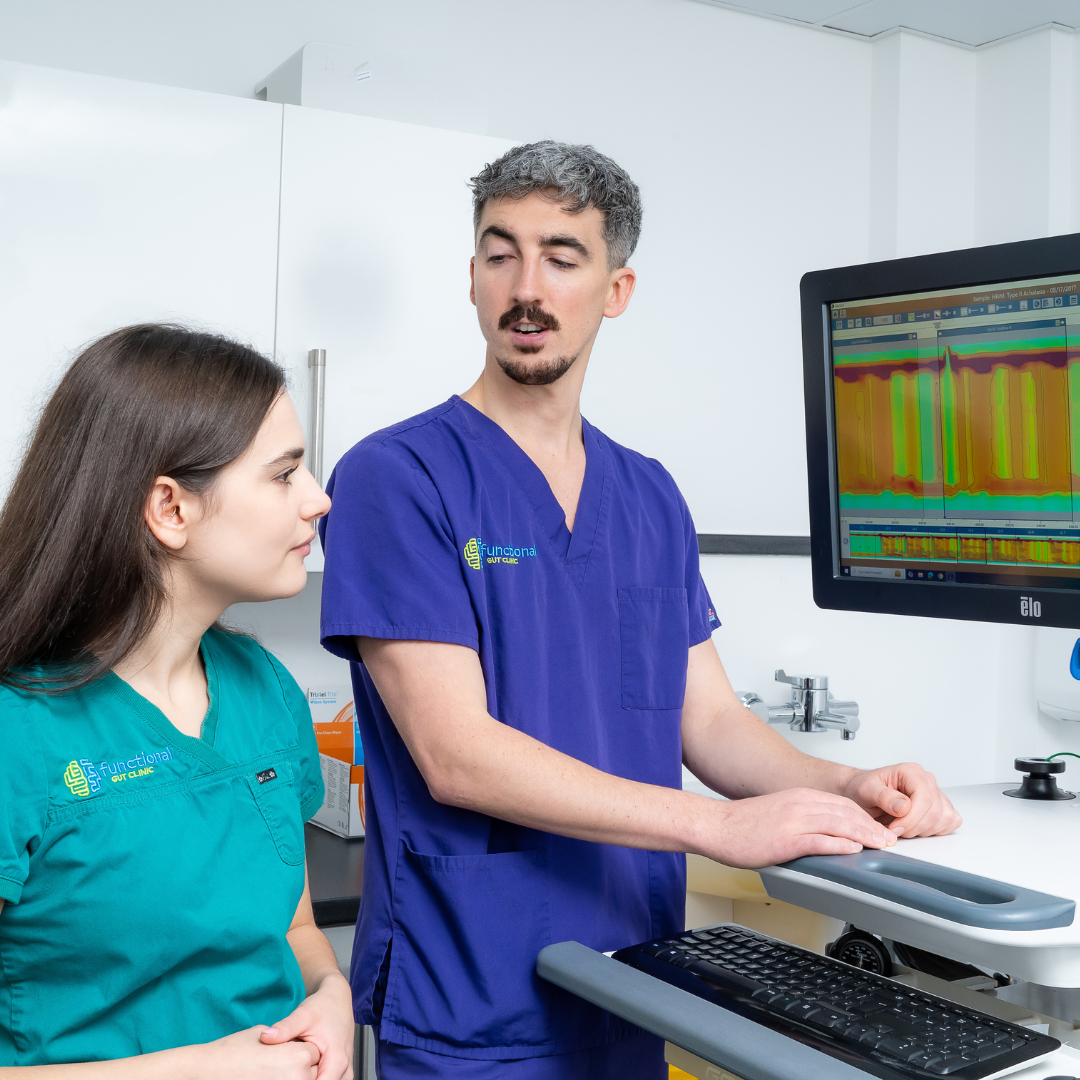
IBS Subtypes: IBS-C, IBS-D, IBS-M and IBS-U
IBS isn't a single condition. It's classified into four subtypes based on which bowel pattern is dominant, defined by the Rome IV diagnostic criteria. Identifying your subtype matters because treatment varies significantly between them.
IBS-C (constipation-predominant): hard or lumpy stools more than 25% of the time, loose stools less than 25% of the time
IBS-D (diarrhoea-predominant): loose or watery stools more than 25% of the time, hard stools less than 25% of the time
IBS-M (mixed): both hard and loose stools more than 25% of the time, alternating between the two
IBS-U (unclassified): symptoms meet the IBS criteria but don't fit a specific pattern
Subtypes can shift over time. You might be diagnosed with IBS-M initially and later move to IBS-D as symptoms evolve. Tracking your bowel habits using the Bristol Stool Chart helps clarify your subtype and informs treatment choices.
Diagnosing IBS
IBS is a clinical diagnosis based on symptoms, history, and the exclusion of other conditions. There's no single test that confirms IBS, but accurate testing rules out conditions that mimic it, such as inflammatory bowel disease (IBD), coeliac disease, SIBO, or food intolerances.
Why testing matters:
Clarity: confirms IBS and rules out conditions with overlapping symptoms
Targeted treatment: identifies your specific triggers (lactose, fructose, SIBO) for a personalised plan
Targeted treatment: identifies your specific triggers (lactose, fructose, SIBO) for a personalised plan
The Rome IV criteria are the diagnostic standard for IBS. To meet them, you need recurrent abdominal pain on average at least one day a week over the last three months, associated with at least two of: defaecation, a change in stool frequency, or a change in stool form. Symptoms should have started at least six months before diagnosis.
Tests we provide at The Functional Gut Clinic:
IBS symptoms vary from person to person and often change over time. The most common include:
SIBO breath test: (links to https://thefunctionalgutclinic.com/sibo-breath-test)
to detect bacterial overgrowth in the small intestine (a common driver of IBS-D symptoms)
Lactose intolerance breath test: (links to https://thefunctionalgutclinic.com/lactose-intolerance-breath-test)
to confirm or rule out lactose malabsorption
Fructose intolerance breath test: (links to https://thefunctionalgutclinic.com/fructose-intolerance-breath-test)
to identify fructose malabsorption as a trigger
Hydrogen sulphide breath test: (links to https://thefunctionalgutclinic.com/hydrogen-sulphide-breath-test)
for a specific type of bacterial overgrowth linked to diarrhoea and pain
Stool microbiome analysis: (links to https://thefunctionalgutclinic.com/stool-microbiome-test)
to assess the gut bacterial composition
Whole-gut transit study: (links to https://thefunctionalgutclinic.com/colonic-transit-study)
particularly relevant for IBS-C
Anorectal manometry: (links to https://thefunctionalgutclinic.com/anorectal-manometry-testing)
for IBS-C with suspected pelvic floor involvement
Tests your GP or consultant may arrange separately:
Some of the tests used in the IBS diagnostic process are arranged through your GP or consultant rather than The Functional Gut Clinic. These typically include:
Blood tests: coeliac screen, full blood count, inflammatory markers (CRP, ESR)
to detect bacterial overgrowth in the small intestine (a common driver of IBS-D symptoms)
Stool calprotectin: to rule out inflammatory bowel disease
Colonoscopy or sigmoidoscopy: if your symptoms are severe or unusual, to rule out IBD, colorectal cancer, or microscopic colitis
Imaging: a CT scan, MRI, or abdominal ultrasound where structural causes need to be investigated
Your IBS journey with The Functional Gut Clinic
The Functional Gut Clinic is a specialist diagnostic testing centre. We perform the tests that help your GP or consultant identify or rule out the causes of your IBS-like symptoms. We do not diagnose IBS, and we do not prescribe medications. The diagnosis itself is made by your GP or consultant, based on your symptoms and the results of any tests that rule out other conditions.
Most patients come to us in one of two ways.
If your doctor or consultant refers you:
Your doctor or consultant refers you to FGC for a specific test, often a SIBO breath test.
We perform the test at one of our clinics or, where suitable, send you an at-home test kit.
We send the results to you and to your doctor or consultant.
You have an appointment with your doctor or consultant to discuss your results and decide on treatment or further investigation.
If you self-refer:
You contact us directly to arrange a test, either because you already know which test you need, or because one of our clinicians has recommended one based on your symptoms.
We perform the test.
We send the results to you.
We can recommend a consultant who specialises in your symptoms, or send you an information pack with dietary and lifestyle guidance.
Understanding your results:
Breath test results (SIBO, lactose intolerance, fructose intolerance, hydrogen sulphide) are straightforward: each is reported as a positive or negative result. Stool microbiome reports are more detailed, and we recommend discussing them with a consultant who can put the findings into the context of your symptoms.
For medications, you will need to work with a GP or consultant, as we are not able to prescribe. We do offer some therapy-based interventions, listed in our Treatment Options below.
Triggers for IBS
IBS symptoms are often made worse by specific foods, drinks, or lifestyle factors. Triggers are highly individual, but the most common ones fall into these categories.
Common food triggers:
High-FODMAP foods: onions, garlic, wheat, certain fruits (apples, pears, mangoes), pulses (chickpeas, lentils), and some dairy
Dairy in lactose-intolerant individuals
Caffeine and alcohol
Spicy, fatty, or fried foods
A feeling of incomplete bowel emptying
Artificial sweeteners (sorbitol, mannitol, xylitol)
Large meals or eating too quickly
Lifestyle and other triggers:
High-FODMAP foods: onions, garlic, wheat, certain fruits (apples, pears, mangoes), pulses (chickpeas, lentils), and some dairy
Dairy in lactose-intolerant individuals
Caffeine and alcohol
Spicy, fatty, or fried foods
A feeling of incomplete bowel emptying
Artificial sweeteners (sorbitol, mannitol, xylitol)
Large meals or eating too quickly
A food and symptom diary kept over 2 to 4 weeks is one of the most useful tools for identifying your personal triggers. Working with a registered dietitian, particularly one experienced in the low-FODMAP diet, can dramatically improve outcomes.
Treatment Options for IBS
Medications for IBS are prescribed by your GP or consultant. The Functional Gut Clinic does not prescribe medications, but does offer some of the therapy-based interventions listed below, including CBT and gut-focused hypnotherapy, pelvic floor physiotherapy, and lower GI biofeedback.
There's no single cure for IBS, but most people achieve good symptom control through a combination of dietary changes, medication, and behavioural therapies.
Dietary approaches:
The low-FODMAP diet: a structured three-phase elimination and reintroduction protocol that improves symptoms in around 70% of IBS patients
Soluble fibre supplementation (e.g., ispaghula husk) for IBS-C
Smaller, more frequent meals
Adequate hydration
Medications:
Antispasmodics (e.g., mebeverine, peppermint oil capsules) for abdominal cramping
Laxatives (osmotic, such as macrogol) for IBS-C
Anti-diarrhoeal medication (e.g., loperamide) for IBS-D
Low-dose tricyclic antidepressants for chronic pain and gut sensitivity
Rifaximin an antibiotic sometimes used for IBS-D, particularly where SIBO is involved. Its licensing status for IBS in the UK should be confirmed by the prescribing clinician, as it is often used off-label.
Psychological and behavioural therapies:
CBT and gut-focused hypnotherapy: (links to https://thefunctionalgutclinic.com/cbt-gut-focused-hypnotherapy)
recommended by NICE for people whose IBS symptoms have not responded to other treatments. Both have a strong evidence base, particularly for pain and the impact of symptoms on daily life
Mindfulness and stress management
Other interventions:
Pelvic floor physiotherapy: (links to https://thefunctionalgutclinic.com/pelvic-floor-physiotherapy)
useful for IBS-C with pelvic floor dysfunction
Lower GI biofeedback: (links to https://thefunctionalgutclinic.com/biofeedback)
for evacuation difficulties
The right combination depends on your subtype, triggers, and how your symptoms affect your daily life. A specialist consultation helps prioritise the most effective options for you.
Does The Functional Gut Clinic diagnose IBS?
No. The Functional Gut Clinic is a specialist diagnostic testing centre. We perform the tests that help your GP or consultant rule out other causes of your symptoms, so they can confirm an IBS diagnosis with confidence. The diagnosis itself is made by your GP or consultant.
Can I be tested at FGC without a referral?
Yes. Most of our breath tests and our stool microbiome analysis can be self-referred, meaning you don't need a doctor's referral to book one. After your test, we will send you your results, and we can recommend a consultant who specialises in your symptoms. For any treatment, including medications, you will need to work with a GP or consultant, as we do not provide prescriptions.
Can IBS be cured?
There's no permanent cure for IBS, but most people achieve good long-term symptom control with the right combination of diet, medication, and behavioural therapies.
Can IBS lead to cancer or other serious conditions?
No. IBS doesn't damage the bowel or increase the risk of bowel cancer, inflammatory bowel disease, or other serious conditions. However, symptoms can overlap with these conditions, which is why a proper diagnosis is important.
Is IBS the same as IBD?
No. IBS (irritable bowel syndrome) is a functional disorder with no visible inflammation. IBD (inflammatory bowel disease, which includes Crohn's disease and ulcerative colitis) causes physical inflammation and damage to the bowel. (Internal link: link 'IBS vs IBD article' to https://thefunctionalgutclinic.com/post/ibs-vs-ibd.)
How is IBS diagnosed in the UK?
IBS is diagnosed by your GP or consultant using the Rome IV criteria, combined with tests to rule out other conditions. Your GP will usually arrange blood tests, a stool calprotectin, and a coeliac screen. Specialist clinics such as The Functional Gut Clinic can provide breath tests for SIBO and food intolerances, as well as stool microbiome analysis, which are not routinely available on the NHS. The Functional Gut Clinic performs the tests; the diagnosis itself is made by your GP or consultant, based on the results.
Is the low-FODMAP diet safe long-term?
The low-FODMAP diet isn't designed for long-term use. It's a three-phase protocol: strict elimination (2 to 6 weeks), structured reintroduction, and personalisation. Long-term restriction can harm the gut microbiome, so working with a registered dietitian is strongly recommended.
Can stress cause IBS?
Stress doesn't cause IBS on its own, but it can significantly trigger and worsen symptoms through the gut-brain axis. Managing stress is a core part of IBS treatment for most people.
Does IBS affect women differently?
Yes. IBS is roughly twice as common in women, symptoms often worsen around menstruation, and IBS-C is more common in women while IBS-D is more common in men.
Can SIBO be mistaken for IBS?
Yes. Research suggests that a significant proportion of people diagnosed with IBS may actually have small intestinal bacterial overgrowth (SIBO), which is treatable. (Internal link: link 'SIBO breath test' to https://thefunctionalgutclinic.com/sibo-breath-test.)
Learn more about IBS
Bile Acid Diarrhoea or IBS-D? Why Some Diarrhoea Isn't IBS
Learn how bile acid diarrhoea can mimic IBS-D, the symptoms to watch for, how a SeHCAT test works, and when persistent diarrhoea should be investigated. ...more
IBS
October 18, 2026•4 min read
IBS Medication UK: What Your GP Can Prescribe
Explore IBS medication available in the UK, including mebeverine, Buscopan, loperamide, laxatives, and amitriptyline, and learn how each works. ...more
IBS
October 16, 2026•4 min read
How Long Does an IBS Flare-Up Last?
How long do IBS flare-ups last? Learn how long symptoms may continue, why some flares linger, and when a prolonged flare needs investigating. ...more
IBS
September 30, 2026•4 min read
Bile Acid Diarrhoea or IBS-D? Why Some Diarrhoea Isn't IBS
Learn how bile acid diarrhoea can mimic IBS-D, the symptoms to watch for, how a SeHCAT test works, and when persistent diarrhoea should be investigated. ...more
IBS
October 18, 2026•4 min read
IBS Medication UK: What Your GP Can Prescribe
Explore IBS medication available in the UK, including mebeverine, Buscopan, loperamide, laxatives, and amitriptyline, and learn how each works. ...more
IBS
October 16, 2026•4 min read
How Long Does an IBS Flare-Up Last?
How long do IBS flare-ups last? Learn how long symptoms may continue, why some flares linger, and when a prolonged flare needs investigating. ...more
IBS
September 30, 2026•4 min read
Hear from people we’ve helped, just like you.
"Very professional while welcoming and friendly"
"The manner and demeanour of all staff from reception to people carrying out the test was very professional but welcoming and friendly. Atmosphere is very relaxed and all instructions clear and concise."
London Patient

"Highly recommend this"
"Thanks to Dr Hobson and everyone at the Functional Gut Clinic. The whole team is very kind and generous and they are doing things that are cutting edge and they actually get results."
Manchester Patient
"Highly recommend this"
"After stopping my lansoprazole, every time I had a warm drink, I could feel it burn all the way down to my stomach. Thank you to Sam for making me feel at ease." - Manchester Patient
"My experience could not be better"
"Pleasant and knowledgeable staff that made the experience more enjoyable than it should be!" - London Patient
"Very friendly and knowledgeable"
"An excellent service from beginning to end. I would recommend to anyone who was considering having testing done. Very friendly and knowledgeable!" - Manchester Patient
"Very kind and helpful"
"It was also great to have time to talk to the clinicians – very important when you have problems. Reception staff also very kind and helpful." - Manchester Patient
Are you experiencing any other symptoms
Symptoms are often closely connected. Find out more below.
Reflux

Burning mid-chest, worse when bending or lying down
Bloating

Feeling uncomfortably full and tight, excess belching/breaking wind, abdominal pain or gurgling
Heartburn
A burning pain in your chest, just behind your breastbone.
The pain is often worse after eating...
Constipation

Difficulty going to the toilet, unusual stools, often with stomach ache or intestinal cramps, bloating, nausea or appetite loss
Regurgitation
Bringing food or drink back up, difficulty swallowing, feeling that food or drink is stuck in your throat, horrible taste in your mouth
Swallowing Issues

Dysphagia - difficulty swallowing, feeling that food or drink is stuck in your throat, horrible taste in your mouth
Diarrhoea
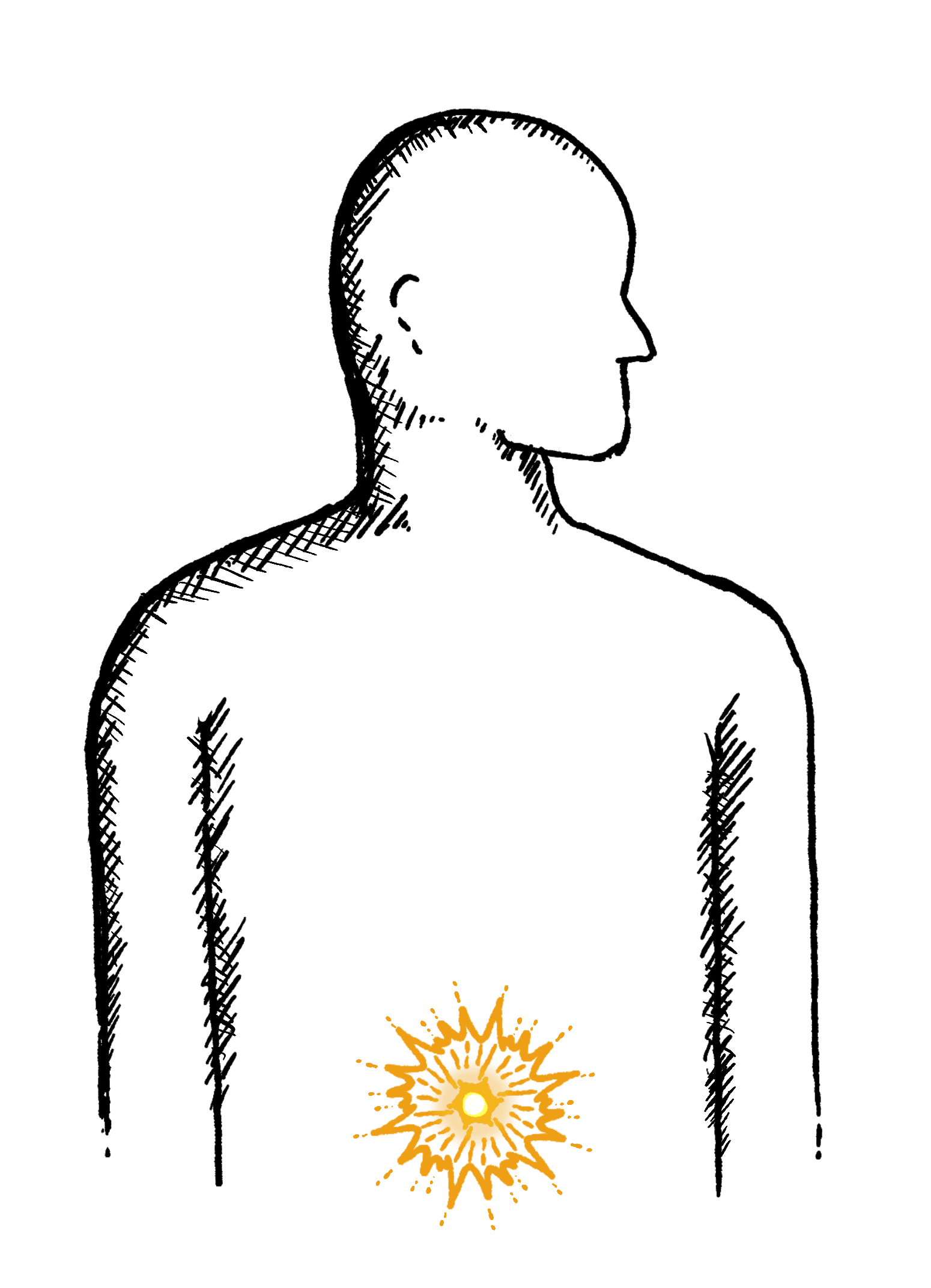
Loose or explosive stools, can’t get to a toilet in time
Abdominal Pain

Cramps; sharp or dull pain, Bloating, Excessive belching, Nausea or vomiting
Faecal Incontinence
Stools leak unexpectedly, Can’t get to a toilet in time
HEALTH ASSESSMENT
WHO WE ARE
HOW WE HELP YOU
LEARN
SUPPORT
FOLLOW US
© Copyright The Functional Gut Group 2026