
Bloating
Struggling with bloating? Here’s what you need to know to find relief.
ALL TEST ARE ACCREDITED & REGULATED BY



What is bloating?
When you’re bloated, your stomach or abdomen can feel full and uncomfortable, or even painful.
This bloating happens when your gastrointestinal tract contains too much gas or air. Bloating can be mild, or more severe, and may present as:
– A visibly distended or swollen abdomen
– Feeling very full and uncomfortable
– Feeling of tightness in the abdomen
– Excess gas – belching and/or flatulence
– Rumbling or gurgling
There are several causes of bloating, so it’s important to diagnose the cause of your bloating and find out why it’s happening to you.

Why does bloating happen?
Prolonged periods of bloating could indicate an underlying health problem, if so you should see your GP.
Possible causes can include:
Irritable bowel syndrome (IBS diagnosis)
Ulcerative colitis, a form of inflammatory bowel disease (IBD), where the inner lining of the large bowel is inflamed and develops ulcers
Crohn’s disease, the other form of IBD, where some parts of your colon are inflamed
Too much bacteria in your small intestine (called small intestinal bacterial overgrowth, or SIBO)
Gastroesophageal reflux disease
Food intolerances, especially lactose or fructose intolerance
Producing too much gas (dysbiosis and fermentation)
Weight gain
Stress or anxiety
Delays in your food and drink moving on from your stomach (called gastroparesis)
Eating too quickly, so that you swallow too much air (called aerophagia)

Diagnosing bloating
Feeling bloated is no fun, but once you know what’s going on you can start to manage your symptoms and the underlying causes.
Testing options:
At the Functional Gut Clinic, we can run the following tests to diagnose the causes of bloating:
Gastric emptying test– which measures how quickly food leaves your stomach
Carbohydrate malabsorption breath test– which finds out if you have certain food intolerances (lactose or fructose)
Small intestinal bacterial overgrowth (SIBO) breath test– which finds out if you have an overgrowth of bacteria in your small intestine (called SIBO)
Oesophageal manometry– which measures the function of your oesophagus (food pipe)
24-hour pH impedance monitoring– which looks at whether you have any reflux
Colonic transit study-a non-invasive test which looks at how long it takes for faeces to pass through your bowl
Learn more about bloating
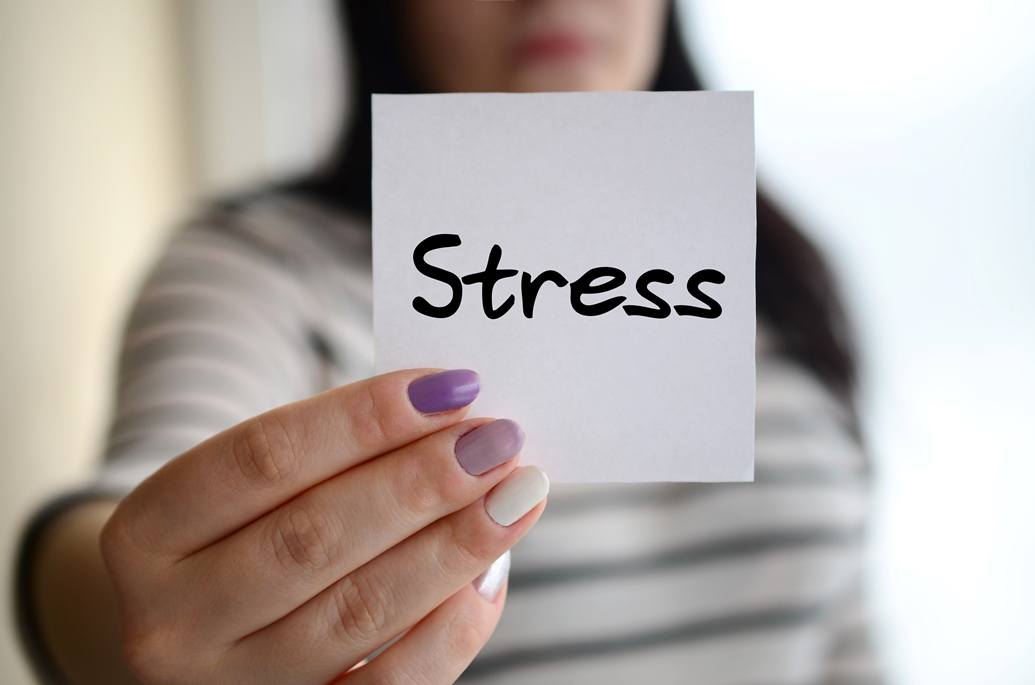
How Stress Damages Your Gut Microbiome
Ever noticed that when you’re stressed, your stomach just doesn’t feel the same? Loose stools, bloating, and constipation. It’s not always just IBS. Stress harms your gut microbiome, affecting your normal bowel function.
Your gut microbiome is a community of trillions of microorganisms living in your gut. It contains bacteria, viruses, fungi, and much more. They aren’t harmful. They’re responsible for gut function, protecting your gut lining, regulating blood sugar levels, and even altering your mood.
Stress isn’t just in your head. It’s a whole-body experience. The gut is one of the most stress-sensitive organs in your body. That’s why you notice the symptoms so acutely. But how does it actually affect your gut bacteria? Let’s take a closer look.
Not sure if you’ve got an imbalanced gut microbiome? The Functional Gut Clinic offers personalised gut testing to help you understand your microbiome.
What Stress Actually Does to Your Gut
Stress occurs whenever your body triggers the fight-or-flight response. It could be a tiger hiding in the bushes, or, more likely, an upcoming deadline or relationship problem.
Some stress is good. It focuses your mind on the problem at hand. It does this by spiking cortisol levels, activating the sympathetic nervous system, and redirecting blood to the appropriate areas (and away from digestion).
The problem comes with repeated stress. High cortisol levels and low blood flow can combine and dysregulate the gut microbiome. Known as gut dysbiosis, it can trigger a cascade of inflammation, leaky gut, and less support from the gut bacteria.
Stress and Gut Bacteria: What Changes?
Your gut microbiome is determined by the surrounding environment. Just as a polar bear can’t survive in the desert, your gut bacteria require a specific ecosystem.
Prolonged stress reduces digestive secretions (think dry mouth), slows gut motility, and alters the overall pH (or acidity) of your gut. Together, these changes influence which species thrive and which struggle.
Usually, this means beneficial species diminish, lower overall microbial diversity, and open the door to opportunistic bacteria. That’s why you suddenly notice bloating, discomfort, and irregular bowel habits whenever things get heated at work.
Stress, Gut Barrier Damage, and Inflammation
Heard of cortisol and adrenaline? They’re the stress hormones. Whenever you experience any form of stress, these hormones are released to prepare you to react (to fight or flight). Chronic stress elevates these levels persistently, directly weakening the gut’s protective lining.
Stress hormones weaken the gut barrier: When cortisol and adrenaline stay elevated for too long, they can loosen the tight junctions that hold the gut lining together.
Things start leaking through: As the barrier becomes less effective, substances that normally stay inside the gut can slip into the bloodstream.
Inflammation follows: Bacterial by-products like lipopolysaccharides (LPS) can trigger low-grade inflammation, which over time may contribute to digestive discomfort, fatigue, and broader health issues.
The Gut-Brain Axis: A Two-Way Conversation
So far, we’ve talked about the effect of your brain on your gut. But this is a conversation, not a monologue. Just as stress disrupts gut health, the state of your gut microbiome also influences how your body responds to stress.
For example, a healthy community of gut bacteria buffers against stress. It interacts with the nervous system, influencing neurotransmitter production and inflammatory signalling. This can dampen the stress response.
It might sound a little like the bugs are taking over. But it’s how we evolved over millions of years. They’re as much a part of us as we are of them. When we’re less stressed, the beneficial gut bacteria survive better, and when they survive better, we’re less stressed. A classic feedback loop.
How Lifestyle Changes Can Reduce Stress
Think about managing stress. Meditation, breathing techniques, and a week beside the beach could help us all reduce our stress levels. But there’s more to stress reduction.
Eat a diet rich in fibre and gut-friendly foods. Supporting your gut bacteria may help lower stress levels. Fermented foods, lots of different plants, and less ultra-processed foods can work wonders.
Get enough sleep. Poor sleep harms your gut bacteria just as much as it spikes your cortisol levels. Aim for a solid eight hours every night.
Exercise regularly. Getting enough exercise can lower your cortisol levels and increase endorphins, providing a healthy outlet for stress-related energy.
Practice stress management strategies. Ideally, this should be something you enjoy. Listening to ASMR. Reading a good book. Practicing yoga. Whatever you prefer.
When Stress Is Affecting Your Gut, It’s Time to Investigate
If stress is showing up as digestive symptoms, it may be a sign that your gut microbiome is under strain. While lifestyle changes offer some help, they don’t always address what’s happening beneath the surface.
Personalised gut microbiome testing at The Functional Gut Clinic identifies imbalances linked to stress, inflammation, and gut barrier disruption. You’ll receive a personalised treatment plan based on your results to help your gut recover.
Read the next related article: How Alcohol Affects Your Gut Microbiome

Hear from people we’ve helped, just like you.
"Very professional while welcoming and friendly"
"The manner and demeanour of all staff from reception to people carrying out the test was very professional but welcoming and friendly. Atmosphere is very relaxed and all instructions clear and concise."
London Patient

"Highly recommend this"
"Thanks to Dr Hobson and everyone at the Functional Gut Clinic. The whole team is very kind and generous and they are doing things that are cutting edge and they actually get results."
Manchester Patient
"Highly recommend this"
"After stopping my lansoprazole, every time I had a warm drink, I could feel it burn all the way down to my stomach. Thank you to Sam for making me feel at ease." - Manchester Patient
"My experience could not be better"
"Pleasant and knowledgeable staff that made the experience more enjoyable than it should be!" - London Patient
"Very friendly and knowledgeable"
"An excellent service from beginning to end. I would recommend to anyone who was considering having testing done. Very friendly and knowledgeable!" - Manchester Patient
"Very kind and helpful"
"It was also great to have time to talk to the clinicians – very important when you have problems. Reception staff also very kind and helpful." - Manchester Patient
Are you experiencing any other symptoms
Symptoms are often closely connected. Find out more below.
Reflux

Burning mid-chest, worse when bending or lying down
Constipation

Difficulty going to the toilet, unusual stools, often with stomach ache or intestinal cramps, bloating, nausea or appetite loss
Heartburn
A burning pain in your chest, just behind your breastbone.
The pain is often worse after eating...
Regurgitation
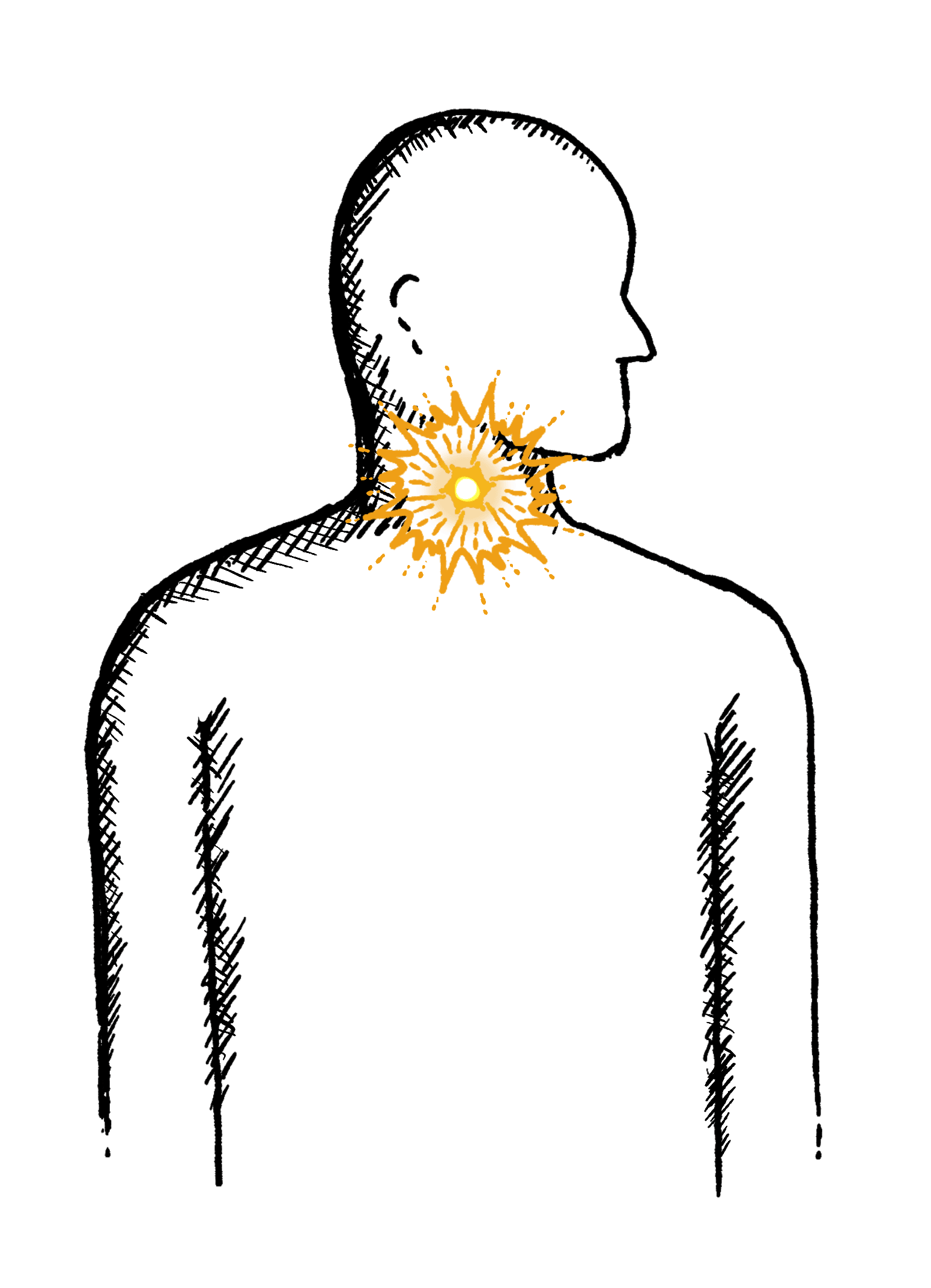
Bringing food or drink back up, difficulty swallowing, feeling that food or drink is stuck in your throat, horrible taste in your mouth
Swallowing Issues
Dysphagia - difficulty swallowing, feeling that food or drink is stuck in your throat, horrible taste in your mouth
Diarrhoea
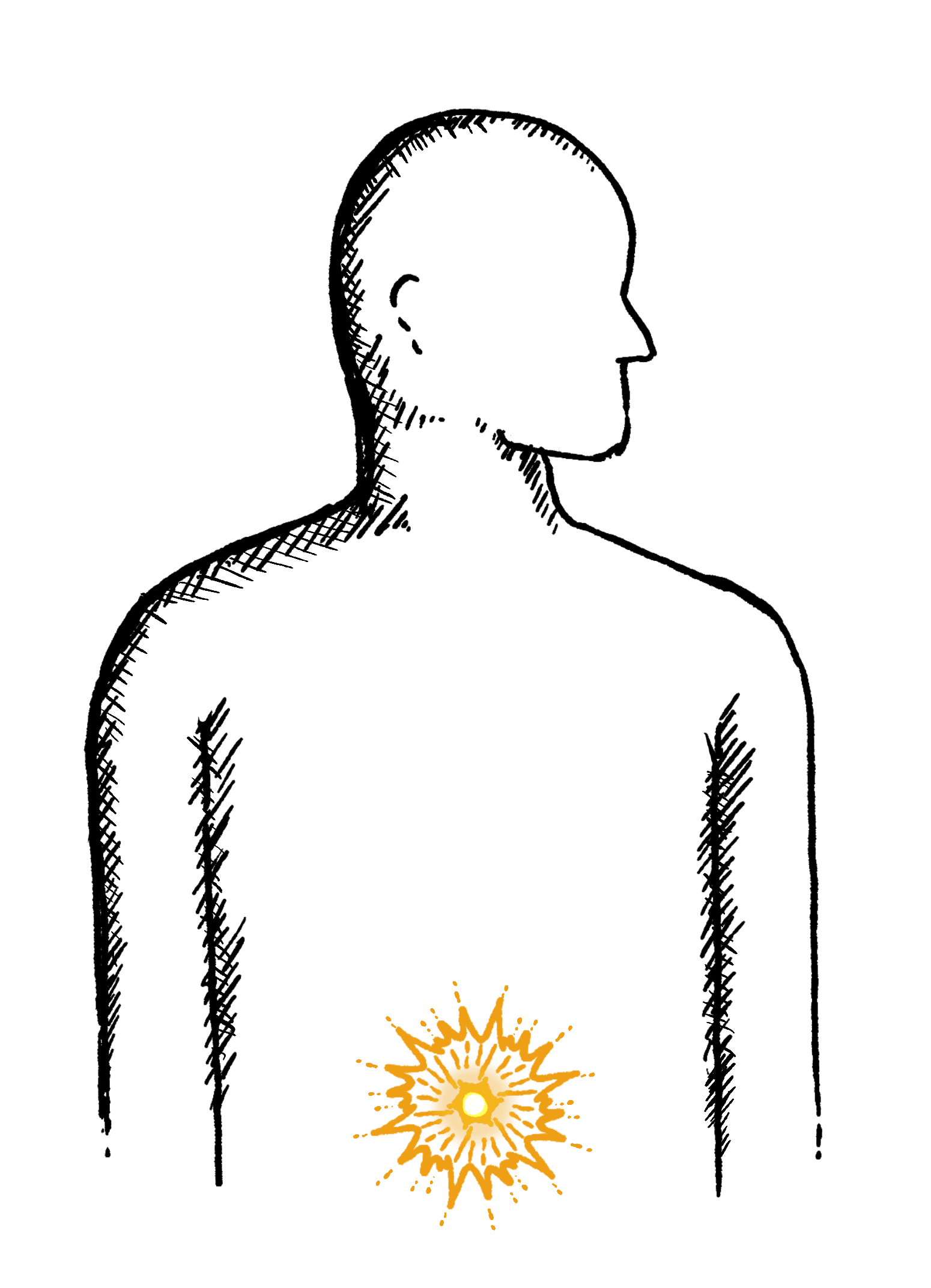
Loose or explosive stools, can’t get to a toilet in time
Abdominal Pain

Cramps; sharp or dull pain, Bloating, Excessive belching, Nausea or vomiting
Faecal Incontinence
Stools leak unexpectedly, Can’t get to a toilet in time
IBS
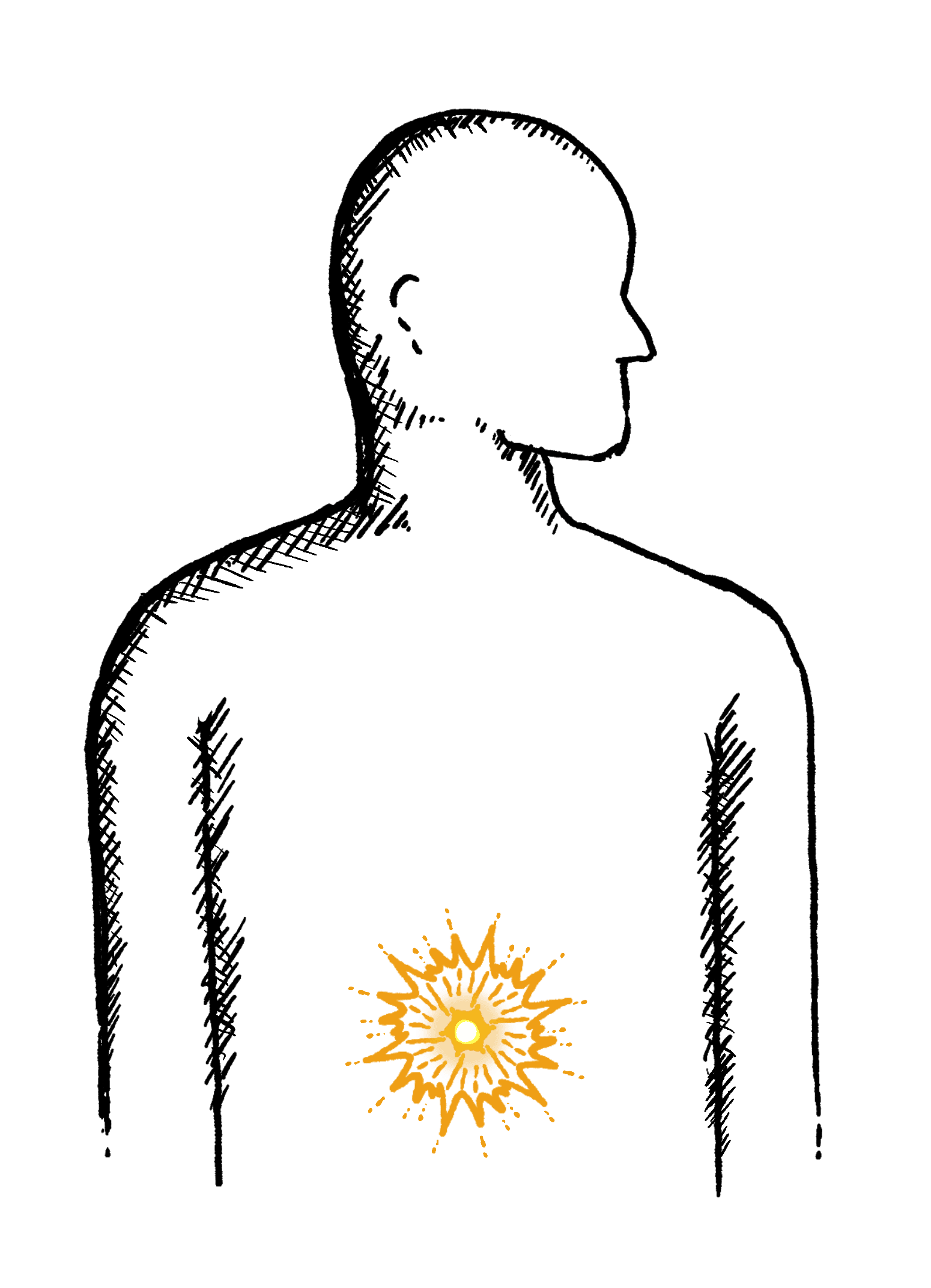
Abdominal pain or cramping, bloating, changes in bowel habits and urgency, gas
HEALTH ASSESSMENT
WHO WE ARE
HOW WE HELP YOU
LEARN
SUPPORT
FOLLOW US
© Copyright The Functional Gut Group 2026