
Bloating
Struggling with bloating? Here’s what you need to know to find relief.
ALL TEST ARE ACCREDITED & REGULATED BY



What is bloating?
When you’re bloated, your stomach or abdomen can feel full and uncomfortable, or even painful.
This bloating happens when your gastrointestinal tract contains too much gas or air. Bloating can be mild, or more severe, and may present as:
– A visibly distended or swollen abdomen
– Feeling very full and uncomfortable
– Feeling of tightness in the abdomen
– Excess gas – belching and/or flatulence
– Rumbling or gurgling
There are several causes of bloating, so it’s important to diagnose the cause of your bloating and find out why it’s happening to you.

Why does bloating happen?
Prolonged periods of bloating could indicate an underlying health problem, if so you should see your GP.
Possible causes can include:
Irritable bowel syndrome (IBS diagnosis)
Ulcerative colitis, a form of inflammatory bowel disease (IBD), where the inner lining of the large bowel is inflamed and develops ulcers
Crohn’s disease, the other form of IBD, where some parts of your colon are inflamed
Too much bacteria in your small intestine (called small intestinal bacterial overgrowth, or SIBO)
Gastroesophageal reflux disease
Food intolerances, especially lactose or fructose intolerance
Producing too much gas (dysbiosis and fermentation)
Weight gain
Stress or anxiety
Delays in your food and drink moving on from your stomach (called gastroparesis)
Eating too quickly, so that you swallow too much air (called aerophagia)
Diagnosing bloating
Feeling bloated is no fun, but once you know what’s going on you can start to manage your symptoms and the underlying causes.
Testing options:
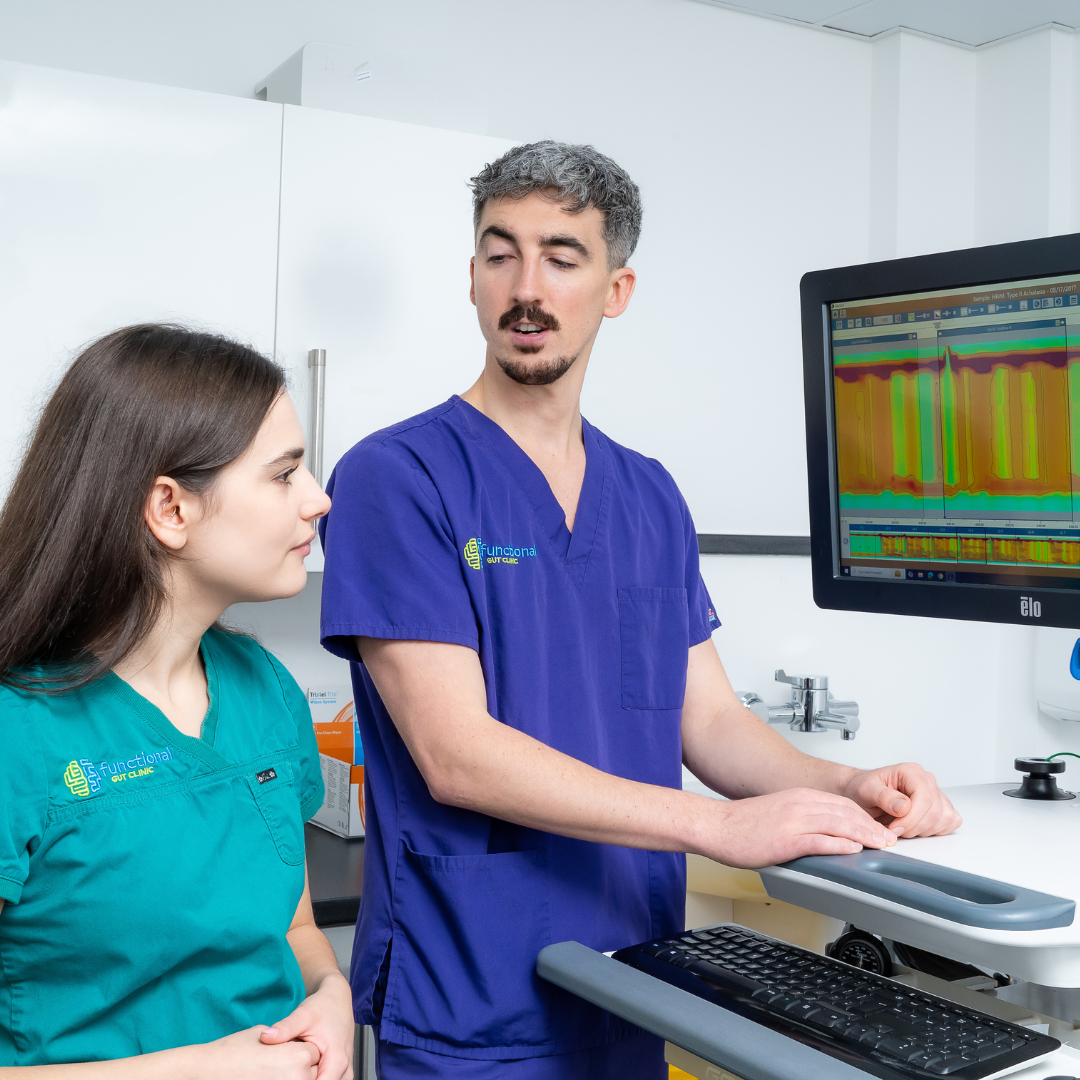
At the Functional Gut Clinic, we can run the following tests to diagnose the causes of bloating:
Gastric emptying test– which measures how quickly food leaves your stomach
Carbohydrate malabsorption breath test– which finds out if you have certain food intolerances (lactose or fructose)
Small intestinal bacterial overgrowth (SIBO) breath test– which finds out if you have an overgrowth of bacteria in your small intestine (called SIBO)
Oesophageal manometry– which measures the function of your oesophagus (food pipe)
24-hour pH impedance monitoring– which looks at whether you have any reflux
Colonic transit study-a non-invasive test which looks at how long it takes for faeces to pass through your bowl
Learn more about bloating

Tips to Ease Exercise Heartburn: How to Work Out Without Reflux
Hitting the gym, pounding the pavement, or enjoying a bit of yoga should leave you feeling better than you started. You’re looking after your body. It feels almost unfair when you’re hit with a sudden case of heartburn after you’ve finished.
But exercise-related heartburn isn’t uncommon. If you’ve ever noticed this pattern, it’s real, and it’s something you can fix. Often, it comes down to exercise selection, form, and a few other factors.
Below, we cover everything you need to know about acid reflux from exercise: why it occurs, what to do, and when it might be something more serious.
Why Does Heartburn Strike During a Workout?
We usually blame heartburn on what we eat or lying down too soon after meals. And while fatty or acidic foods are common culprits, they’re far from the whole story.
Exercise can trigger reflux for different reasons. Many workouts involve bending, crunching, or inverted positions. During strength training, for instance, you naturally brace your core, which increases pressure in your abdomen. That pressure can squeeze the stomach and push acid up into the oesophagus.
Running works in a similar way. The repeated jostling and subtle tightening of the abdominal muscles increase internal pressure, making acid backflow more likely.
Hydration matters too. Being even mildly dehydrated can make reflux more noticeable, especially if it slows digestion or irritates the stomach. Certain pre-workout drinks or protein shakes may also stimulate acid production.
Common Workouts That Cause Heartburn
Not all exercises cause heartburn. Light stretching, swimming, or team sports are gentler on the stomach. The most common heartburn-triggering exercises include:
Running and other high-impact cardio, where constant jostling can push acid upward
HIIT workouts, which combine high intensity exercises with lots of bending and bracing
Core-heavy routines, like sit-ups and planks, that tighten the abdominal muscles
Cycling in a hunched position, which compresses the stomach
Yoga poses that fold or invert the body, such as forward bends or downward-facing positions
Pre-Workout Tips to Prevent Exercise Heartburn
The solution to exercise-induced heartburn isn’t less exercise. Instead, it’s about the right preparation.
Always leave plenty of time between eating and exercising. Around 1 ½ hours should be long enough, but if you still notice symptoms, try 2-3 hours. You’ll also want to drink plenty of water during and throughout the exercise.
What you wear matters too. Tight clothes (especially waistbands) add to the pressure in your abdomen. Wear loose-fitting clothing to give your stomach freedom to move.
What to Eat (and Avoid) Before Exercising
If you’re going to eat something before exercising, avoid trigger foods. Avoid anything heavy, fatty, or acidic. It’s best to pick something that’s light, preferably with complex carbs and lean protein.
Oats are a popular choice, as is chicken breast, depending on your objectives. You can pair chicken with rice, broccoli, carrots, or other easy-to-digest foods that aren’t going to trigger reflux.
Limit your intake of spicy meals, citrus, coffee, chocolate, or fizzy drinks.
During-Workout Adjustments That Help
For some people, it’s not what they’re doing but how they’re doing it. Often, they’re grinding through exercises or pushing too hard. The stomach never gets a moment to settle.
A smarter approach is to slow the intensity, swap exercises, and practice breathing techniques that prevent bracing without you realising it.
If you’re running, that could mean switching to an interval model: fast periods and slower periods. Or if you’re lifting weights, alternate between intense and less intense exercises. You’ll also want to consider posture. Avoid bending too much or compressing the stomach.
After-Workout Habits to Reduce Reflux
Give yourself time to reset after your workout.
This could be as simple as a short walk or a gentle stretch. Delay lying flat until you’ve fully settled. Drink plenty of water, but don’t overfill the stomach. Overfilling can have the reverse effect.
It’s sensible to give yourself 30 mins to 1 hour of recovery before you start eating. That’s enough time for your stomach to stop being so reactive.
When Heartburn After Exercise Could Signal Something Else
Heartburn isn’t always exercise. If you start noticing regular symptoms, experience nighttime reflux, or have trouble swallowing, it’s time to speak to a doctor.
Don’t ignore these symptoms, especially if they’re worsening.
The Functional Gut Clinic offers specialist testing and personalised assessment for people struggling with heartburn. We can confirm if you’re experiencing acid reflux and help diagnose the cause. If your symptoms just won’t go away, get in touch with our team. It’s the first step to becoming symptom-free.
You can read the following article: Is Your Chest Pain Really Your Heart? Understanding Non-Cardiac Chest Pain

Hear from people we’ve helped, just like you.
"Very professional while welcoming and friendly"
"The manner and demeanour of all staff from reception to people carrying out the test was very professional but welcoming and friendly. Atmosphere is very relaxed and all instructions clear and concise."
London Patient

"Highly recommend this"
"Thanks to Dr Hobson and everyone at the Functional Gut Clinic. The whole team is very kind and generous and they are doing things that are cutting edge and they actually get results."
Manchester Patient
"Highly recommend this"
"After stopping my lansoprazole, every time I had a warm drink, I could feel it burn all the way down to my stomach. Thank you to Sam for making me feel at ease." - Manchester Patient
"My experience could not be better"
"Pleasant and knowledgeable staff that made the experience more enjoyable than it should be!" - London Patient
"Very friendly and knowledgeable"
"An excellent service from beginning to end. I would recommend to anyone who was considering having testing done. Very friendly and knowledgeable!" - Manchester Patient
"Very kind and helpful"
"It was also great to have time to talk to the clinicians – very important when you have problems. Reception staff also very kind and helpful." - Manchester Patient
Are you experiencing any other symptoms
Symptoms are often closely connected. Find out more below.
Reflux
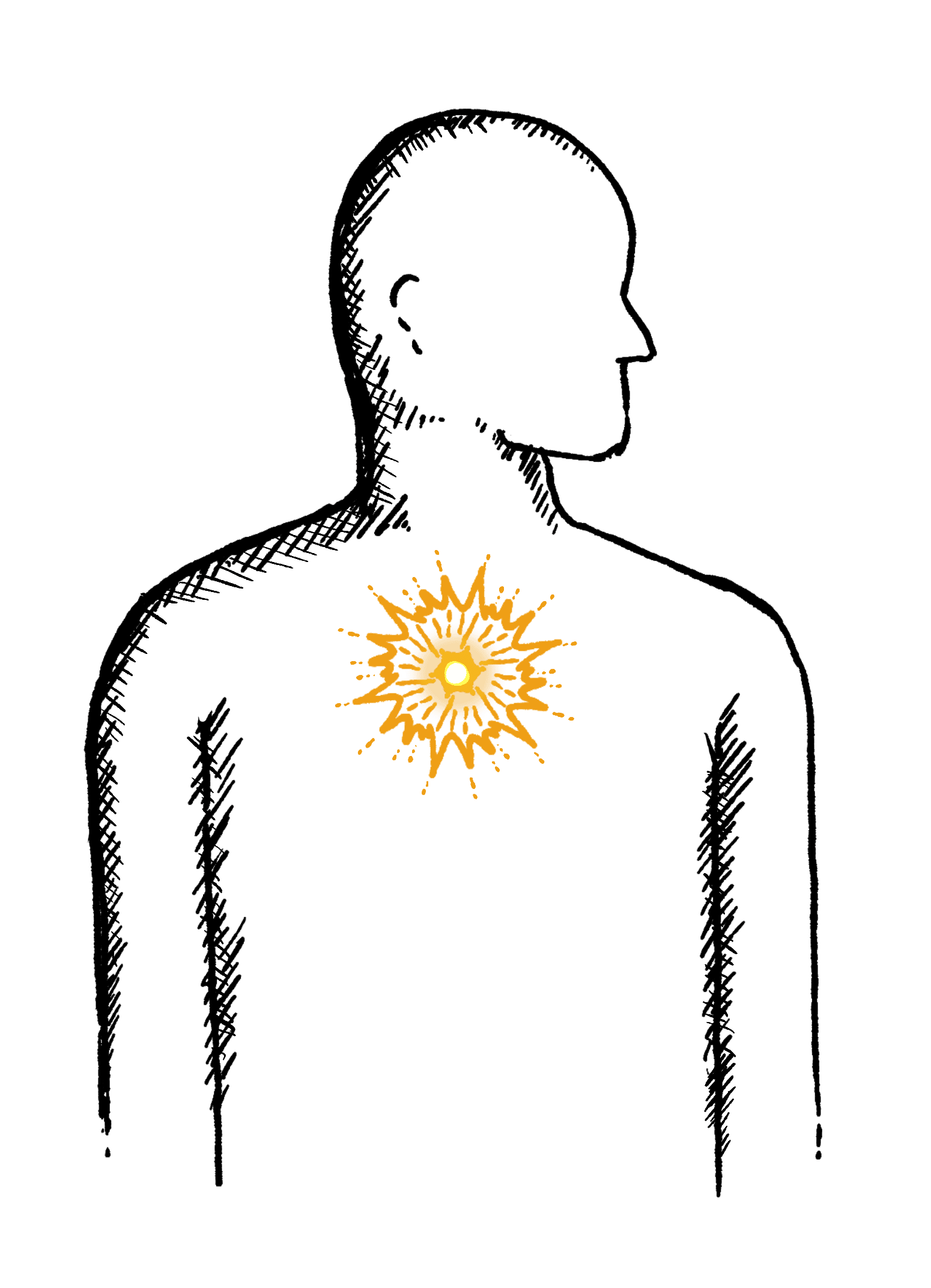
Burning mid-chest, worse when bending or lying down
Constipation
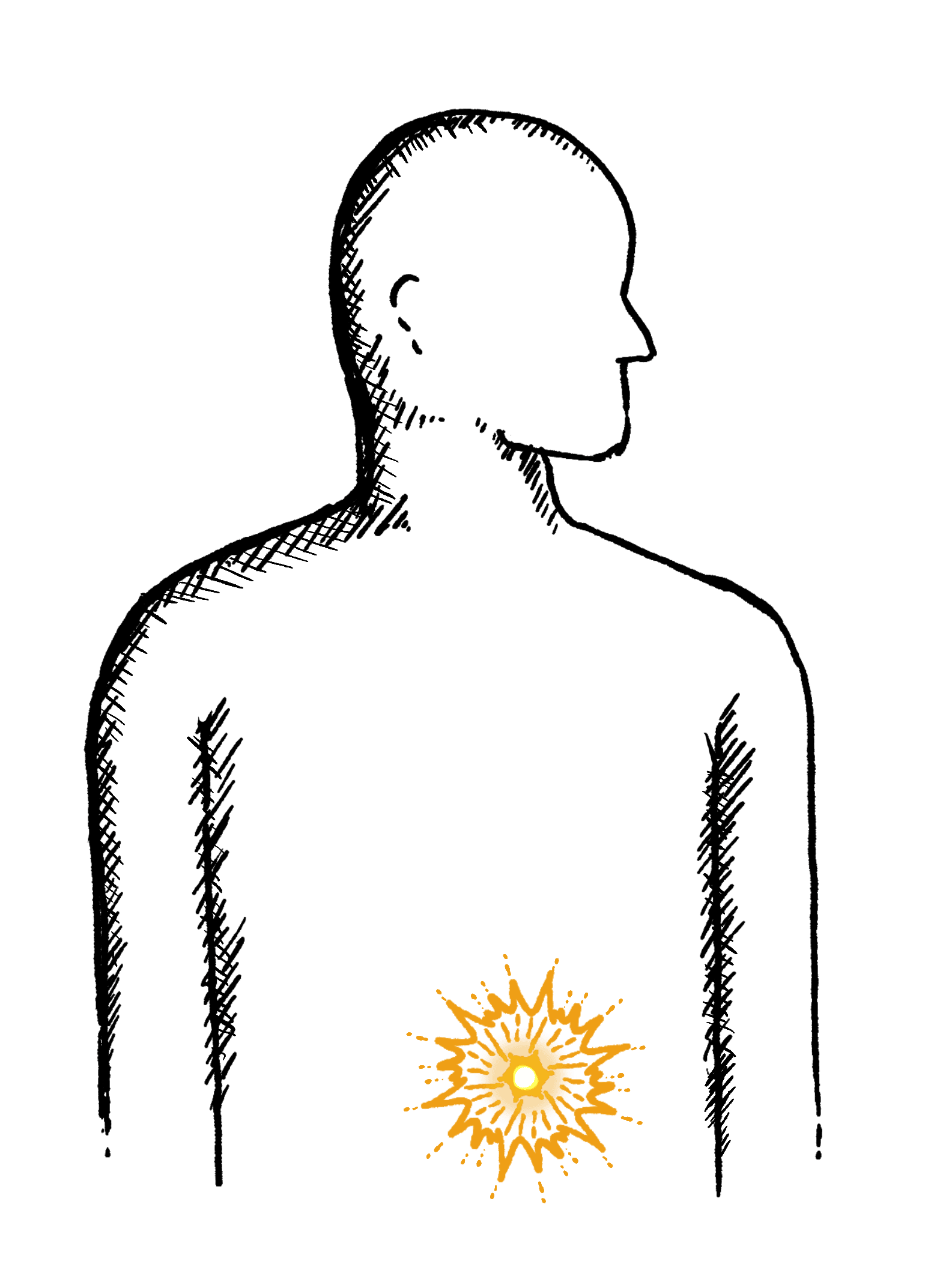
Difficulty going to the toilet, unusual stools, often with stomach ache or intestinal cramps, bloating, nausea or appetite loss
Heartburn
A burning pain in your chest, just behind your breastbone.
The pain is often worse after eating...
Regurgitation
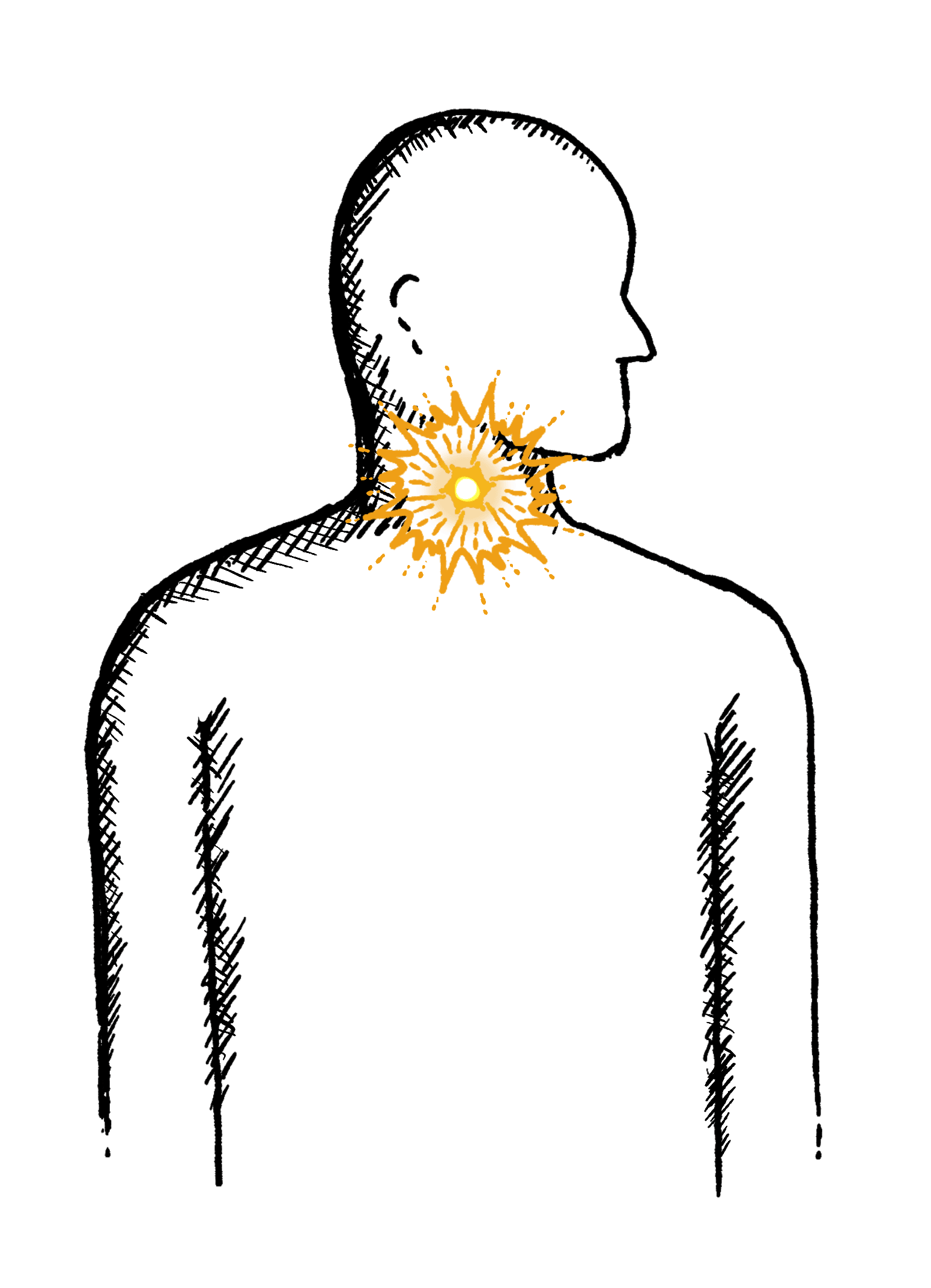
Bringing food or drink back up, difficulty swallowing, feeling that food or drink is stuck in your throat, horrible taste in your mouth
Swallowing Issues
Dysphagia - difficulty swallowing, feeling that food or drink is stuck in your throat, horrible taste in your mouth
Diarrhoea
Loose or explosive stools, can’t get to a toilet in time
Abdominal Pain

Cramps; sharp or dull pain, Bloating, Excessive belching, Nausea or vomiting
Faecal Incontinence
Stools leak unexpectedly, Can’t get to a toilet in time
IBS
Abdominal pain or cramping, bloating, changes in bowel habits and urgency, gas
HEALTH ASSESSMENT
WHO WE ARE
HOW WE HELP YOU
LEARN
SUPPORT
FOLLOW US
© Copyright The Functional Gut Group 2026