
Bloating
Struggling with bloating? Here’s what you need to know to find relief.
ALL TEST ARE ACCREDITED & REGULATED BY



What is bloating?
When you’re bloated, your stomach or abdomen can feel full and uncomfortable, or even painful.
This bloating happens when your gastrointestinal tract contains too much gas or air. Bloating can be mild, or more severe, and may present as:
– A visibly distended or swollen abdomen
– Feeling very full and uncomfortable
– Feeling of tightness in the abdomen
– Excess gas – belching and/or flatulence
– Rumbling or gurgling
There are several causes of bloating, so it’s important to diagnose the cause of your bloating and find out why it’s happening to you.

Why does bloating happen?
Prolonged periods of bloating could indicate an underlying health problem, if so you should see your GP.
Possible causes can include:
Irritable bowel syndrome (IBS diagnosis)
Ulcerative colitis, a form of inflammatory bowel disease (IBD), where the inner lining of the large bowel is inflamed and develops ulcers
Crohn’s disease, the other form of IBD, where some parts of your colon are inflamed
Too much bacteria in your small intestine (called small intestinal bacterial overgrowth, or SIBO)
Gastroesophageal reflux disease
Food intolerances, especially lactose or fructose intolerance
Producing too much gas (dysbiosis and fermentation)
Weight gain
Stress or anxiety
Delays in your food and drink moving on from your stomach (called gastroparesis)
Eating too quickly, so that you swallow too much air (called aerophagia)
Diagnosing bloating
Feeling bloated is no fun, but once you know what’s going on you can start to manage your symptoms and the underlying causes.
Testing options:
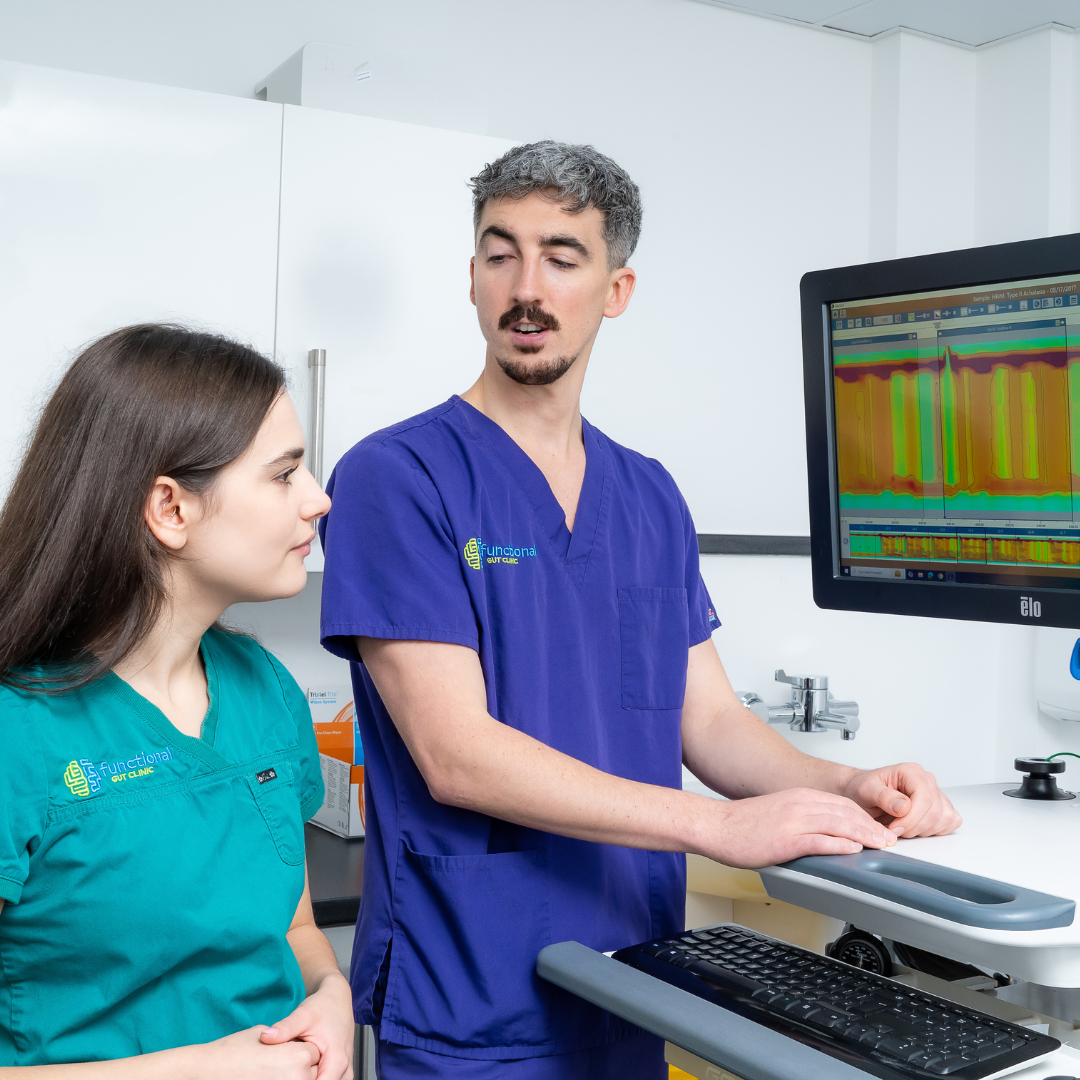
At the Functional Gut Clinic, we can run the following tests to diagnose the causes of bloating:
Gastric emptying test– which measures how quickly food leaves your stomach
Carbohydrate malabsorption breath test– which finds out if you have certain food intolerances (lactose or fructose)
Small intestinal bacterial overgrowth (SIBO) breath test– which finds out if you have an overgrowth of bacteria in your small intestine (called SIBO)
Oesophageal manometry– which measures the function of your oesophagus (food pipe)
24-hour pH impedance monitoring– which looks at whether you have any reflux
Colonic transit study-a non-invasive test which looks at how long it takes for faeces to pass through your bowl
Learn more about bloating
The Gut-Brain Axis: How Your Gut and Brain Communicate
“Gut instinct” isn’t just a random turn of phrase. It hints at the bidirectional connection between the gut and the brain. We often talk about your gut and feelings in the same sense without realising it. If you’re anxious, you might say you’ve got “butterflies in your stomach,” you “go with your gut,” or find a traumatic experience “gut-wrenching.”
The common theme is that they’re borderline instinctual. They communicate core, practical information to your brain. This isn’t just a nice idea, the gut-brain axis is a genuine connection.
But how does the gut affect the brain? What does this relationship look like day to day? And why gut microbiome testing can help support your brain? Find out below.
What Is the Gut-Brain Axis?
The gut-brain axis is a two-way biochemical signalling pathway taking place between the gut and the nervous system. There’s also a third component; the gut microbiome. Information is constantly passed between these two systems, including physical and emotional messages.
In fact, your gut is sometimes known as the ‘second brain.’ It contains more nerve cells than anywhere else in your body outside of your brain.
How the Gut and Brain Communicate
The Vagus Nerve (Direct Line of Communication)
If the gut has an urgent message, it gives your brain a call. The vagus nerve is the main link between the gut nerves (enteric nervous system) and the brain. It’s one of the twelve cranial nerves.
The vagus nerve carries sensory information from inside your gut in response to chemical changes or the presence of food. The gut microbiome can even activate the vagus nerve by releasing specific molecules.
Chemical Signalling and Neurotransmitters
Slower messages are sent by the body’s version of the post. Gut bacteria, in particular, release or influence neurotransmitters like serotonin and GABA. These hormones have a direct effect on gut performance, regulating food movement and sensation.
But there’s a behavioural and mood component.
Changes in the gut microbiome are linked to depression, anxiety, and bipolar disorder, which is perhaps due to the effect on serotonin and other neurotransmitters.
The Role of the Immune System
The immune system is an indirect link between the brain and the gut. Gut bacteria can influence levels of inflammation. For example, certain bacteria turn fibre into short-chain fatty acids (SCFAs), which can downregulate inflammation.
Systemic inflammation is known to alter mood and cognitive function. When chronic inflammation occurs, people often notice brain fog or low mood.
The Role of the Microbiome in Brain Function
Your gut is home to trillions of bacteria, viruses, and other microbes, which form the gut microbiome. They play an active role in brain function, altering neurotransmitters and regulating inflammation.
You’ll notice changes in:
Mood regulation
Stress response
Sleep quality
Cognitive clarity (focus, brain fog)
What Happens When the Gut-Brain Axis is Disrupted
Dysbiosis, or harmful changes in the gut microbiome, can occur due to antibiotics, chronic stress, or a highly processed diet. You’ll often notice immediate changes in your brain function.
Common effects include anxiety and low mood, brain fog, stress-related digestive issues, and increased inflammation.
People often think it’s the foods themselves. Or they might wonder why they don’t feel suddenly better when they change bad habits. The reason is that gut bacteria play the mediating role.
How to Support a Healthy Gut-Brain Axis
Diet and the Microbiome
The easiest way to support the gut-brain axis is to help the gut microbiome. Fibre feeds beneficial bacteria, increasing numbers and protecting against harmful bacteria. Eating a range of different fibre sources helps support a greater diversity of bacterial species.
Fermented foods contain helpful bacteria. If you’ve just taken a hit from antibiotics or chronic stress, these foods can help restore your gut to normal.
Managing Stress
Stress is kryptonite to your gut-brain axis. It causes cortisol levels to spike, which negatively impacts beneficial bacteria, lowers your immune system, and allows harmful bacteria to proliferate.
Tackling stress doesn’t have to be complicated. Just going for a walk, practicing mindfulness, or taking some downtime can make a big difference.
Lifestyle Foundations
Most of the time, the problem is the basics. People don’t get enough sleep, exercise, or eat too much processed food. Ensure you get your 7-8 hours of sleep per night, exercise around 3 times per week, and eat a healthy, balanced diet.
You’ll notice the beneficial effects on your gut-brain axis within a few days. But the real results are felt after a few weeks or months.
Get Your Microbiome Tested
If you’re dealing with brain fog, low mood, or stress alongside digestive issues, it may be worth looking at your gut more closely.
The Functional Gut Clinic offers personalised microbiome testing, along with clear guidance on what to change. It’s a simple way to move from guesswork towards a plan that actually works for you.
Read the next interesting article: Long-Term PPI Side Effects: What 20+ Years of Evidence Actually Shows

Hear from people we’ve helped, just like you.
"Very professional while welcoming and friendly"
"The manner and demeanour of all staff from reception to people carrying out the test was very professional but welcoming and friendly. Atmosphere is very relaxed and all instructions clear and concise."
London Patient

"Highly recommend this"
"Thanks to Dr Hobson and everyone at the Functional Gut Clinic. The whole team is very kind and generous and they are doing things that are cutting edge and they actually get results."
Manchester Patient
"Highly recommend this"
"After stopping my lansoprazole, every time I had a warm drink, I could feel it burn all the way down to my stomach. Thank you to Sam for making me feel at ease." - Manchester Patient
"My experience could not be better"
"Pleasant and knowledgeable staff that made the experience more enjoyable than it should be!" - London Patient
"Very friendly and knowledgeable"
"An excellent service from beginning to end. I would recommend to anyone who was considering having testing done. Very friendly and knowledgeable!" - Manchester Patient
"Very kind and helpful"
"It was also great to have time to talk to the clinicians – very important when you have problems. Reception staff also very kind and helpful." - Manchester Patient
Are you experiencing any other symptoms
Symptoms are often closely connected. Find out more below.
Reflux
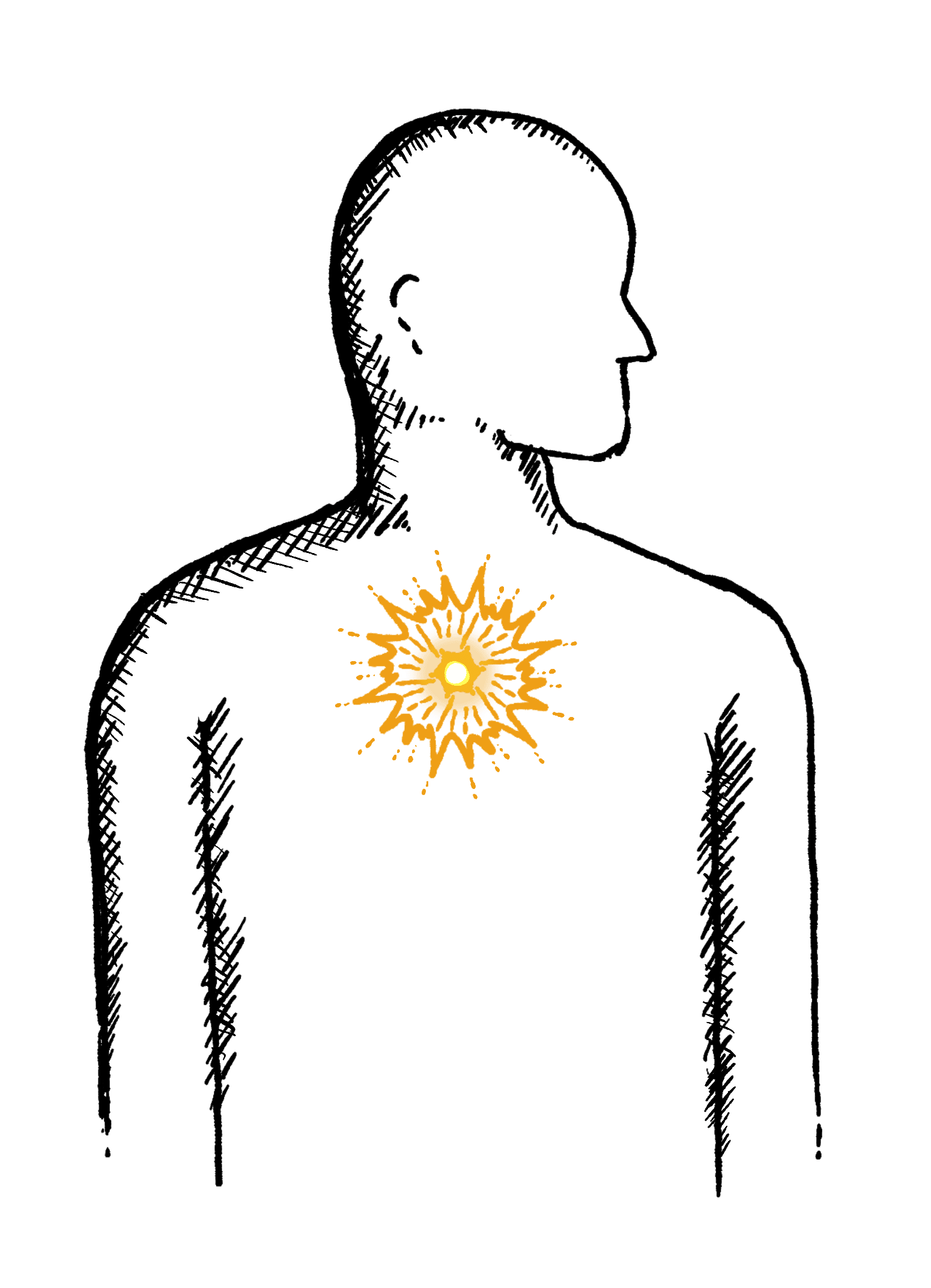
Burning mid-chest, worse when bending or lying down
Constipation
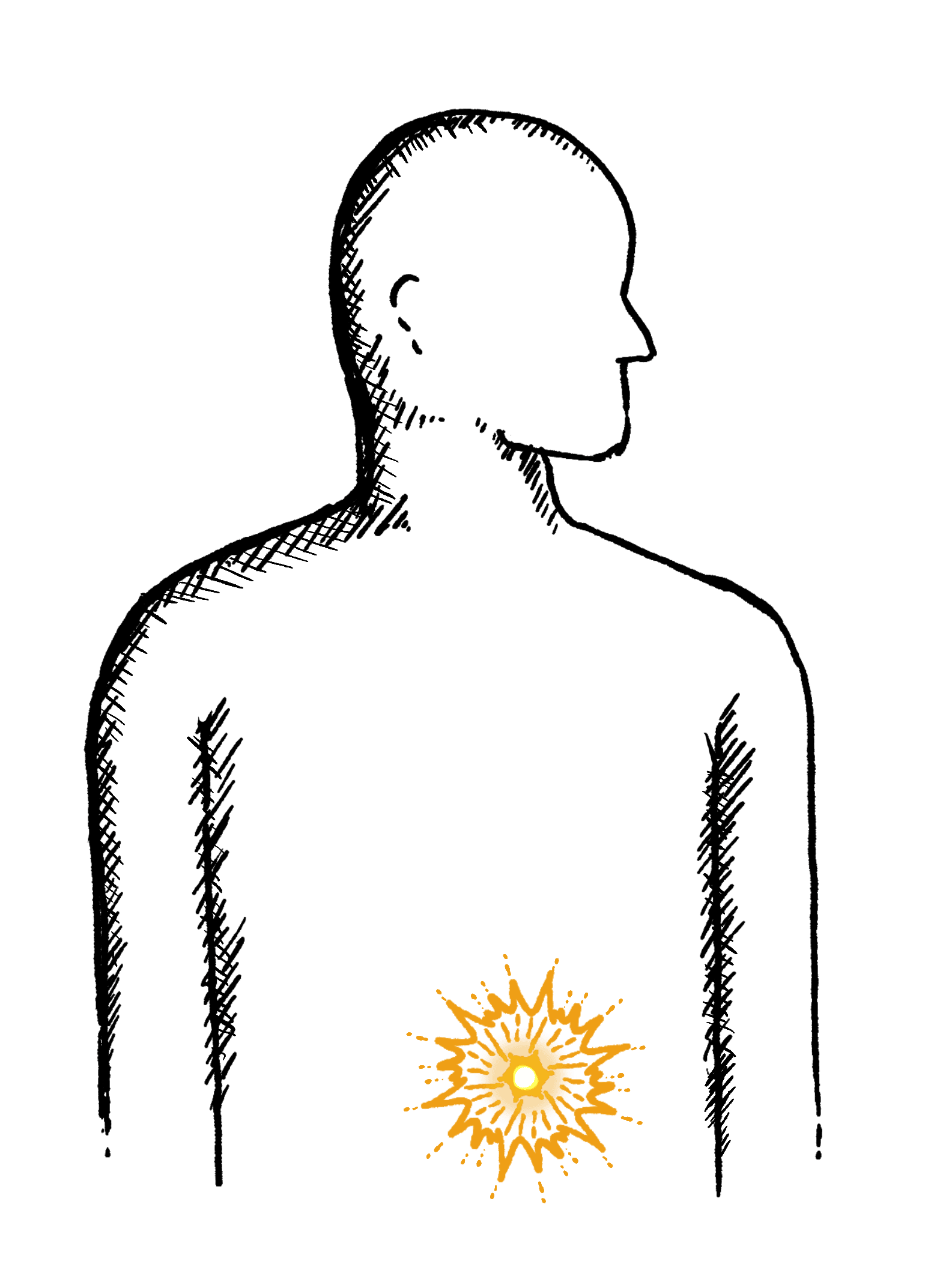
Difficulty going to the toilet, unusual stools, often with stomach ache or intestinal cramps, bloating, nausea or appetite loss
Heartburn
A burning pain in your chest, just behind your breastbone.
The pain is often worse after eating...
Regurgitation
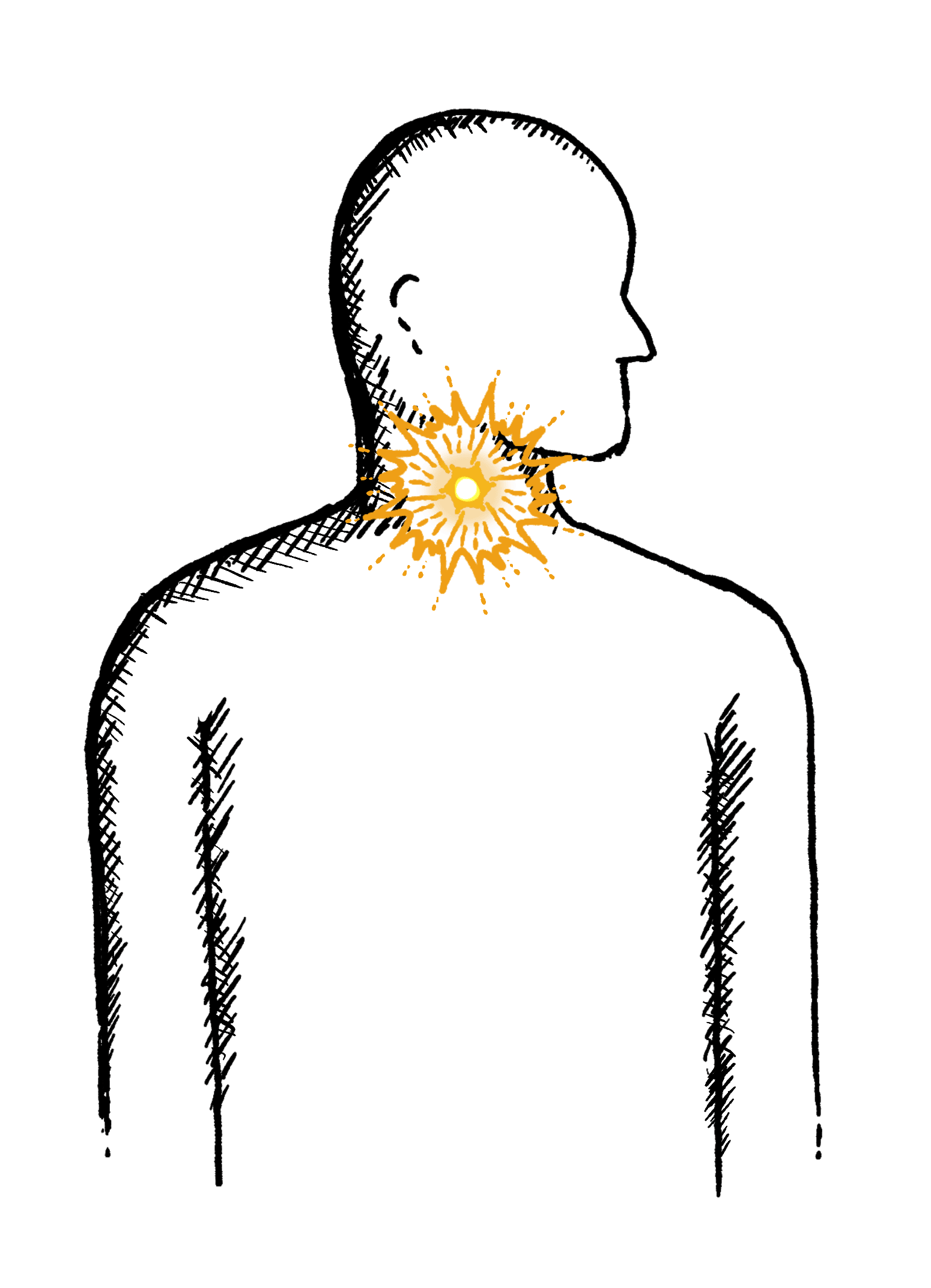
Bringing food or drink back up, difficulty swallowing, feeling that food or drink is stuck in your throat, horrible taste in your mouth
Swallowing Issues
Dysphagia - difficulty swallowing, feeling that food or drink is stuck in your throat, horrible taste in your mouth
Diarrhoea
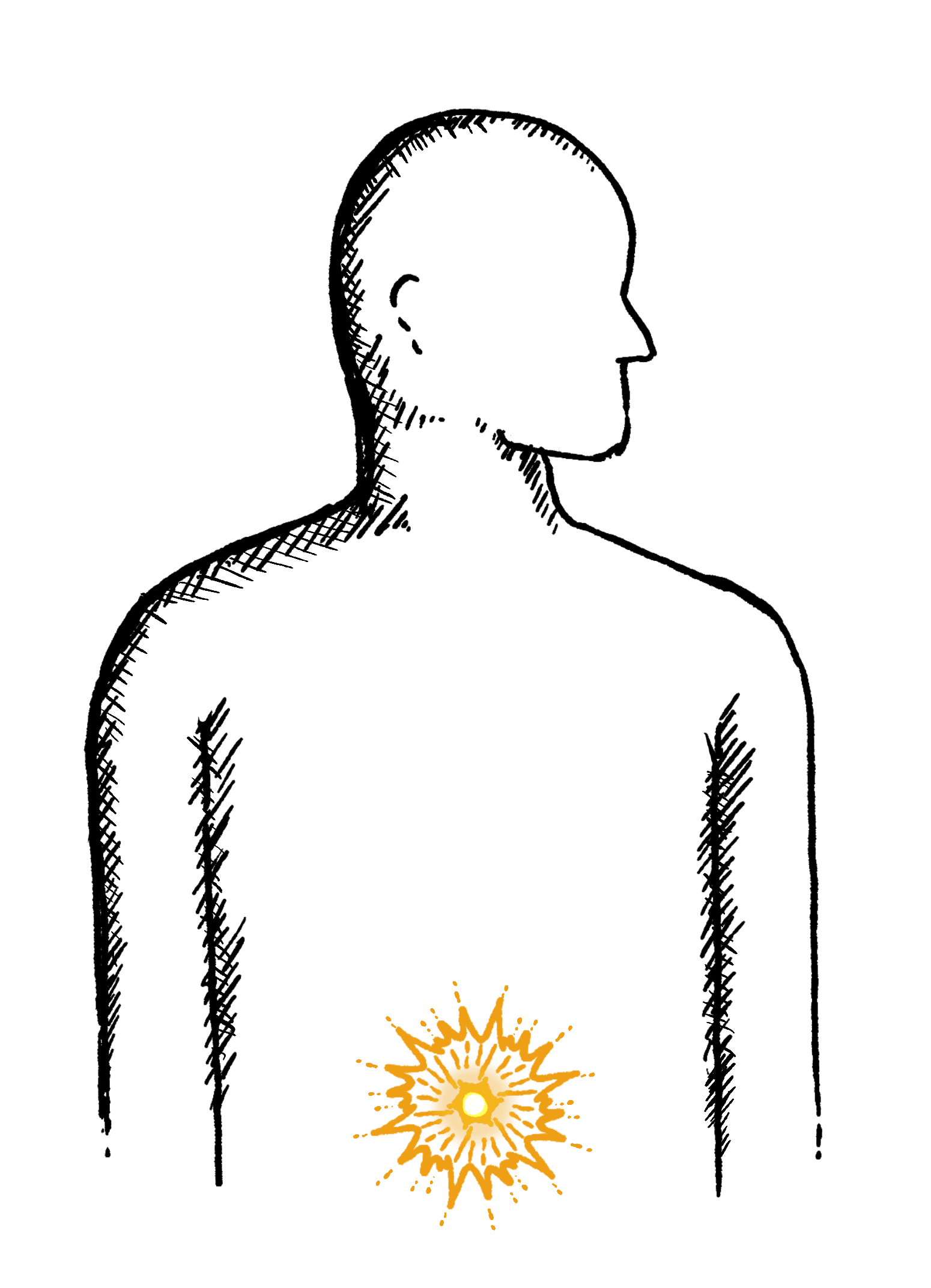
Loose or explosive stools, can’t get to a toilet in time
Abdominal Pain
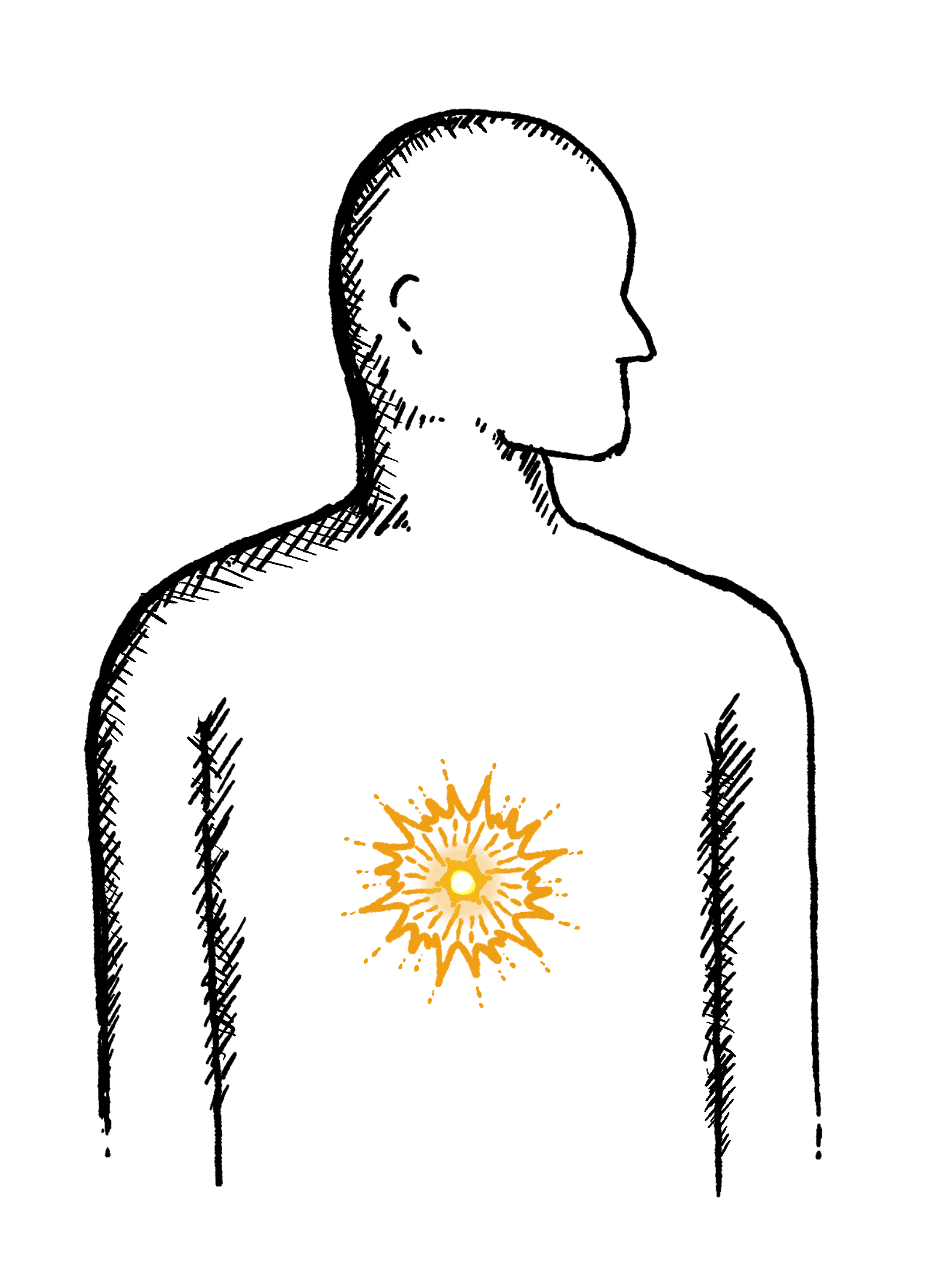
Cramps; sharp or dull pain, Bloating, Excessive belching, Nausea or vomiting
Faecal Incontinence
Stools leak unexpectedly, Can’t get to a toilet in time
IBS
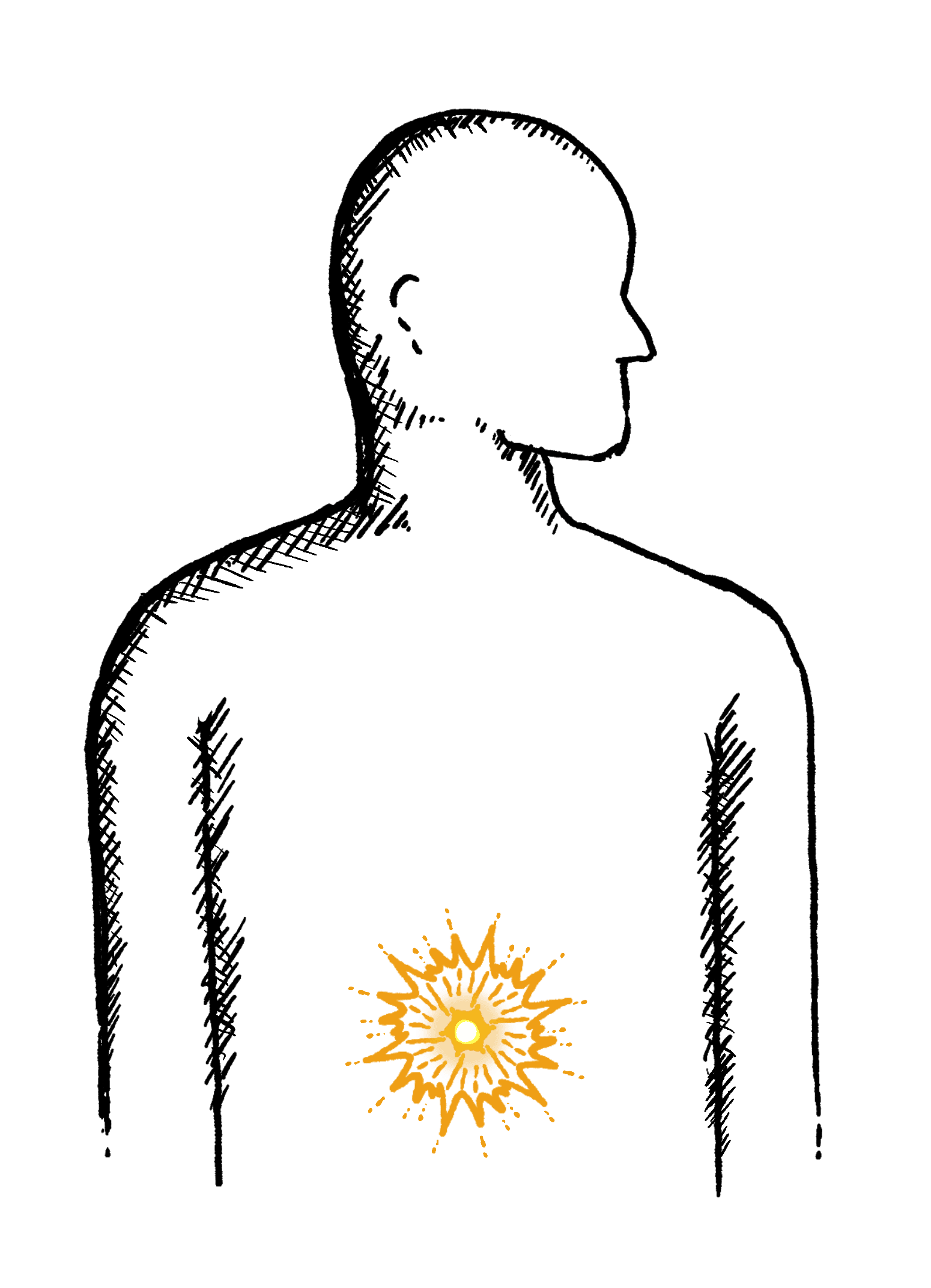
Abdominal pain or cramping, bloating, changes in bowel habits and urgency, gas
HEALTH ASSESSMENT
WHO WE ARE
HOW WE HELP YOU
LEARN
SUPPORT
FOLLOW US
© Copyright The Functional Gut Group 2026