
Bloating
Struggling with bloating? Here’s what you need to know to find relief.
ALL TEST ARE ACCREDITED & REGULATED BY



What is bloating?
When you’re bloated, your stomach or abdomen can feel full and uncomfortable, or even painful.
This bloating happens when your gastrointestinal tract contains too much gas or air. Bloating can be mild, or more severe, and may present as:
– A visibly distended or swollen abdomen
– Feeling very full and uncomfortable
– Feeling of tightness in the abdomen
– Excess gas – belching and/or flatulence
– Rumbling or gurgling
There are several causes of bloating, so it’s important to diagnose the cause of your bloating and find out why it’s happening to you.

Why does bloating happen?
Prolonged periods of bloating could indicate an underlying health problem, if so you should see your GP.
Possible causes can include:
Irritable bowel syndrome (IBS diagnosis)
Ulcerative colitis, a form of inflammatory bowel disease (IBD), where the inner lining of the large bowel is inflamed and develops ulcers
Crohn’s disease, the other form of IBD, where some parts of your colon are inflamed
Too much bacteria in your small intestine (called small intestinal bacterial overgrowth, or SIBO)
Gastroesophageal reflux disease
Food intolerances, especially lactose or fructose intolerance
Producing too much gas (dysbiosis and fermentation)
Weight gain
Stress or anxiety
Delays in your food and drink moving on from your stomach (called gastroparesis)
Eating too quickly, so that you swallow too much air (called aerophagia)

Diagnosing bloating
Feeling bloated is no fun, but once you know what’s going on you can start to manage your symptoms and the underlying causes.
Testing options:
At the Functional Gut Clinic, we can run the following tests to diagnose the causes of bloating:
Gastric emptying test– which measures how quickly food leaves your stomach
Carbohydrate malabsorption breath test– which finds out if you have certain food intolerances (lactose or fructose)
Small intestinal bacterial overgrowth (SIBO) breath test– which finds out if you have an overgrowth of bacteria in your small intestine (called SIBO)
Oesophageal manometry– which measures the function of your oesophagus (food pipe)
24-hour pH impedance monitoring– which looks at whether you have any reflux
Colonic transit study-a non-invasive test which looks at how long it takes for faeces to pass through your bowl
Learn more about bloating
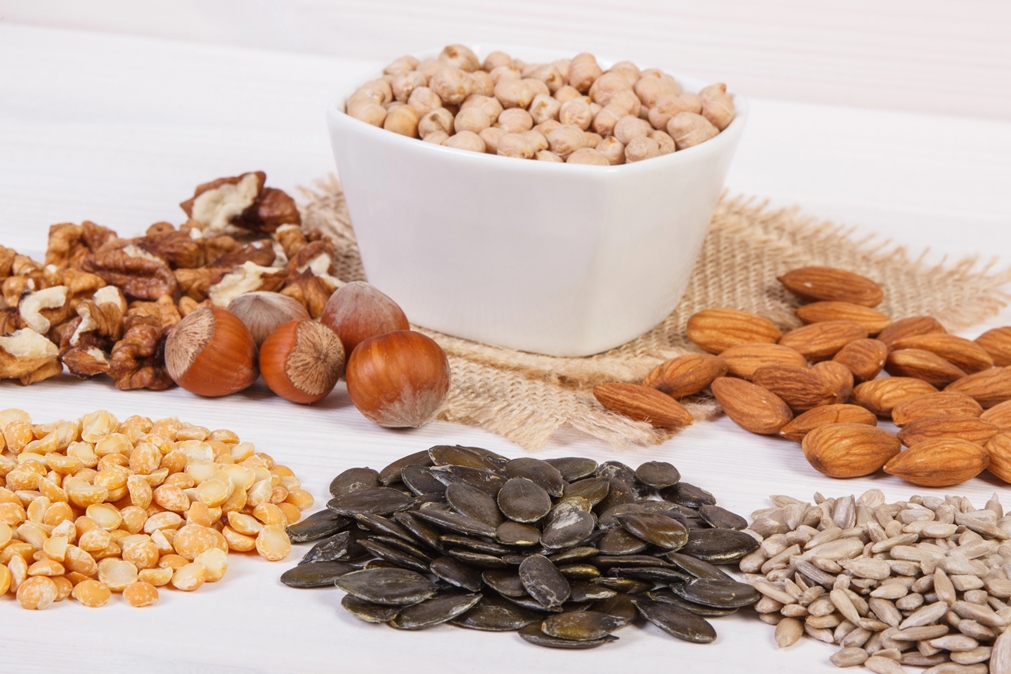
Fibre & Short-Chain Fatty Acids: How They Support Gut Health
Fibre isn’t just for digestion. We’re often told that it acts like a scrubbing brush, cleaning out your bowels. But it’s also food, just not food for you. Your gut bacteria rely on fibre to sustain themselves. Without it, their levels can become dysregulated (known as dysbiosis).
Dietary fibre is fermented by the gut bacteria, producing short-chain fatty acids (SCFAs) which help with everything from maintaining gut barrier integrity to regulating inflammation. SCFAs are a big part of your health. If your gut microbiome is affected, it’s often one of the first things to be affected.
Below, we explore what fibre is, how it supports the gut microbiome, and where short-chain fatty acids fit into everything.
What Is Fibre and Why Does It Matter for Gut Health?
Fibre is an indigestible plant carbohydrate. Unlike other carbohydrates (like sugars and most starches), fibre is not digested or absorbed in the small intestine. Instead, it reaches the colon intact.
That’s where the gut bacteria take over.
Types of Fibre
Fibre comes in three different forms:
Soluble fibre (feeds bacteria, forms gels)
Insoluble fibre (adds bulk, supports bowel movements)
Resistant starch (important for SCFA production)
The two big categories are soluble and insoluble fibres. However, fibres can vary in their solubility depending on their source and level of processing.
What Are Short-Chain Fatty Acids (SCFAs)?
SCFAs are a byproduct of fibre fermentation. Two of the most common SCFAs are acetate and butyrate, known for their ability to reduce inflammation.
But they’re only produced when we eat the right foods. Oats, rice, and potatoes become rich in resistant starch when they are cooked, cooled, and reheated, while unripe (green) bananas are naturally a good source. These forms of resistant starch help promote the production of SCFAs. In contrast, when whole grains are ground into flours, they tend to be lower in this type of fibre and so produce fewer SCFAs.
When you eat more fibre, your gut produces more SCFAs which can protect the intestinal lining. It can also prevent harmful bacteria from overgrowing and help absorb certain minerals like calcium.
Butyrate: The Key Player
Butyrate is one of the most important short-chain fatty acids your gut produces. It acts as the primary fuel source for the cells lining the colon, helping them function properly and stay healthy.
This supports the integrity of the gut barrier, prevents ‘leaky gut’, and therefore reduces the risk of unwanted substances passing through. It also has a natural anti-inflammatory effect, making it a key part of maintaining overall gut balance.
How Fibre Feeds Your Gut Microbiome
The Fermentation Process
Most foods are digested as they pass through the stomach and small intestine. Fibre is different. It reaches the colon (large intestine), where bacteria ferment it. SCFAs are produced as a result, alongside certain gases like H2 (hydrogen) and CO2 (carbon dioxide).
You might think the fermentation process is bad. But it’s actually extremely beneficial. Without it, the “good” bacteria wouldn’t survive, and no SCFAs would be produced.
Why Diversity of Fibre Matters
Each bacterium relies on a specific fibre (or a handful). The more sources of dietary fibre you introduce, the more variety of bacteria you support.
Relying on just a single bacterium for SCFA production is risky. It’s better to rely on lots of different species, as this creates a more resilient microbiome. It also means there isn’t a single “superfood.” Rather, it’s about eating a varied, balanced diet to cater to the varied bacteria species.
Benefits of Short-Chain Fatty Acids for Gut Health
Short-chain fatty acids have numerous beneficial functions. These include:
Strengthened gut lining (reduce “leaky gut” risk)
Reduced inflammation
Supported immune function
Regulated metabolism and blood sugar levels
Regulated appetite and satiety
Signs You May Not Be Eating Enough Fibre
Most people probably don’t get enough fibre. Even when they do, it’s often from processed foods, which could harm beneficial bacteria.
Common signs your fibre intake is poor include:
Constipation or irregular bowel movements
Bloating after low-fibre meals
Low energy or poor satiety
Limited variety in diet
Digestive discomfort
How to Increase Fibre to Support SCFA Production
Focus on Whole Food Sources
Vegetables, fruits, legumes, and whole grains are excellent sources of soluble fibres, which all support different microbial populations. Oats, rice, and potatoes, and unripe bananas (as mentioned above) are especially useful for SCFA production.
Add Fibre Gradually
Sudden increases in fibre can cause bloating and flatulence. Gradually increase your intake so your microbiome has time to adapt.
Stay Hydrated
It’s also incredibly important to make sure you’re drinking enough water when eating more fibre. If you’re eating lots of fibre or increasing the amount you’re having, drinking enough water ensures the smooth running of your digestive system, and helps reduce the risk of dehydration and or constipation.
Get Your Microbiome Checked
If you’re dealing with ongoing digestive or hormonal symptoms, it may be worth going beyond guesswork.
The Functional Gut Clinic offers personalised microbiome testing to assess the balance of your gut bacteria and how well it’s functioning. From there, you will receive targeted guidance on diet and lifestyle changes to support SCFA production and your overall gut health.
It’s a more precise way to understand what’s actually going on and what to do about it.
Read the next article: The Microbiome and Your Immune System

Hear from people we’ve helped, just like you.
"Very professional while welcoming and friendly"
"The manner and demeanour of all staff from reception to people carrying out the test was very professional but welcoming and friendly. Atmosphere is very relaxed and all instructions clear and concise."
London Patient

"Highly recommend this"
"Thanks to Dr Hobson and everyone at the Functional Gut Clinic. The whole team is very kind and generous and they are doing things that are cutting edge and they actually get results."
Manchester Patient
"Highly recommend this"
"After stopping my lansoprazole, every time I had a warm drink, I could feel it burn all the way down to my stomach. Thank you to Sam for making me feel at ease." - Manchester Patient
"My experience could not be better"
"Pleasant and knowledgeable staff that made the experience more enjoyable than it should be!" - London Patient
"Very friendly and knowledgeable"
"An excellent service from beginning to end. I would recommend to anyone who was considering having testing done. Very friendly and knowledgeable!" - Manchester Patient
"Very kind and helpful"
"It was also great to have time to talk to the clinicians – very important when you have problems. Reception staff also very kind and helpful." - Manchester Patient
Are you experiencing any other symptoms
Symptoms are often closely connected. Find out more below.
Reflux

Burning mid-chest, worse when bending or lying down
Constipation

Difficulty going to the toilet, unusual stools, often with stomach ache or intestinal cramps, bloating, nausea or appetite loss
Heartburn
A burning pain in your chest, just behind your breastbone.
The pain is often worse after eating...
Regurgitation

Bringing food or drink back up, difficulty swallowing, feeling that food or drink is stuck in your throat, horrible taste in your mouth
Swallowing Issues
Dysphagia - difficulty swallowing, feeling that food or drink is stuck in your throat, horrible taste in your mouth
Diarrhoea

Loose or explosive stools, can’t get to a toilet in time
Abdominal Pain

Cramps; sharp or dull pain, Bloating, Excessive belching, Nausea or vomiting
Faecal Incontinence
Stools leak unexpectedly, Can’t get to a toilet in time
IBS

Abdominal pain or cramping, bloating, changes in bowel habits and urgency, gas
HEALTH ASSESSMENT
WHO WE ARE
HOW WE HELP YOU
LEARN
SUPPORT
FOLLOW US
© Copyright The Functional Gut Group 2026