
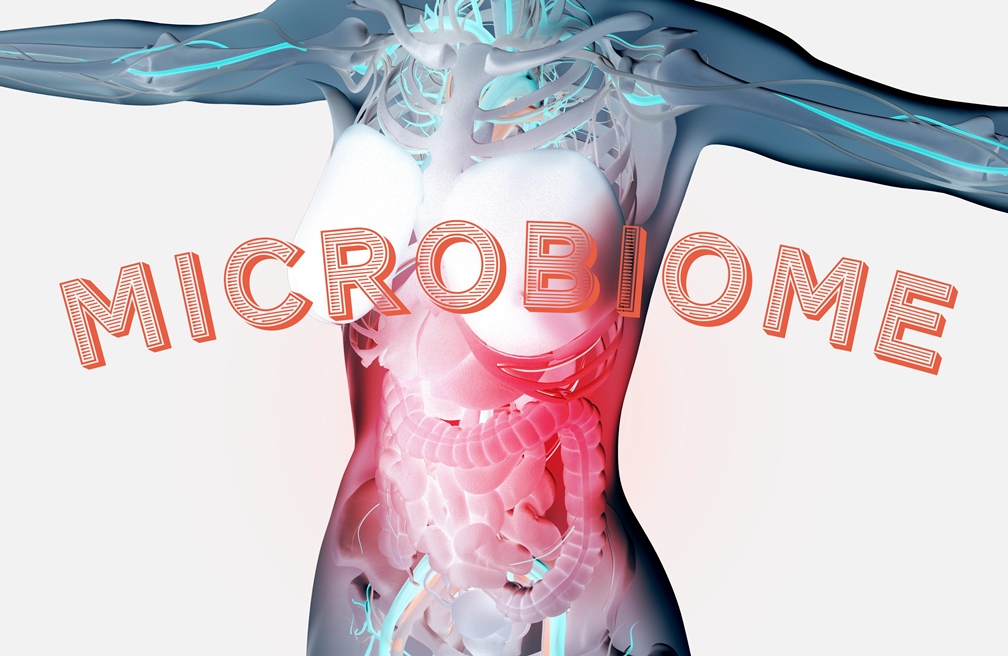
The Microbiome & Your Immune System
Your body’s defences aren’t just about white blood cells and vitamins. A large part of your immune system operates in the gut, where it’s shaped by the bacteria that live there. This community, also known as the microbiome, helps regulate immune responses, supporting your ability to fight infections while keeping inflammation in check.
These bacteria aren’t passive. They’re in constant communication with your immune system, sending and receiving signals that influence how it behaves. When that balance is disrupted, it can contribute to issues like allergies, chronic inflammation, and even autoimmune conditions. That’s why gut microbiome testing is so important.
What Is the Gut Microbiome?
The gut microbiome comprises trillions of bacteria, viruses, and other microbes living in the digestive tract. We often think of all bacteria as bad. But that’s not the case. In fact, some bacteria serve vital functions, such as working with your immune system.
Gut microbes have a role in everything from digestion and metabolism to signalling and immunity. They produce many of the nutrients and molecules the body needs to fight off infections.
How the Gut Microbiome Supports the Immune System
The Gut as an Immune Hub
Your gut is the centre of your immune system. Around 70% of all immune cells are located in and around the gut, particularly in structures known as gut-associated lymphoid tissue (GALT).
That makes sense. If pathogens want to enter the body, they can either do so through the skin or the digestive tract. While the skin is a thickened barrier, the gut must still absorb nutrients, creating an entry point.
The immune system is constantly battling microbes. It uses it as a “training ground” for immune responses, helping it respond appropriately rather than overreacting or missing real threats.
Communication Between Gut and Immune Cells
Gut bacteria don’t just sit there. They actively communicate with the immune system.
Compounds like short-chain fatty acids (SCFAs) and other metabolites are constantly produced, influencing how immune cells behave. These signals fine-tune immune activity, guiding when to mount a response and when to tolerate harmless substances.
Otherwise, your body could tip into chronic inflammation like a frontline defence that shoots at everything it sees.
The Gut-Immunity Link Explained Simply
Barrier Protection
People say the best defence is a good offense. But for the body, every fight wastes resources. Better to protect the physical barriers that prevent pathogens from entering the body.
The gut lining is that barrier. A healthy microbiome strengthens the tight junctions binding the cells together, preventing “leakage” into the circulation.
Immune Regulation (Not Just Activation)
Like all defensive operations, your immune system needs messages from the frontline. This prevents accidents where your immune system starts to attack the body itself (known as autoimmunity) or remains in a constant state of high alert (chronic inflammation).
Rather than just activating immune cells, your microbiome releases molecules that help regulate responses, supporting a balanced system. That means it’s ready when an actual attack happens.
What Happens When the Microbiome Is Disrupted?
If your gut microbiome becomes dysregulated, it’s known as dysbiosis. This occurs when bacterial numbers are low or harmful bacteria become too dominant over the beneficial ones.
You may notice:
Increased susceptibility to infections
Chronic inflammation
Digestive issues
Worsening allergies or sensitivities
Skin issues like acne
The gut microbiome is also linked to the autoimmune conditions, in which the immune system mistakenly attacks the body’s own tissues. For example, low levels of Bacteroides, Bifidobacterium, and butyrate-producing bacteria have been associated with increased inflammation and changes in immune regulation, including the activation of autoreactive immune cells.
These changes may contribute to the development or progression of conditions such as inflammatory bowel disease (IBD), rheumatoid arthritis, type 1 diabetes, and multiple sclerosis.
How to Support Gut Health and Immunity
Diet as the Foundation
Eating a wide variety of fibre-rich foods is the best thing you can do to support your beneficial gut bacteria. Fermented foods are another good option, as they contain beneficial bacteria. They’re a great option if you’ve just taken a course of antibiotics.
Lifestyle Factors That Matter
A lack of sleep, stress, and a sedentary lifestyle work against your gut microbiome. Support your immune system by putting healthy habits in place. Just exercising 2-3 times per week and introducing something to reduce stress can make a big difference.
Avoiding Common Disruptors
It’s not just what to do, it’s what not to do.
Overuse of antibiotics, highly processed diets, and chronic stress, all harm your microbiome. They provide the opportunity for harmful bacteria to thrive.
Take a Microbiome Test
If you’re dealing with recurring infections, ongoing digestive issues, or symptoms that don’t quite add up, it may be worth looking deeper at your gut.
The Functional Gut Clinic offers personalised microbiome testing to assess the current state of your gut health.
From there, you’ll receive clear, tailored guidance on what to change. This might be diet, lifestyle, targeted support, or a bit of each. It takes the guesswork out and gives you a practical plan based on what’s actually happening in your body.
You might like to read the next interesting article: At-Home vs Clinical Microbiome Tests: What's the Difference and Which Should You Choose?


