
Bloating
Struggling with bloating? Here’s what you need to know to find relief.
ALL TEST ARE ACCREDITED & REGULATED BY



What is bloating?
When you’re bloated, your stomach or abdomen can feel full and uncomfortable, or even painful.
This bloating happens when your gastrointestinal tract contains too much gas or air. Bloating can be mild, or more severe, and may present as:
– A visibly distended or swollen abdomen
– Feeling very full and uncomfortable
– Feeling of tightness in the abdomen
– Excess gas – belching and/or flatulence
– Rumbling or gurgling
There are several causes of bloating, so it’s important to diagnose the cause of your bloating and find out why it’s happening to you.

Why does bloating happen?
Prolonged periods of bloating could indicate an underlying health problem, if so you should see your GP.
Possible causes can include:
Irritable bowel syndrome (IBS diagnosis)
Ulcerative colitis, a form of inflammatory bowel disease (IBD), where the inner lining of the large bowel is inflamed and develops ulcers
Crohn’s disease, the other form of IBD, where some parts of your colon are inflamed
Too much bacteria in your small intestine (called small intestinal bacterial overgrowth, or SIBO)
Gastroesophageal reflux disease
Food intolerances, especially lactose or fructose intolerance
Producing too much gas (dysbiosis and fermentation)
Weight gain
Stress or anxiety
Delays in your food and drink moving on from your stomach (called gastroparesis)
Eating too quickly, so that you swallow too much air (called aerophagia)

Diagnosing bloating
Feeling bloated is no fun, but once you know what’s going on you can start to manage your symptoms and the underlying causes.
Testing options:
At the Functional Gut Clinic, we can run the following tests to diagnose the causes of bloating:
Gastric emptying test– which measures how quickly food leaves your stomach
Carbohydrate malabsorption breath test– which finds out if you have certain food intolerances (lactose or fructose)
Small intestinal bacterial overgrowth (SIBO) breath test– which finds out if you have an overgrowth of bacteria in your small intestine (called SIBO)
Oesophageal manometry– which measures the function of your oesophagus (food pipe)
24-hour pH impedance monitoring– which looks at whether you have any reflux
Colonic transit study-a non-invasive test which looks at how long it takes for faeces to pass through your bowl
Learn more about bloating
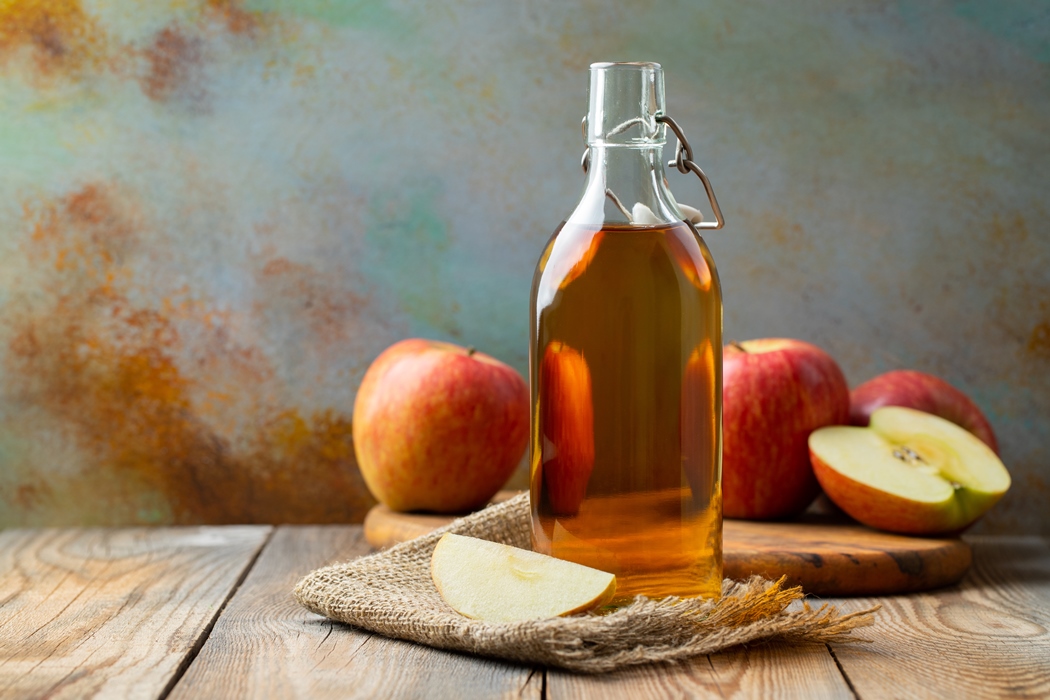
Apple Cider Vinegar for Heartburn: Does It Actually Work?
Listen to some experts, and apple cider vinegar gets recommended as a heartburn treatment — almost like a cure-all. At first glance, it doesn’t quite add up. Heartburn is caused by acid reflux, so adding something acidic into the mix seems like it would make things worse, not better.
The idea comes from the “low stomach acid” theory. It suggests the valve between the stomach and oesophagus only closes properly when acidity is high. By that logic, increasing stomach acid, for example with apple cider vinegar, should improve symptoms rather than reduce them.
But is this actually true? Does apple cider vinegar help with heartburn? Or is it another bit of useless “podcast wisdom”? Let’s find out.
What Causes Heartburn in the First Place?
Heartburn is caused by acid entering the oesophagus from the stomach. Usually, the lower oesophageal sphincter (LES) stops acid from backflowing. However, if it’s weakened or the pressure is too great, it can open, allowing acid in.
That’s the mainstream theory.
Why People Use Apple Cider Vinegar for Heartburn
The “Low Stomach Acid” Theory
Not everyone is convinced by the idea that the LES opens due to weakness or increased pressure in the stomach. While mainstream medicine acknowledges the role of factors like smoking, alcohol, and certain foods in opening the LES, other people argue it’s caused by too little acid in the stomach.
According to this theory, “low stomach acid” can mimic the symptoms of acid reflux. But the mechanism is different. A lack of stomach acid causes poor digestion. This creates gas bubbles that rise into the oesophagus, carrying stomach acid with them.
Where This Idea Falls Short
The “Low Stomach Acid” theory goes a step further. It argues that LES dysfunction occurs specifically because there’s not enough acid, and that only by increasing stomach acidity will the LES clamp shut properly.
However, there’s limited clinical evidence supporting ACV for reflux. Most cases of heartburn are caused by too much acid production (e.g., due to fatty foods) or because certain factors weaken the LES. It’s not usually a lack of acid.
What Does the Evidence Actually Say?
There really isn’t a lot of evidence.
Apple cider vinegar itself has numerous health benefits. But its effect on acid reflux hasn’t been fully investigated. A 2015 graduate thesis found that ACV may prevent heartburn. However, the sample size here was small.
In the case of low stomach acid, it may provide some benefits. However, it’s hard to diagnose low stomach acid from symptoms alone, so it may make things worse.
That being said, a lack of evidence is not proof that it works or doesn’t work.
Can ACV Make Heartburn Worse?
Yes. Introducing an acidic substance to an already acidic environment could exacerbate symptoms, especially if you’ve already got an overproduction of acid.
You may notice:
·Irritation in the oesophagus
·Worsening reflux symptoms
·Dental enamel damage/erosion
If you want to try using ACV, it’s best to start small. A teaspoon is enough to see if there’s a negative effect. You can always gradually increase the dose.
Are There Situations Where ACV Might Help?
In rare cases where genuine low stomach acid is involved, ACV might be a suitable treatment. But it’s only suitable for mild symptoms and should never be used as a primary treatment.
You’ll want to undergo testing first to rule out other potential causes of heartburn or chest pain. The Functional Gut Clinic offers acid reflux testing that measures the presence of acid in the oesophagus. They also offer testing for low stomach acid. Both could help narrow down the underlying cause of your symptoms.
Better-Established Ways to Manage Heartburn
Dietary Adjustments
Heartburn is often linked to diet. Eating trigger foods such as fatty foods, caffeine, alcohol, or late meals, can cause an episode of acid reflux. By reducing these triggers, you could see if your heartburn is due to high acid levels.
Lifestyle Changes
Just tweaking your lifestyle can reduce heartburn. Try these tips:
·Maintain a healthy weight — excess abdominal pressure can worsen reflux
·Elevate your head during sleep — helps prevent acid from travelling upward
·Avoid lying down straight after meals — wait at least 2–3 hours before resting
Medical Options
If heartburn persists, your doctor may prescribe medications. Antacids are the best option to relieve an immediate acid attack, while PPIs and H2 blockers can provide long-term acid suppression.
Get Your Heartburn Checked
Heartburn is common, but the cause isn’t always obvious. Treating the wrong cause can make things worse. If your symptoms keep coming back, it’s worth moving beyond trial and error.
The Functional Gut Clinic offers targeted testing for acid reflux and GERD to help identify what could be driving your symptoms. With a clearer diagnosis, you can follow a plan that’s tailored to you rather than relying on guesswork or trends.
Read the next interesting article: Chronic Cough from Reflux: When Your Cough Is Actually GORD

Hear from people we’ve helped, just like you.
"Very professional while welcoming and friendly"
"The manner and demeanour of all staff from reception to people carrying out the test was very professional but welcoming and friendly. Atmosphere is very relaxed and all instructions clear and concise."
London Patient

"Highly recommend this"
"Thanks to Dr Hobson and everyone at the Functional Gut Clinic. The whole team is very kind and generous and they are doing things that are cutting edge and they actually get results."
Manchester Patient
"Highly recommend this"
"After stopping my lansoprazole, every time I had a warm drink, I could feel it burn all the way down to my stomach. Thank you to Sam for making me feel at ease." - Manchester Patient
"My experience could not be better"
"Pleasant and knowledgeable staff that made the experience more enjoyable than it should be!" - London Patient
"Very friendly and knowledgeable"
"An excellent service from beginning to end. I would recommend to anyone who was considering having testing done. Very friendly and knowledgeable!" - Manchester Patient
"Very kind and helpful"
"It was also great to have time to talk to the clinicians – very important when you have problems. Reception staff also very kind and helpful." - Manchester Patient
Are you experiencing any other symptoms
Symptoms are often closely connected. Find out more below.
Reflux

Burning mid-chest, worse when bending or lying down
Constipation

Difficulty going to the toilet, unusual stools, often with stomach ache or intestinal cramps, bloating, nausea or appetite loss
Heartburn
A burning pain in your chest, just behind your breastbone.
The pain is often worse after eating...
Regurgitation

Bringing food or drink back up, difficulty swallowing, feeling that food or drink is stuck in your throat, horrible taste in your mouth
Swallowing Issues
Dysphagia - difficulty swallowing, feeling that food or drink is stuck in your throat, horrible taste in your mouth
Diarrhoea

Loose or explosive stools, can’t get to a toilet in time
Abdominal Pain

Cramps; sharp or dull pain, Bloating, Excessive belching, Nausea or vomiting
Faecal Incontinence
Stools leak unexpectedly, Can’t get to a toilet in time
IBS

Abdominal pain or cramping, bloating, changes in bowel habits and urgency, gas
HEALTH ASSESSMENT
WHO WE ARE
HOW WE HELP YOU
LEARN
SUPPORT
FOLLOW US
© Copyright The Functional Gut Group 2026