
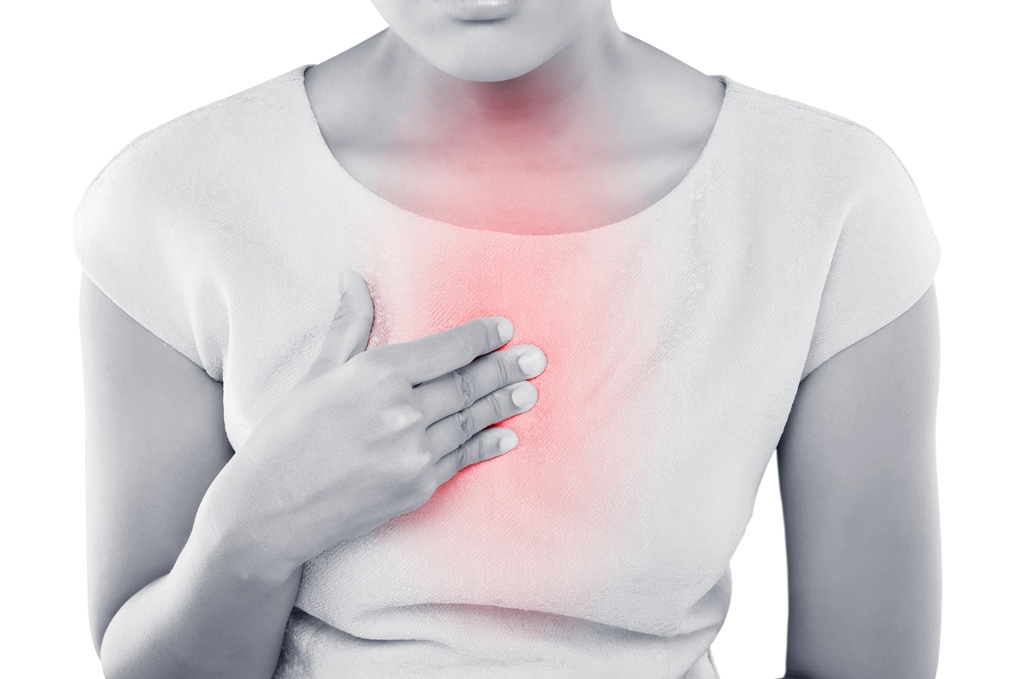
The 4 Stages of GERD
Gastroesophageal reflux disease, or GERD, is a medical condition where acid from the stomach persistently backflows into the oesophagus. Most people experience occasional acid reflux or heartburn. In GERD, however, these episodes happen several times a week or more.
GERD is often thought of as a fixed condition. However, it’s actually a progressive one, as symptoms often worsen quietly over time. Understanding the different stages of GERD is critical to reversing the condition and preventing the worst effects of acid reflux.
Below, we cover the 4 stages of GERD, how it progresses, and when it’s time to consider professional reflux testing and evaluation.
What Causes GERD to Progress?
GERD is primarily caused by a weakening of the lower oesophageal sphincter (LOS). This sphincter forms the junction between the oesophagus and the stomach, preventing backflow from occurring. However, certain foods and other conditions can cause this muscle to weaken.
Other factors exacerbating GERD include:
Frequent acid exposure to the oesophagus
Large or late evening meals
Trigger foods (fatty foods, spicy foods, caffeine, alcohol, chocolate)
Poor posture and slouching after meals
Excess abdominal pressure (tight clothing, weight gain)
Delayed stomach emptying
Chronic stress
The 4 Stages of GERD
Stage 1: Mild/Occasional Reflux (Uncomplicated GERD)
The first stage of GERD is mild, occasional reflux. People may notice heartburn, mild chest pain, a lump sensation in the throat (globus), and the regurgitation of food or liquid. Exposure is minimal, meaning there is no visible oesophageal damage.
Most people stay at this stage or find some relief. It can last for years. But it’s an early warning sign many people ignore. Usually, stage 1 GERD is relieved by posture, smaller meals, or antacids.
Stage 2: Moderate/Persistent GERD
Stage 2 GERD increases the number of acidity attacks per week. At this stage, people often notice symptoms multiple times per week, including nighttime reflux and sleep disturbance.
Regurgitation, chronic throat clearing, and cough is common. The repeated acid exposure triggers early inflammation of the oesophagus. At this stage, lifestyle changes alone may no longer be enough. Medication can become necessary, at least in the short term, to allow the oesophageal lining to heal.
Stage 3: Severe GERD With Oesophagitis
Stage 3 GERD presents with daily symptoms. Patients complain of painful swallowing (odynophagia), food “getting stuck” (dysphagia), and regular heartburn. Due to the increased prevalence of symptoms, there’s an increased dependence on medication.
Long-term exposure to acid has created persistent, confirmed oesophageal inflammation or erosion. At this stage, the risk of complications is significantly higher, and the impact on quality of life becomes increasingly severe.
Stage 4: Advanced GERD With Complications
Stage 4 is the most advanced stage of GERD. Patients experience long-term damage to the oesophagus, including oesophageal strictures, Barrett’s oesophagus, and even an increased risk of oesophageal cancer in some cases.
The symptoms also progress to chronic chest pain, swallowing issues (dysphagia), and unintentional weight loss. Specialist management is required at this stage.
What Advanced Stages of GERD Can Lead To
If GERD isn’t treated, it will naturally progress. The advanced stages occur after prolonged acid exposure. This can lead to:
Oesophageal damage and narrowing: Long-term acid exposure can cause inflammation and scarring, making swallowing painful and increasing the risk of food becoming stuck.
Barrett’s oesophagus and cancer risk: Repeated injury to the oesophageal lining can trigger cell changes that can raise the long-term risk of oesophageal cancer.
Nutritional and weight problems: Pain with eating can lead to food avoidance, causing unintentional weight loss and nutrient deficiencies.
Chronic fatigue and reduced quality of life: Ongoing pain, broken sleep, and anxiety around food can significantly affect daily energy, mood, and overall wellbeing.
Can GERD Be Reversed at Each Stage?
In short, yes.
Stages 1-2 are highly reversible, especially with lifestyle changes. Either with a small amount of medication or lifestyle changes alone, you can relieve the inflammation and reduce symptoms overall.
Stage 3 is a little more difficult. However, with persistent medication and lifestyle changes, inflammation can improve with targeted treatment.
Stage 4, on the other hand, often results in permanent damage. However, progression can be slowed, and related complications are often treatable.
Don’t Wait for GERD to Progress
GERD doesn’t have to be something you manage forever. With the right intervention, you can reverse reflux, soothe your oesophagus, and return to normal, especially in the early stages.
The most important step is understanding exactly what’s driving your reflux and how advanced it really is.
The Functional Gut Clinic offers advanced 24-hour reflux testing and specialist assessments to diagnose the true cause of your symptoms. Don’t supress them or dismiss them as part of normal life. Learn more about our services and get clear answers that could help prevent serious complications further down the line.
The upcoming article might interest you: The upcoming article might interest you


