
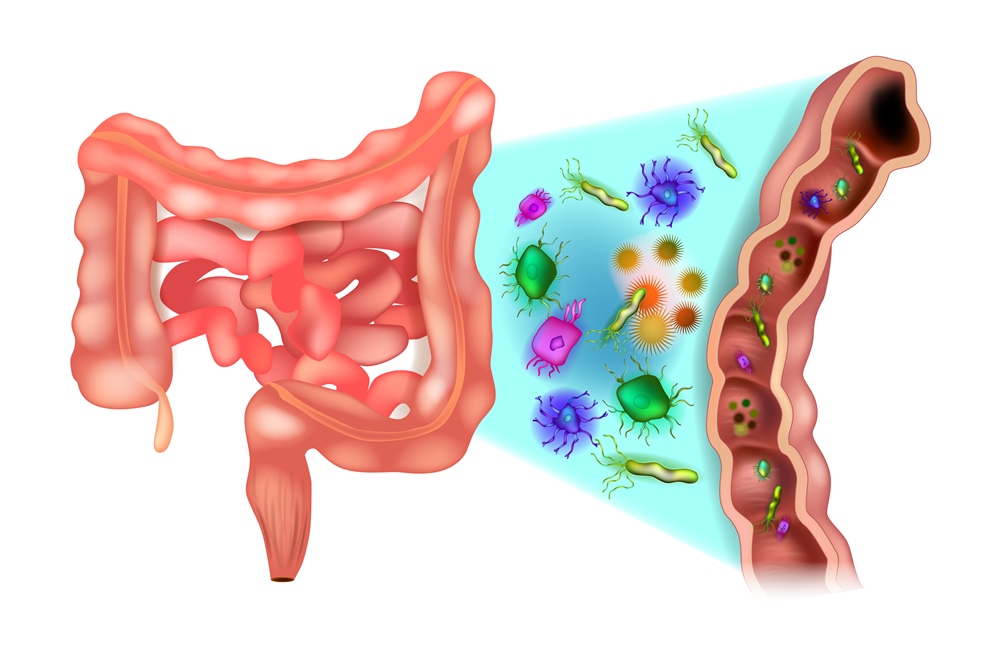
Dysbiosis: What It Is, Symptoms, Causes, Treatment & Diet
Your gut contains millions of bacteria and other microorganisms. These microorganisms aren't always harmful — in fact, they’re usually good. They support digestion and provide helpful functions. But if the delicate balance of different species becomes imbalanced (dysbiosis), it can cause digestive upset.
This imbalance (dysbiosis) can trigger a wide range of symptoms, from bloating and abdominal discomfort to changes in bowel habits and food sensitivities. In some cases, dysbiosis may even contribute to inflammation or worsen existing digestive conditions, making early recognition and assessment important.
What Is Dysbiosis?
Dysbiosis is an imbalance in the community of microorganisms living in your gut (microbiome). The condition is also known as intestinal or gastrointestinal (GI)dysbiosis.
Normally, your gut contains hundreds of different species of bacteria (and some fungi, protozoa, and viruses). These organisms work collectively to maintain healthy gut function, helping to digest fibre, generate useful nutrients, and lower inflammation.
However, when the balance of microorganisms becomes disrupted, it impairs your gut's functioning. This can lead to an increased risk of gut infections or just low-level discomfort and dysfunction.
Types of Dysbiosis
Gut dysbiosis is not always the same. The balance of good bacteria and bad bacteria can mean you've got too much of the bad or not enough of the good. How this imbalance occurs impacts your symptoms.
The main types of gut dysbiosis include:
Reduction in beneficial gut bacteria
Increase in harmful or opportunistic bacteria
Decreased diversity of the gut microbiome
Overgrowth of harmful or opportunistic bacteria is the most concerning, as it can lead to GI infections. Bacteria like H. pylori or C. difficile can cause severe discomfort and conditions like peptic ulcer disease.
Symptoms of Dysbiosis
Dysbiosis has effects far outside your gut. It can cause skin problems, cognitive issues, and GI upset.
Dysbiosis symptoms might include:
Bloating or abdominal discomfort
Excess gas
Diarrhoea, constipation, or alternating bowel habits
Indigestion or food intolerances
Nausea
Bad breath (halitosis)
Fatigue or low energy
Brain fog or difficulty concentrating
Unexplained changes in appetite
Skin problems such as acne or eczema
Dysbiosis can also occur in your mouth. If that's the case, look for bleeding gums and cavities. These other forms of dysbiosis affect a particular part of your body. Intestinal dysbiosis has much broader effects.
Causes of Dysbiosis
Gut dysbiosis is normally related to changes in your lifestyle. Just like different animals can thrive or die depending on their diet, the same is true for microorganisms. Your gut environment determines the microflora diversity and composition.
Diet and lifestyle habits that can cause dysbiosis:
Poor diets, high in sugar or ultra-processed foods
Low fibre intake
Alcohol overconsumption or binge drinking
Chronic stress
Sleep disturbance or irregular sleep patterns
Environmental toxins or chemical exposure
Over-sanitised environments (reduces microbial exposure)
Dysbiosis isn't always lifestyle related. It can occur due to an underlying medical condition or a particular medication that disrupts your existing microflora. Often, people notice changes after the medication or condition appears.
Medical causes of dysbiosis include:
Antibiotic use (especially repeated courses)
GI infections or food poisoning
Long-term use of PPIs or acid-suppressing medications
Corticosteroids or immunosuppressant medications
Inflammatory bowel diseases (Crohn's, ulcerative colitis)
Underlying metabolic conditions (e.g. diabetes)
Dysbiosis Treatments and Diet
Just as diet can harm your microorganisms, it can also repair the damage. A "dysbiosis-fixing diet" is rich in high-quality proteins (like lean meat and fish), lots of fibre, whole foods, and fruits and vegetables. In fact, eating different coloured foods can help, as different pigments feed different species.
Avoiding added sugars, saturated fat, and refined flour is essential. Ultra processed foods may disrupt the gut microflora and favour harmful bacteria.
You might also consider a probiotic (containing live bacteria). Certain fermented foods contain good bacteria, supplementing your gut. Probiotics may be helpful if a medication has harmed your natural balance. Fermented foods, like kimchi, sauerkraut, or natural yoghurt, can be effective.
Lastly, faecal microbiome transplantation (FMT) may be considered in more severe cases of dysbiosis. This treatment transfers healthy gut bacteria from a screened healthy donor to the patient to help restore a healthy microbiome. Although mainly used for recurrent C. difficile infections, early research suggests it may benefit some microbiome-related conditions. It’s currently only available in specialist centres and requires medical guidance.
Balance Your Gut Bacteria with The Functional Gut Clinic
Many people go through life without even realising they've got dysbiosis. Symptoms like fatigue, GI discomfort, or skin rashes get ignored.
Don't keep struggling when there’s a solution. The Functional Gut Clinic provides a range of advanced testing options to assess your gut microbiome diversity, giving you a comprehensive understanding of what's going wrong and how to fix it.
Book a gut health assessment with The Functional Gut Clinic today and get clear answers about your microbiome.


