
Probiotics vs. Prebiotics: What’s the Difference?
Inside your gut, you’ll find billions of bacteria and other microorganisms from hundreds of different species. Some of these are “good” bacteria, and others are “bad.” These bacteria provide different services, from aiding digestion to creating essential nutrients.
Supporting this community of bacteria (known as the microbiome) can transform your health. To do this, people rely on probiotics (foods containing beneficial live bacteria) and prebiotics (foods that feed the good bacteria).
They’ve both become big news in recent years. But often people get confused between the two. So, what’s the difference between probiotics and prebiotics? And what are the benefits of each of them?
What are Probiotics?
Probiotics are the live, beneficial bacteria themselves. Or rather, they’re the foods or supplements that contain them. Often used if your beneficial bacteria population has lowered (e.g. after taking antibiotics), these foods can help replenish your “good” microbes.
Common probiotic strains, such as Lactobacillus and Bifidobacterium, play roles in digestion, immune function, and supporting the gut lining.
You’ll find them in fermented foods like yoghurt, kefir, kombucha, and sauerkraut. But you can also take them in supplement form.
What are Prebiotics?
Prebiotics are non-digestible fibres (dietary fibre) that act as food for the beneficial bacteria already living in your gut. These include things like inulin, fructooligosaccharides (FOS), and resistant starch.
Instead of adding new microbes, prebiotics may boost the numbers of your existing populations, helping to make them stronger. This, in turn, ensures they provide the essential services that make them so beneficial. For example, enhancing gut health, producing SCFAs, supporting digestion, and promoting overall wellbeing.
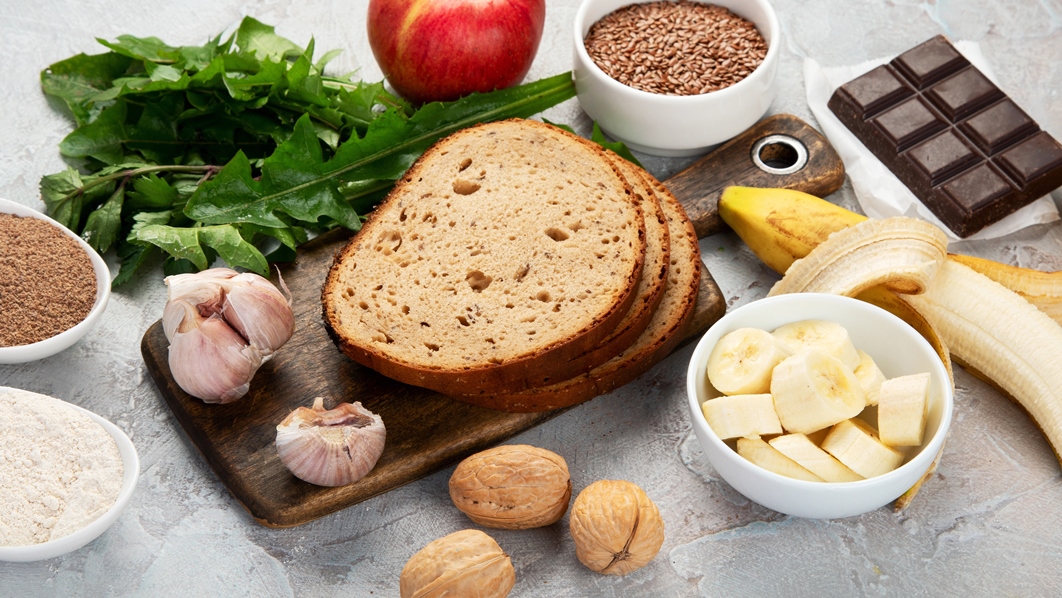
Prebiotics are found naturally in all kinds of foods. Popular sources include onions, garlic, leeks, oats, chicory root, bananas, legumes, and whole grains. Unlike probiotics, which are typically used in short or targeted bursts, prebiotics work best when eaten consistently as part of your lifestyle long-term.
What’s the Difference Between Probiotics and Prebiotics?
Okay, so the main difference between probiotics and prebiotics is that one contains live bacteria (probiotics) and the other doesn’t (prebiotics).
But there are a few other differences:
First, probiotics are often taken short-term. You don’t need to keep introducing new beneficial bacteria. Not unless you’re taking regular courses of antibiotics. Once you’ve got the “good” bacteria, you’ll want to switch to a diet rich in prebiotics to support, grow and multiply them.
Next are the kinds of foods that contain pro- and prebiotics. Probiotics are typically found in fermented foods like sauerkraut, kimchi, and kefir, whereas prebiotics are usually high-fibre vegetables and legumes.
Lastly, there’s when to use them. Probiotics are recommended when your old population of bacteria has been killed off or flushed out. So, after antibiotic usage, following a bout of diarrhoea, or if you suffer from IBS. In contrast, there’s no specific timing for prebiotics. They’re most effective when eaten consistently as part of your daily diet. Prebiotics are always important for enhancing your gut health and ensuring you get regular bowel movements.
Here’s an overview table:
Benefits of Probiotics and Prebiotics
“Good” bacteria aren’t just optional. They’re essential to a normal functioning gut. If numbers are low, you won’t get the essential services they provide, and you’re vulnerable to harmful bacteria and fungi.
A 2022 paper found that gut bacteria offer tons of helpful services, including:
Produce SCFAs and vitamin K that reduce inflammation and support gut cells.
Strengthen the gut barrier and lower permeability.
Regulate metabolism, including glucose and fat processing.
Modulate immune responses and inflammatory signalling.
Transform bile acids and other metabolites that affect whole-body health.
Even more incredibly, beneficial bacteria might improve symptoms of depression and anxiety. There’s an increasingly known link between the gut and the brain. So, supporting your gut could literally make you feel good.
Is It Better to Take a Probiotic or a Prebiotic?
The answer is to take both.
Probiotics and prebiotics don’t work against each other; they work together. Probiotics provide the starting population, and prebiotics feed them to help them grow. Just like with any organism, if you don’t provide the right conditions, they won’t thrive and you won’t get the beneficial effects that make them so vital to our health.
Review Your Beneficial Bacteria with The Functional Gut Clinic
Not sure which beneficial bacteria you’re lacking? Or the right combination of foods to support your gut health? We can help.
The Functional Gut Clinic offers a range of testing options and packages to analyse your current gut microbiome, offering personalised insights and advice. We can even detect the roles these bacteria have for you.
As the UK’s first integrated full-spectrum microbiome clinic, we offer world-leading testing you won’t find anywhere else. It’s time to take control of your gut health.
Book your first consultation today and unlock the power of beneficial bacteria.


