
8 Signs of a Healthy Gut Microbiome
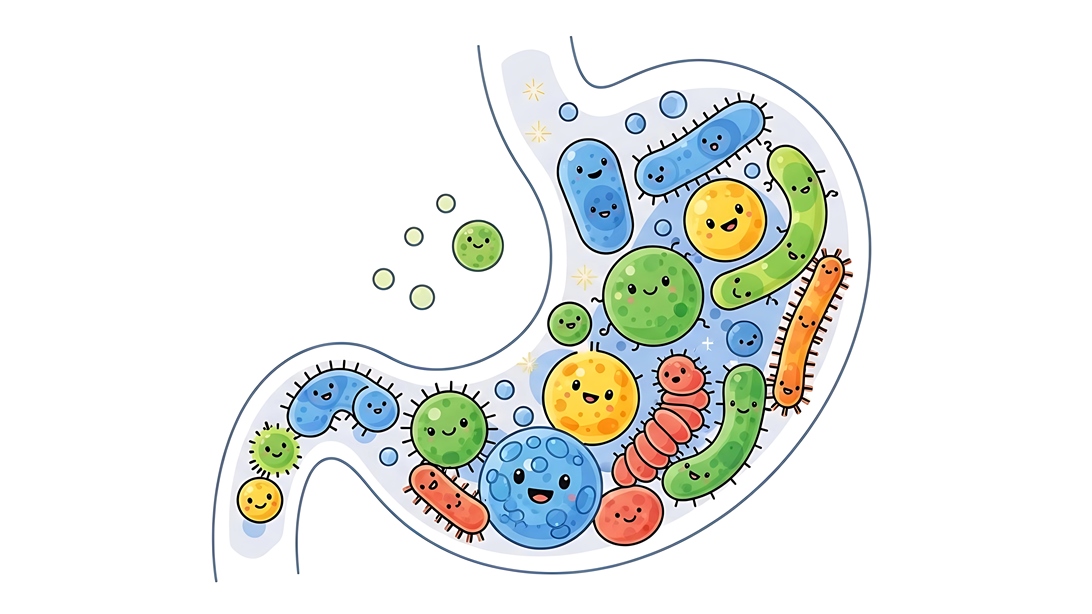
Your gut is filled with microorganisms. In fact, it’s estimated that there are over 100 trillion microbes in your digestive system — that’s more cells than the rest of your body. Known as your gut microbiome, it’s crucial for everything from digestion and nutrient absorption to clear skin and brain function.
Often, people struggle with some vague symptoms that just don’t get better. They might feel fatigued, have issues with bowel habits, or struggle with brain fog. Yet, they can never understand the cause. It might be a problem with your gut microbiome.
Here’s what to look for:
Signs of a Healthy Gut Microbiome
1. Frequent Bowel Habits
Most people have 1 to 2 formed bowel movements per day. That indicates there’s normal bowel function. However, if you’re going more often than this (or less), the problem might not be a physiological problem, but an issue with your gut microbiome.
There is no healthier sign of a healthy gut than regular bowel movements. So, keep a note if things start getting more or less regular.
2. No Constipation
It’s not just how often you go to the toilet. It’s what happens when you’re there.
A good sign of a healthy gut microbiome is that your stool is easy to pass. That means no straining, no pain, no constipation.
Did you know that around 25-50% of each stool is made up of bacteria? They digest the indigestible food components (usually fibre), helping to move the stool through your bowels. If they’re not doing their job, it can make the stool much harder.
3. Minimal GI Symptoms
Symptoms like bloating, heartburn, flatulence, or GI discomfort are almost always signs that something is off with your digestive tract. Bloating and flatulence, in particular, can occur when foods ferment in the bowel. The bacteria turn the fibre into gas.
That can be normal with certain foods like cabbage or onions. But if you’re getting these kinds of GI symptoms often, consider your microbiome. It might be a little unbalanced.
4. Normal Stool Appearance
You should always take a quick look in the toilet bowl. A normal stool is a sausage shape that’s either smooth or cracked. Ideally, it should come out in 1-2 pieces. If the stool is loose or mushy, this is a sign of diarrhoea. Conversely, hard, pellet-like stools are a sign of constipation.
If you’re not sure what to look for, refer to the Bristol Stool Chart. Aim for somewhere around type 3 or type 4.
5. Able to Fight Off Infections
Your bowel is more connected to the rest of your body than you think. In fact, your gut houses a big part of your body’s immune system. It makes sense — your gut is one of the primary areas where exposure to bacteria can occur.
If you’re constantly catching every bug going around, it could be a sign your gut microbiome isn’t right. It’s disrupting your immune system’s normal function.
6. Clear Skin
The skin often reflects internal changes before any other part of the body. Gut microbiome disruption can increase inflammation, which, in turn, exacerbates conditions like acne, eczema, hives, psoriasis, and even vitiligo.
People with these conditions may notice their symptoms worsen — others might develop mild symptoms despite normally being healthy.
7. Can Think Clearly
A healthy gut supports a healthy brain. Your gut and brain communicate constantly through the gut–brain axis, meaning changes in your microbiome can directly influence cognitive function. When your gut bacteria are balanced, you’re more likely to experience clear thinking, good concentration, and stable energy levels throughout the day.
If your gut is out of balance, however, you may notice brain fog, difficulty focusing, or feeling mentally “sluggish.” These symptoms often appear alongside digestive issues and can be an early sign that your microbiome needs attention.
8. Positive Mood
Your mood is probably the last thing you’d expect on this list. Increasingly, however, research indicates a close connection between the gut and mental health issues like anxiety and depression. A 2024 study found that people with specific markers in their gut microbiome handle stress much better than others.
Even if your symptoms are severe, fixing your gut microbiome may help relieve depression and anxiety to an extent, helping build resilience. A well-balanced gut tends to produce more of the neurotransmitters that regulate mood, such as serotonin and GABA. Over time, this can lead to a calmer emotional baseline and improved overall well-being.
Review Your Gut Microbiome with The Functional Gut Clinic
If you’re noticing signs your gut might be out of balance, don’t ignore them. The Functional Gut Clinic offers in-depth microbiome assessments that use world-leading testing to analyse the diversity, balance, and function of your gut bacteria.
Whether you’re dealing with vague symptoms or ongoing digestive issues, we can help you understand what’s really happening.
Book your gut microbiome assessment today and get clear, personalised answers.


