
Bloating
Struggling with bloating? Here’s what you need to know to find relief.
ALL TEST ARE ACCREDITED & REGULATED BY



What is bloating?
When you’re bloated, your stomach or abdomen can feel full and uncomfortable, or even painful.
This bloating happens when your gastrointestinal tract contains too much gas or air. Bloating can be mild, or more severe, and may present as:
– A visibly distended or swollen abdomen
– Feeling very full and uncomfortable
– Feeling of tightness in the abdomen
– Excess gas – belching and/or flatulence
– Rumbling or gurgling
There are several causes of bloating, so it’s important to diagnose the cause of your bloating and find out why it’s happening to you.

Why does bloating happen?
Prolonged periods of bloating could indicate an underlying health problem, if so you should see your GP.
Possible causes can include:
Irritable bowel syndrome (IBS diagnosis)
Ulcerative colitis, a form of inflammatory bowel disease (IBD), where the inner lining of the large bowel is inflamed and develops ulcers
Crohn’s disease, the other form of IBD, where some parts of your colon are inflamed
Too much bacteria in your small intestine (called small intestinal bacterial overgrowth, or SIBO)
Gastroesophageal reflux disease
Food intolerances, especially lactose or fructose intolerance
Producing too much gas (dysbiosis and fermentation)
Weight gain
Stress or anxiety
Delays in your food and drink moving on from your stomach (called gastroparesis)
Eating too quickly, so that you swallow too much air (called aerophagia)
Diagnosing bloating
Feeling bloated is no fun, but once you know what’s going on you can start to manage your symptoms and the underlying causes.
Testing options:
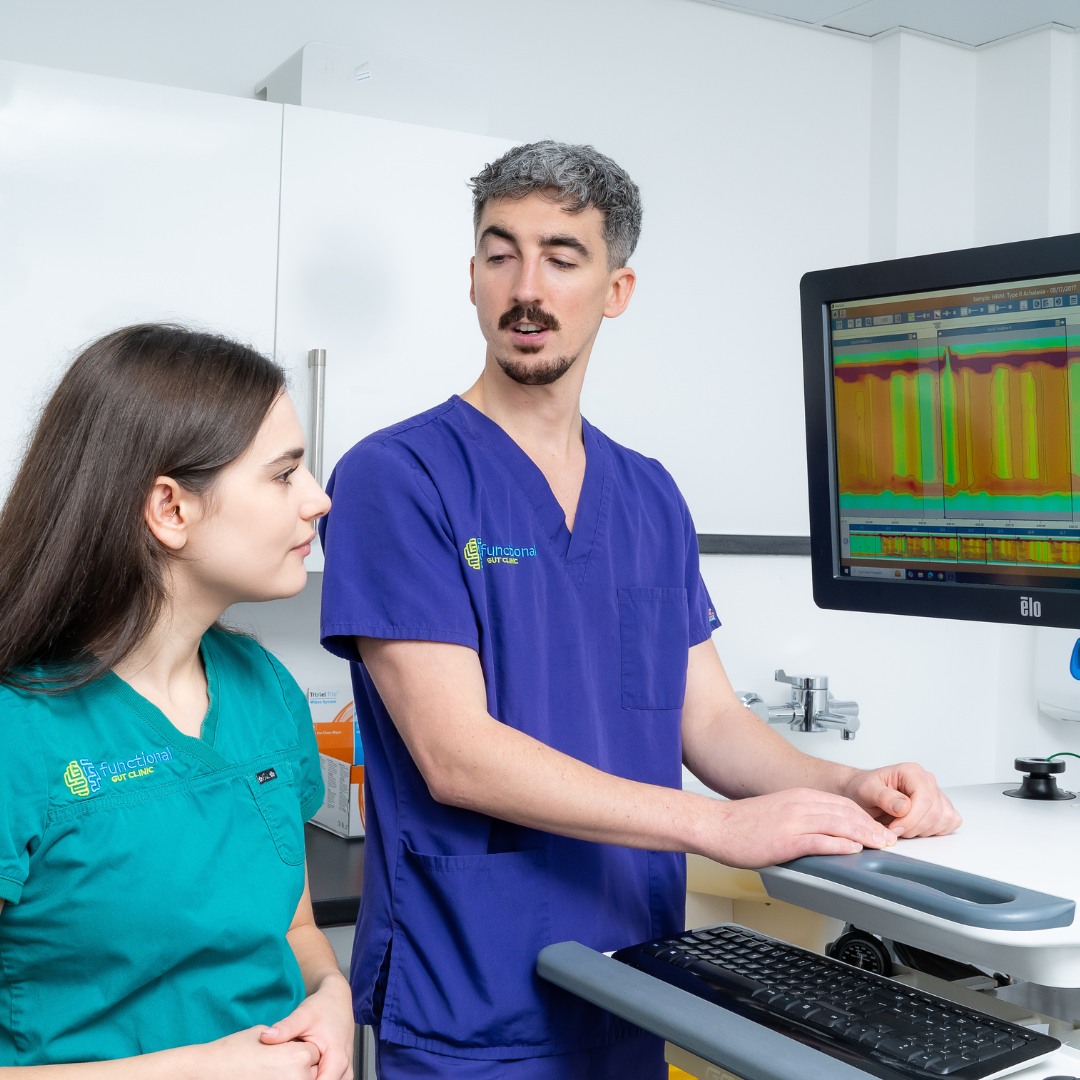
At the Functional Gut Clinic, we can run the following tests to diagnose the causes of bloating:
Gastric emptying test– which measures how quickly food leaves your stomach
Carbohydrate malabsorption breath test– which finds out if you have certain food intolerances (lactose or fructose)
Small intestinal bacterial overgrowth (SIBO) breath test– which finds out if you have an overgrowth of bacteria in your small intestine (called SIBO)
Oesophageal manometry– which measures the function of your oesophagus (food pipe)
24-hour pH impedance monitoring– which looks at whether you have any reflux
Colonic transit study-a non-invasive test which looks at how long it takes for faeces to pass through your bowl
Learn more about bloating
Incomplete Bowel Emptying and Straining with IBS-C
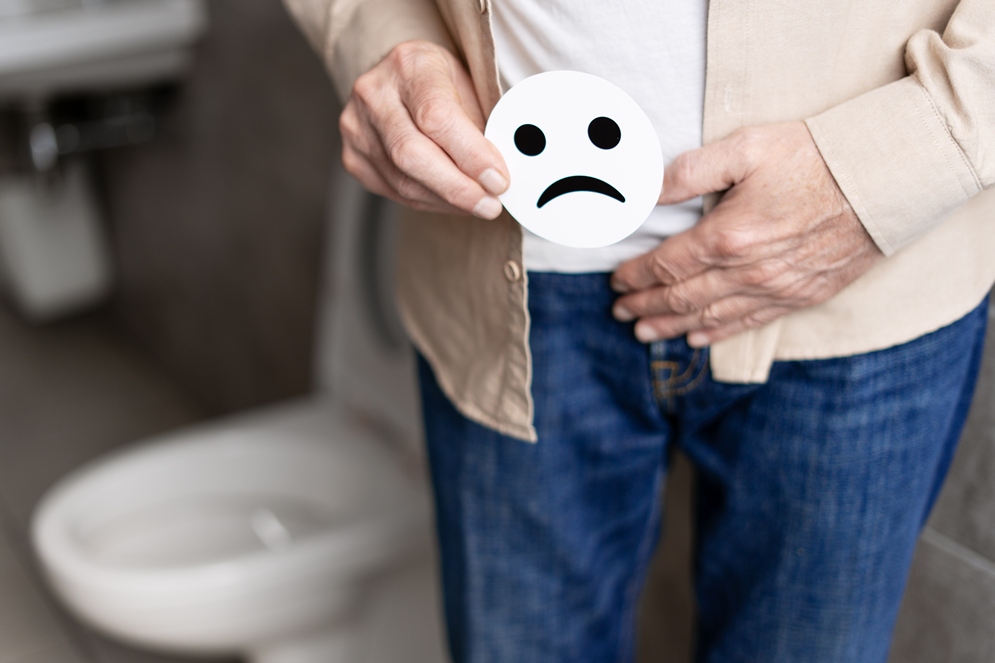
It’s quietly frustrating leaving the toilet despite still feeling like you need to go. You can sit and wait and strain, but nothing comes. That feeling of incomplete bowel emptying and straining are common complaints among people with IBS with constipation (IBS-C).
The reasons behind the sensation are simple. Hard stools, rectal sensitivity, and problems coordinating the pelvic floor muscles may all be explanations. But there are things you can do to help relieve the problem, and that doesn’t include straining harder.
Below, we explore what can help, including the latest research through our IBS-C clinical trial. However, if you experience rectal bleeding, unexplained weight loss, or a persistent change in bowel habits, speak to your GP for further assessment.
Why Does IBS-C Cause Incomplete Bowel Emptying?
Hard Stools That Are Difficult to Pass
Hard stools are characteristic of constipation. They’re firm and dry, making them difficult and even painful to pass. Even after a bowel movement, part of the stool can remain in the rectum.
That’s why you feel the uncomfortable sensation that you still need to go. Because technically you do.
Dyssynergic Defecation and Pelvic Floor Muscles
Dyssynergic defecation sounds complicated, but the principle is simple. Normally, the pelvic floor and anal sphincter muscles relax to let the stool pass while the abdominal muscles help push it out.
Everything must coordinate perfectly for a normal bowel movement.
Except, in some people with IBS-C, these muscles don’t coordinate properly. In fact, the anal muscles can tighten rather than relax, meaning that no matter how hard you push, it doesn’t make any difference.
Think of it as trying to push something through a door that’s partially closed.
Rectal Sensitivity and Tenesmus
IBS often alters how sensations within the rectum are perceived. You might have gone to the toilet fine. There might be little or no stool remaining. However, if you’ve got rectal sensitivity (tenesmus), it can feel like you still need to go.
This is important as it isn’t the same as incomplete evacuation and can occur with other conditions, including rectal inflammation.
Why Does Straining to Poo Make Things Worse?
Straining feels like your only option when you’ve spent the past 10 minutes sitting patiently on the toilet. Unfortunately, straining can make things worse.
Straining increases pressure in the abdomen by contracting the abdominal muscles. However, if the pelvic floor muscles fail to relax, it won’t make any difference. In fact, it can aggravate haemorrhoids or contribute to further pelvic floor problems.
People with IBS-C often get stuck in a cycle of incomplete emptying, straining, and further incomplete emptying.
How to Reduce Straining and Empty Your Bowels More Easily
Improve Your Toilet Position
We’re not designed to defecate on a toilet. Originally, we’d squat, bringing our knees above our hips. This straightens the bowel and allows faeces to pass more easily.
Using a small footstool can help in the same way. Lean forward slightly and rest the elbows on the thighs, thereby improving the angle of the anorectal passage.
Breathe gently, relax, and allow your rectum to do the work.
Avoid Forcing a Bowel Movement
Go when you feel the urge rather than repeatedly trying to force a bowel movement. Don’t spend long periods sitting on the toilet. If nothing happens after several minutes, get up and try again later.
Keep Your Stools Soft
The easiest solution is to soften your stools. Drinking plenty of water and eating soluble fibre can make stools less hard and firm. Laxatives can also be prescribed by a GP. That said, softer stools won’t necessarily resolve symptoms caused by pelvic floor dysfunction.
When Should You Ask for a Pelvic Floor Assessment?
Most doctors will recommend laxatives and lifestyle changes when first treating IBS-C. However, if you still experience incomplete bowel emptying and straining despite improvements in stool consistency, it’s worth investigating pelvic floor dysfunction.
There are two main tests that can help identify the problem:
Anorectal manometry: Measures the pressure and coordination of the anal muscles, alongside rectal sensitivity. It can help identify whether the muscles are relaxing properly during bowel movements.
Proctography or defaecography: Uses imaging to assess how the rectum and pelvic floor function during emptying. It can identify structural or functional problems that prevent stool from passing normally.
Can Biofeedback Help with Incomplete Emptying?
If dyssynergic defecation is identified, biofeedback therapy can help retrain the pelvic floor muscles.
It involves guided exercises and feedback to help you learn how to relax and coordinate the muscles during bowel movements. Research has shown that it can improve symptoms in people with dyssynergic defecation.
Find Out More About IBS-C Research
IBS-C can be difficult to manage, particularly when conventional treatments don't provide enough relief. That's why researchers are continuing to investigate new treatment options.
At The Functional Gut Clinic, we're involved in research exploring potential treatments for IBS-C.
Explore our IBS-C clinical trial to learn more about the study and find out whether you could be eligible to participate.
Feel free to read the next article: Fibre and IBS-C: Why More Fibre Can Make Constipation Worse

Hear from people we’ve helped, just like you.
"Very professional while welcoming and friendly"
"The manner and demeanour of all staff from reception to people carrying out the test was very professional but welcoming and friendly. Atmosphere is very relaxed and all instructions clear and concise."
London Patient

"Highly recommend this"
"Thanks to Dr Hobson and everyone at the Functional Gut Clinic. The whole team is very kind and generous and they are doing things that are cutting edge and they actually get results."
Manchester Patient
"Highly recommend this"
"After stopping my lansoprazole, every time I had a warm drink, I could feel it burn all the way down to my stomach. Thank you to Sam for making me feel at ease." - Manchester Patient
"My experience could not be better"
"Pleasant and knowledgeable staff that made the experience more enjoyable than it should be!" - London Patient
"Very friendly and knowledgeable"
"An excellent service from beginning to end. I would recommend to anyone who was considering having testing done. Very friendly and knowledgeable!" - Manchester Patient
"Very kind and helpful"
"It was also great to have time to talk to the clinicians – very important when you have problems. Reception staff also very kind and helpful." - Manchester Patient
Are you experiencing any other symptoms
Symptoms are often closely connected. Find out more below.
Reflux
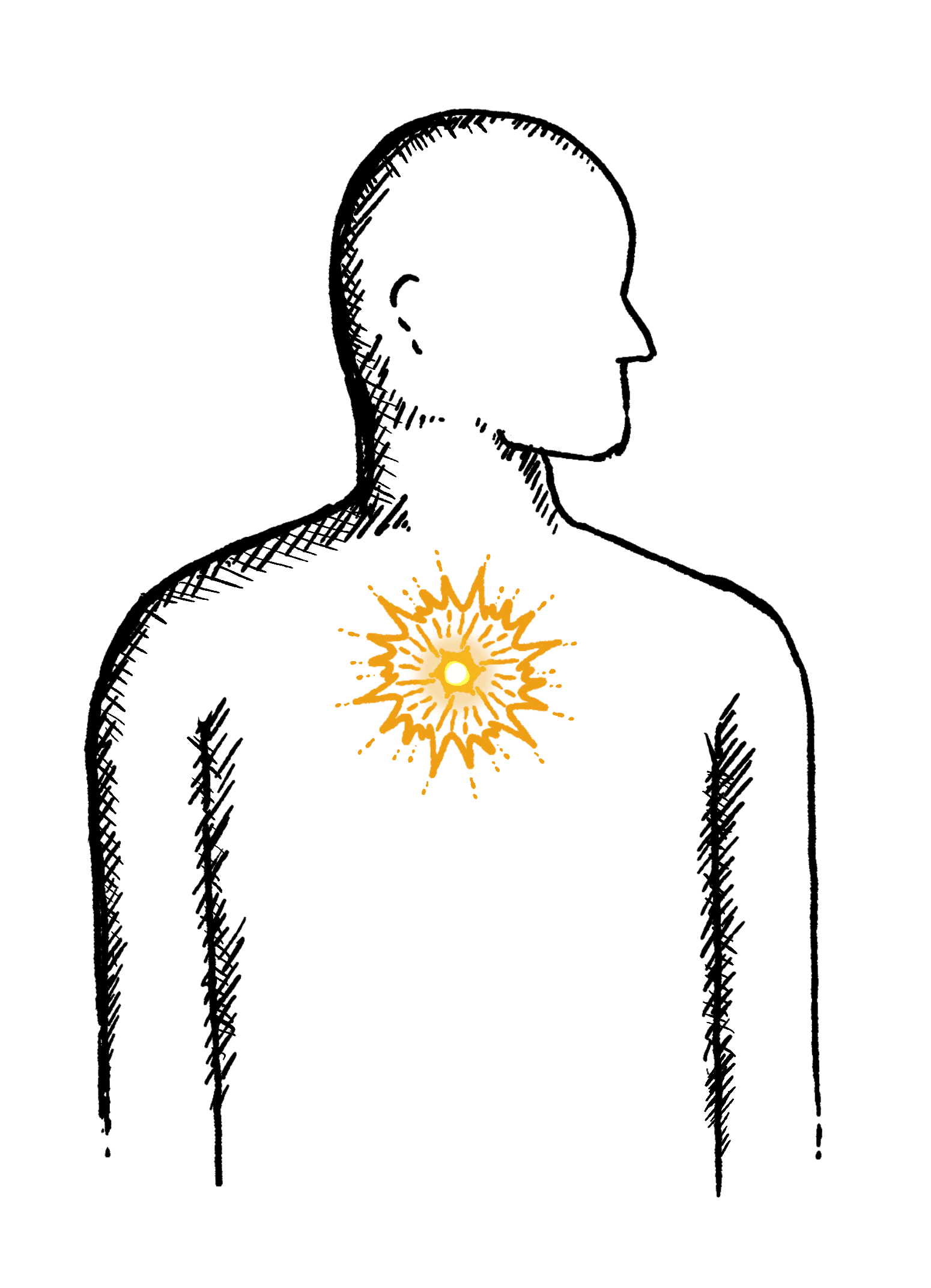
Burning mid-chest, worse when bending or lying down
Constipation
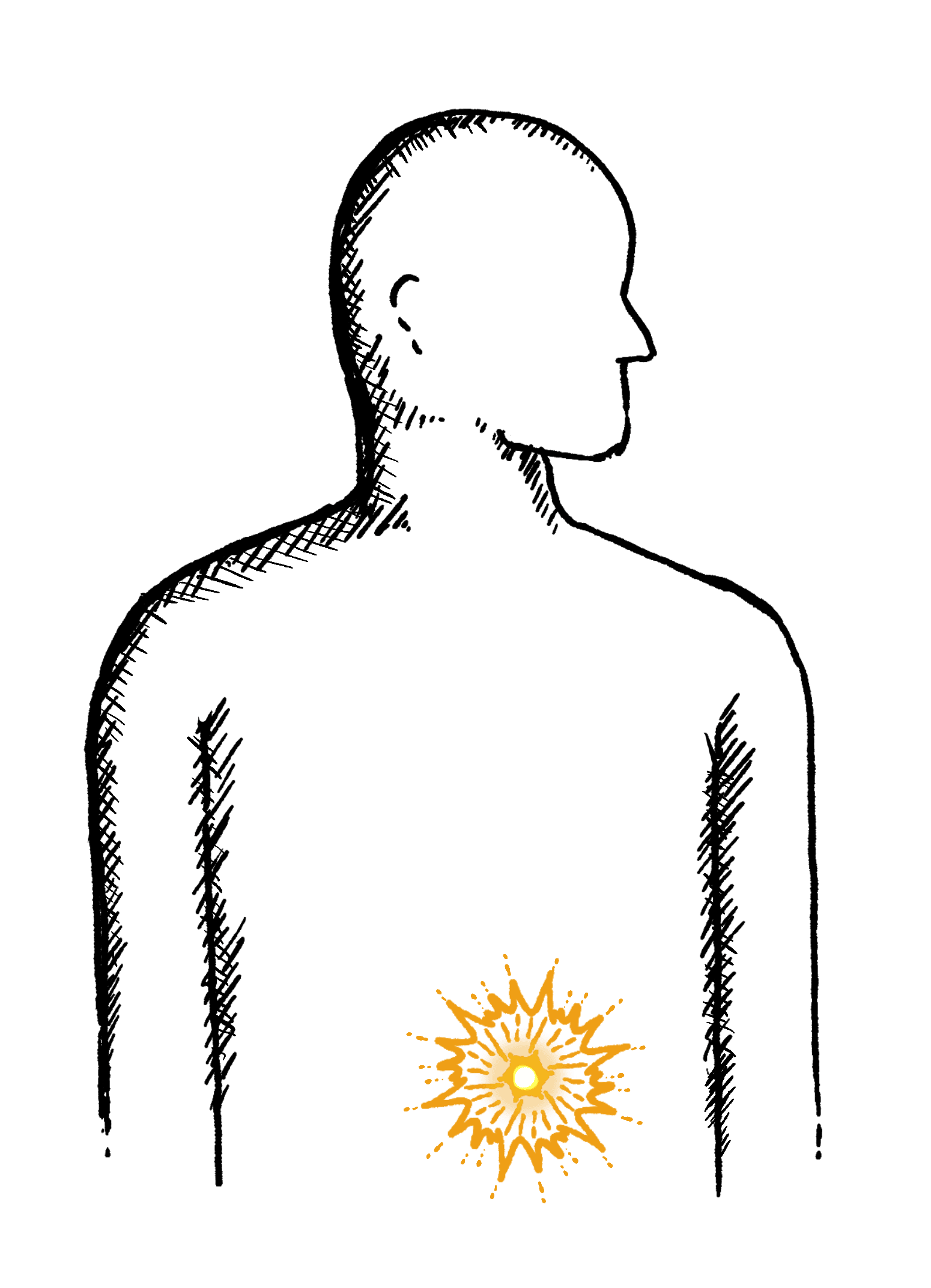
Difficulty going to the toilet, unusual stools, often with stomach ache or intestinal cramps, bloating, nausea or appetite loss
Heartburn
A burning pain in your chest, just behind your breastbone.
The pain is often worse after eating...
Regurgitation
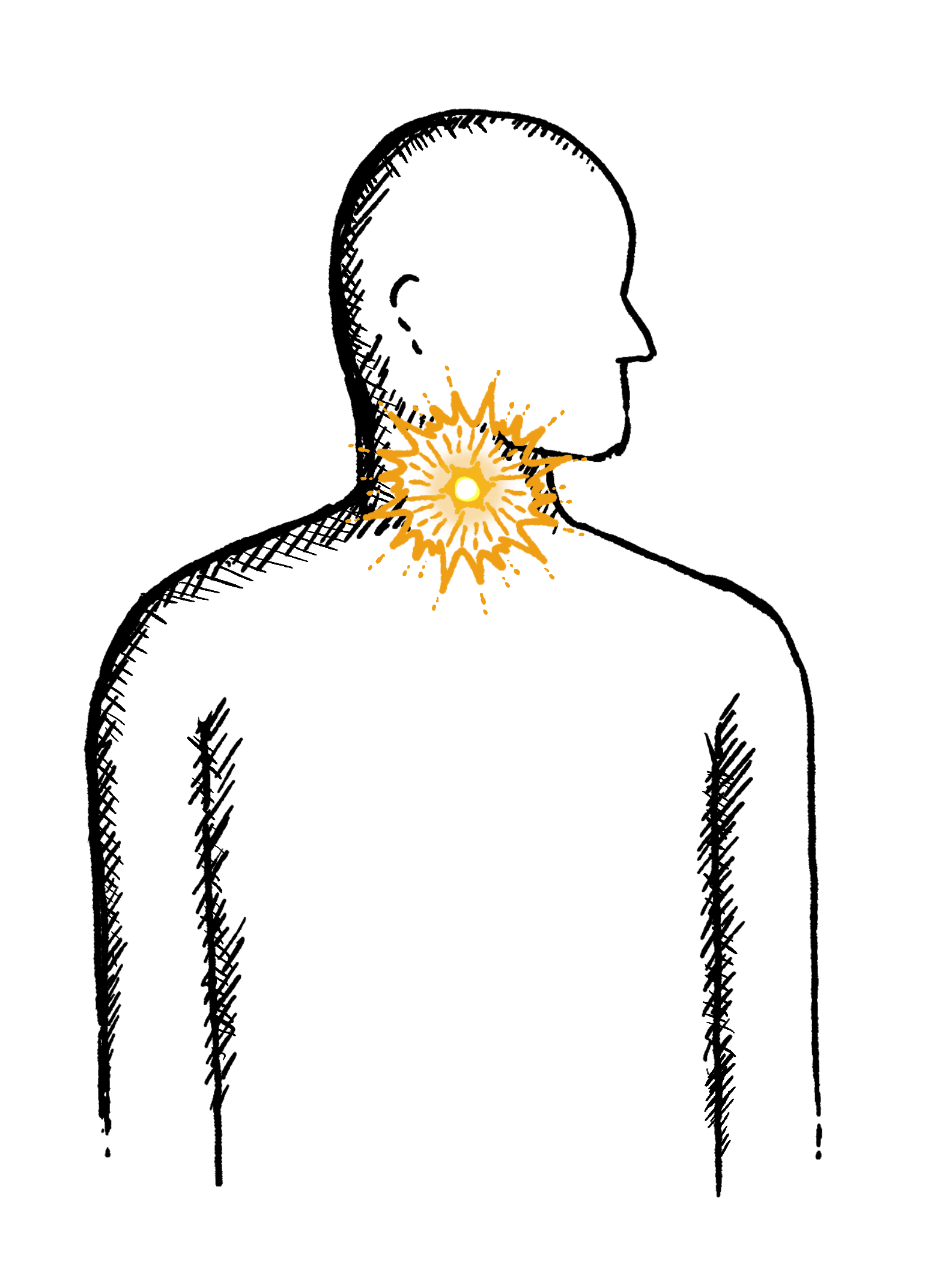
Bringing food or drink back up, difficulty swallowing, feeling that food or drink is stuck in your throat, horrible taste in your mouth
Swallowing Issues
Dysphagia - difficulty swallowing, feeling that food or drink is stuck in your throat, horrible taste in your mouth
Diarrhoea
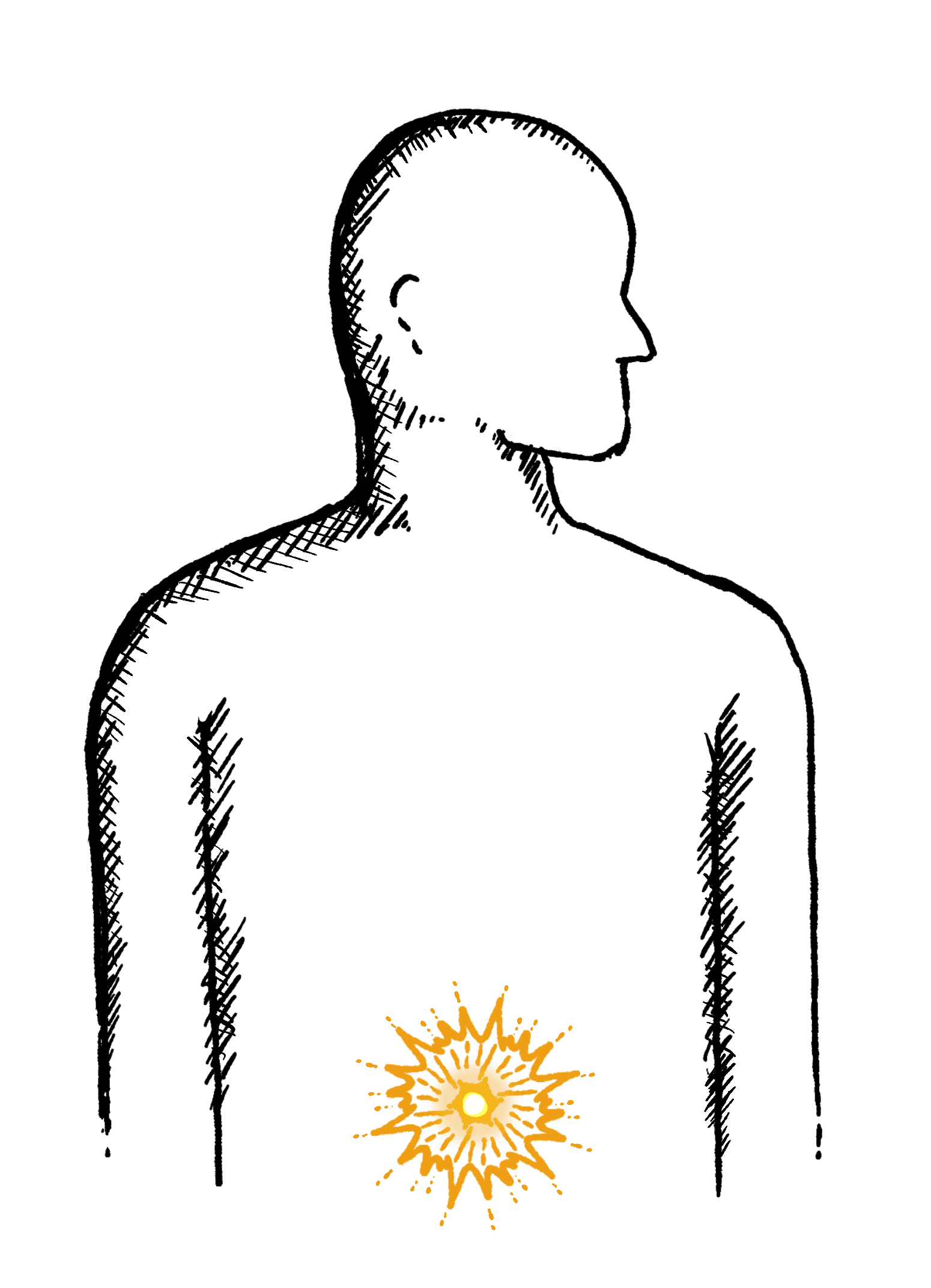
Loose or explosive stools, can’t get to a toilet in time
Abdominal Pain
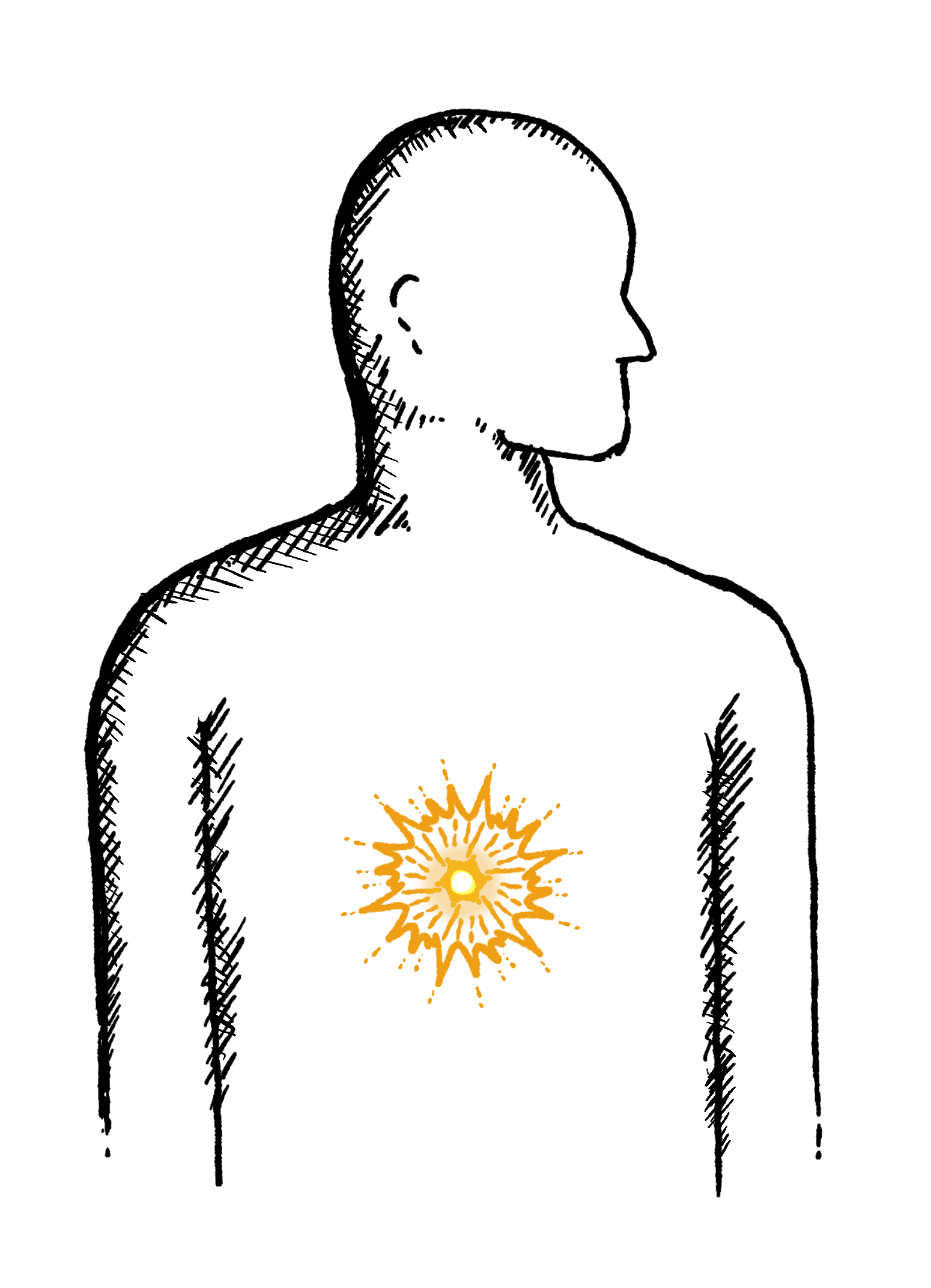
Cramps; sharp or dull pain, Bloating, Excessive belching, Nausea or vomiting
Faecal Incontinence
Stools leak unexpectedly, Can’t get to a toilet in time
IBS
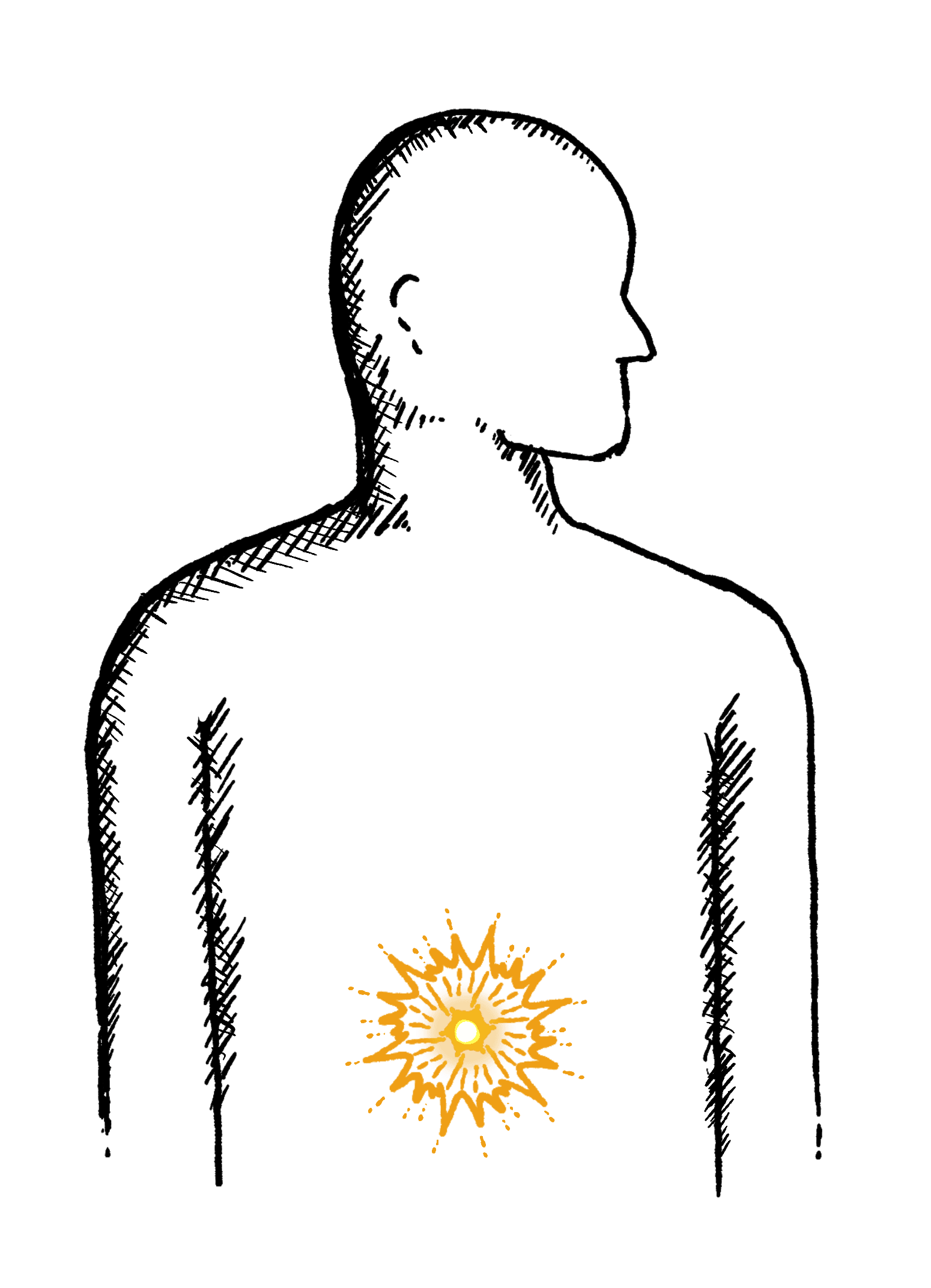
Abdominal pain or cramping, bloating, changes in bowel habits and urgency, gas
HEALTH ASSESSMENT
WHO WE ARE
HOW WE HELP YOU
LEARN
SUPPORT
FOLLOW US
© Copyright The Functional Gut Group 2026