
Bloating
Struggling with bloating? Here’s what you need to know to find relief.
ALL TEST ARE ACCREDITED & REGULATED BY



What is bloating?
When you’re bloated, your stomach or abdomen can feel full and uncomfortable, or even painful.
This bloating happens when your gastrointestinal tract contains too much gas or air. Bloating can be mild, or more severe, and may present as:
– A visibly distended or swollen abdomen
– Feeling very full and uncomfortable
– Feeling of tightness in the abdomen
– Excess gas – belching and/or flatulence
– Rumbling or gurgling
There are several causes of bloating, so it’s important to diagnose the cause of your bloating and find out why it’s happening to you.

Why does bloating happen?
Prolonged periods of bloating could indicate an underlying health problem, if so you should see your GP.
Possible causes can include:
Irritable bowel syndrome (IBS diagnosis)
Ulcerative colitis, a form of inflammatory bowel disease (IBD), where the inner lining of the large bowel is inflamed and develops ulcers
Crohn’s disease, the other form of IBD, where some parts of your colon are inflamed
Too much bacteria in your small intestine (called small intestinal bacterial overgrowth, or SIBO)
Gastroesophageal reflux disease
Food intolerances, especially lactose or fructose intolerance
Producing too much gas (dysbiosis and fermentation)
Weight gain
Stress or anxiety
Delays in your food and drink moving on from your stomach (called gastroparesis)
Eating too quickly, so that you swallow too much air (called aerophagia)
Diagnosing bloating
Feeling bloated is no fun, but once you know what’s going on you can start to manage your symptoms and the underlying causes.
Testing options:
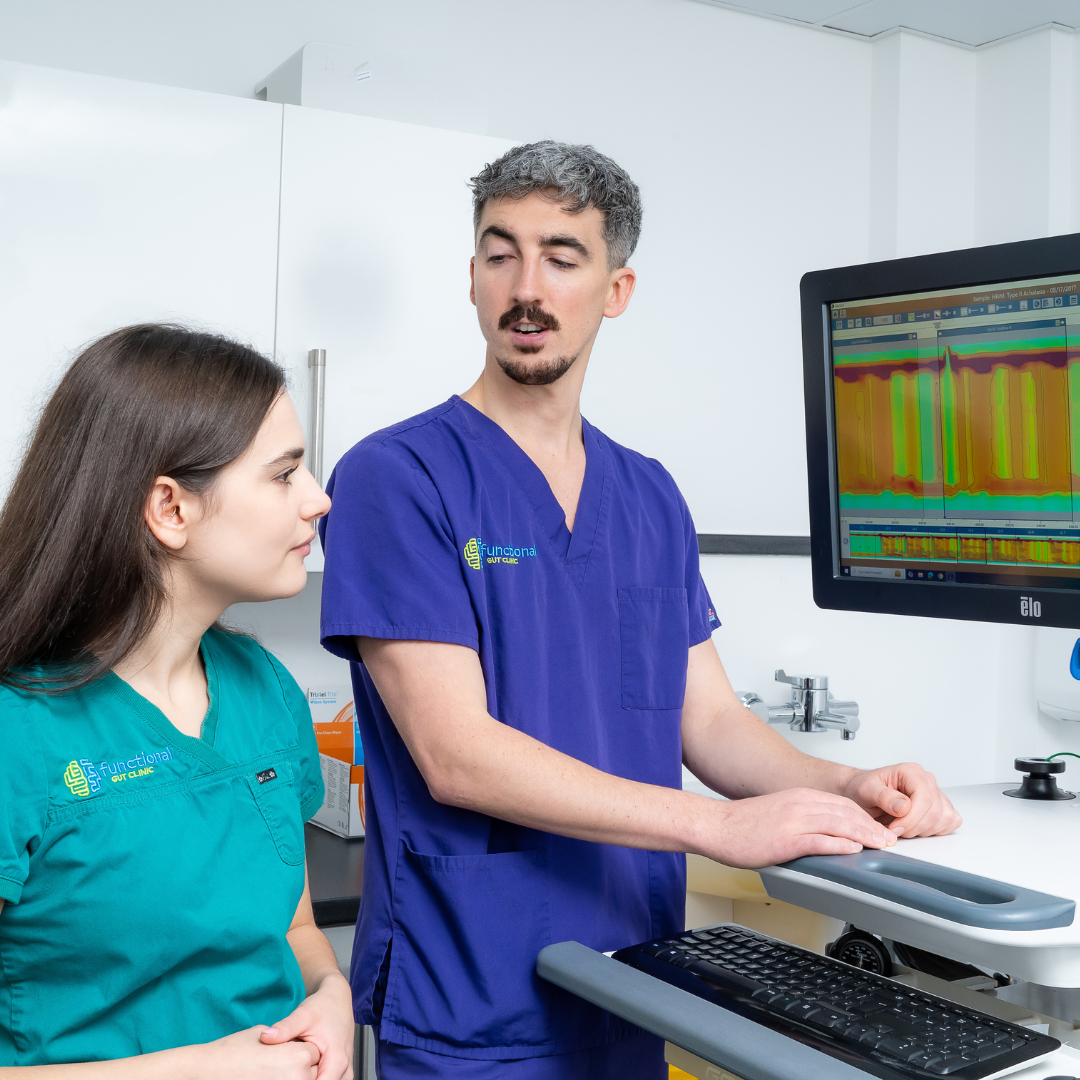
At the Functional Gut Clinic, we can run the following tests to diagnose the causes of bloating:
Gastric emptying test– which measures how quickly food leaves your stomach
Carbohydrate malabsorption breath test– which finds out if you have certain food intolerances (lactose or fructose)
Small intestinal bacterial overgrowth (SIBO) breath test– which finds out if you have an overgrowth of bacteria in your small intestine (called SIBO)
Oesophageal manometry– which measures the function of your oesophagus (food pipe)
24-hour pH impedance monitoring– which looks at whether you have any reflux
Colonic transit study-a non-invasive test which looks at how long it takes for faeces to pass through your bowl
Learn more about bloating
Probiotics for IBS: Do They Work and Which Strains Help?
Probiotics are everywhere at the moment. Many people try probiotics, believing they help IBS without understanding which strain, dose, or symptom they are supposed to help.
Probiotics are foods or supplements that contain live bacteria. These microbes are similar to the ones living in your gut microbiome. It’s believed that by restoring a healthy gut microbiome, you can relieve IBS symptoms like bloating, abdominal pain, and bowel changes.
But is this true? Do probiotics help IBS? And are some strains better than others? Find out below.
Why Probiotics Might Help IBS
Irritable bowel syndrome (IBS) is linked to gut sensitivity, altered motility, immune signalling, and changes in gut-brain communication. All these effects are partly mediated by the gut microbiome (the microbial community living in your gut).
Probiotics can influence the bacterial balance, reduce gas production, and support the gut barrier. Certain species can even soothe inflammation and influence pain signalling.
That said, probiotics aren’t an automatic cure. But they may prove effective in some individuals, depending on the strain, dose, and person.
What Does the Evidence Say?
Anyone can claim that probiotics improve IBS. But with dozens of potential strains, the evidence can be mixed. Here’s what some of the evidence indicates:
Probiotics may help IBS, but the evidence is mixed. NICE says people with IBS can try probiotics for at least four weeks, while the American College of Gastroenterology suggests against them for global IBS symptoms because the evidence is of very low quality.
The strain matters more than the word “probiotic”. One trial found Bifidobacterium infantis 35624 improved pain, bloating, bowel dysfunction, straining, and gas, but only at a specific dose.
Some strains may help with pain and bloating. A placebo-controlled trial found Lactobacillus plantarum 299v improved abdominal pain and bloating after four weeks.
Indeed, these two strains, Bifidobacterium infantis 35624 and Lactobacillus plantarum 299v, are the most studied for overall IBS symptoms. Other potentially beneficial species include Bifidobacterium bifidum, Saccharomyces cerevisiae, and Bacillus coagulans but the specific strains need to be identified.
Are Probiotics Better for IBS-D, IBS-C, or Bloating?
IBS isn’t a single condition. It’s categorised into three sub-types: IBS with diarrhoea, IBS with constipation, and mixed. Not every strain is suitable for all types of IBS.
For people who experience bloating and gas, Bifidobacterium bifidum may be worth considering. It’s found in some fermented foods like yoghurt, kefir, and sauerkraut. Supplements are also available.
For IBS-D, Lactobacillus plantarum is supported by the latest research. It’s found in yoghurt and sauerkraut. The bacterium also appears to help with bloating.
For IBS-C, no specific strain has yet been identified. In one meta-analysis of 10 studies, probiotics were believed to reduce constipation. However, the quality of research was questioned.
How Long Should You Try a Probiotic?
Probiotics don’t work overnight. It can take days or weeks to notice the effects. A fair trial usually means taking one probiotic consistently for at least 4 weeks, while tracking symptoms. Some guidelines even suggest trying the probiotic for up to 12 weeks, then stopping if there is no clear improvement.
You’ll want to have a clear way to track symptoms, so you can compare results over time. Here are some things to track:
Bloating
Pain
Stool frequency
Stool consistency
Urgency
Side effects
Avoid adding multiple probiotics at once. It can irritate the bowel, and it makes it impossible to know what helped or worsened symptoms.
What Makes a Good IBS Probiotic?
The best probiotics for IBS are clear, evidence-based, and contain no filler ingredients. Look for a clearly named strain, not just species. It should list how many CFUs (colony-forming units) and how long it lasts. There should be minimal additional ingredients.
All probiotics are required to follow Good Manufacturing standards. Ideally, there will also be human IBS studies behind the supplement or a particular strain. This makes it more likely that the product is relevant to IBS symptoms.
Be wary of vague “gut health” claims, very high CFU counts with no explanation, or products that include added ingredients such as inulin, FOS, sweeteners, or lactose, which may worsen symptoms in some people with IBS.
Still Struggling with IBS Symptoms?
Probiotics are worth trying for IBS. However, they’re not a complete answer for everyone. If your symptoms are persistent, unpredictable, or affecting your confidence around food, IBS may not be the only explanation.
IBS symptoms can overlap with SIBO, bile acid diarrhoea, coeliac disease, inflammatory bowel disease, lactose intolerance, post-infectious IBS, or pelvic floor dysfunction.
The Functional Gut Clinic provides access to a range of testing options to help you understand what’s going on in your bowel. We provide expert analysis of the results and send a copy to your doctor, who can advise you on any necessary treatments or further investigations.

Hear from people we’ve helped, just like you.
"Very professional while welcoming and friendly"
"The manner and demeanour of all staff from reception to people carrying out the test was very professional but welcoming and friendly. Atmosphere is very relaxed and all instructions clear and concise."
London Patient

"Highly recommend this"
"Thanks to Dr Hobson and everyone at the Functional Gut Clinic. The whole team is very kind and generous and they are doing things that are cutting edge and they actually get results."
Manchester Patient
"Highly recommend this"
"After stopping my lansoprazole, every time I had a warm drink, I could feel it burn all the way down to my stomach. Thank you to Sam for making me feel at ease." - Manchester Patient
"My experience could not be better"
"Pleasant and knowledgeable staff that made the experience more enjoyable than it should be!" - London Patient
"Very friendly and knowledgeable"
"An excellent service from beginning to end. I would recommend to anyone who was considering having testing done. Very friendly and knowledgeable!" - Manchester Patient
"Very kind and helpful"
"It was also great to have time to talk to the clinicians – very important when you have problems. Reception staff also very kind and helpful." - Manchester Patient
Are you experiencing any other symptoms
Symptoms are often closely connected. Find out more below.
Reflux
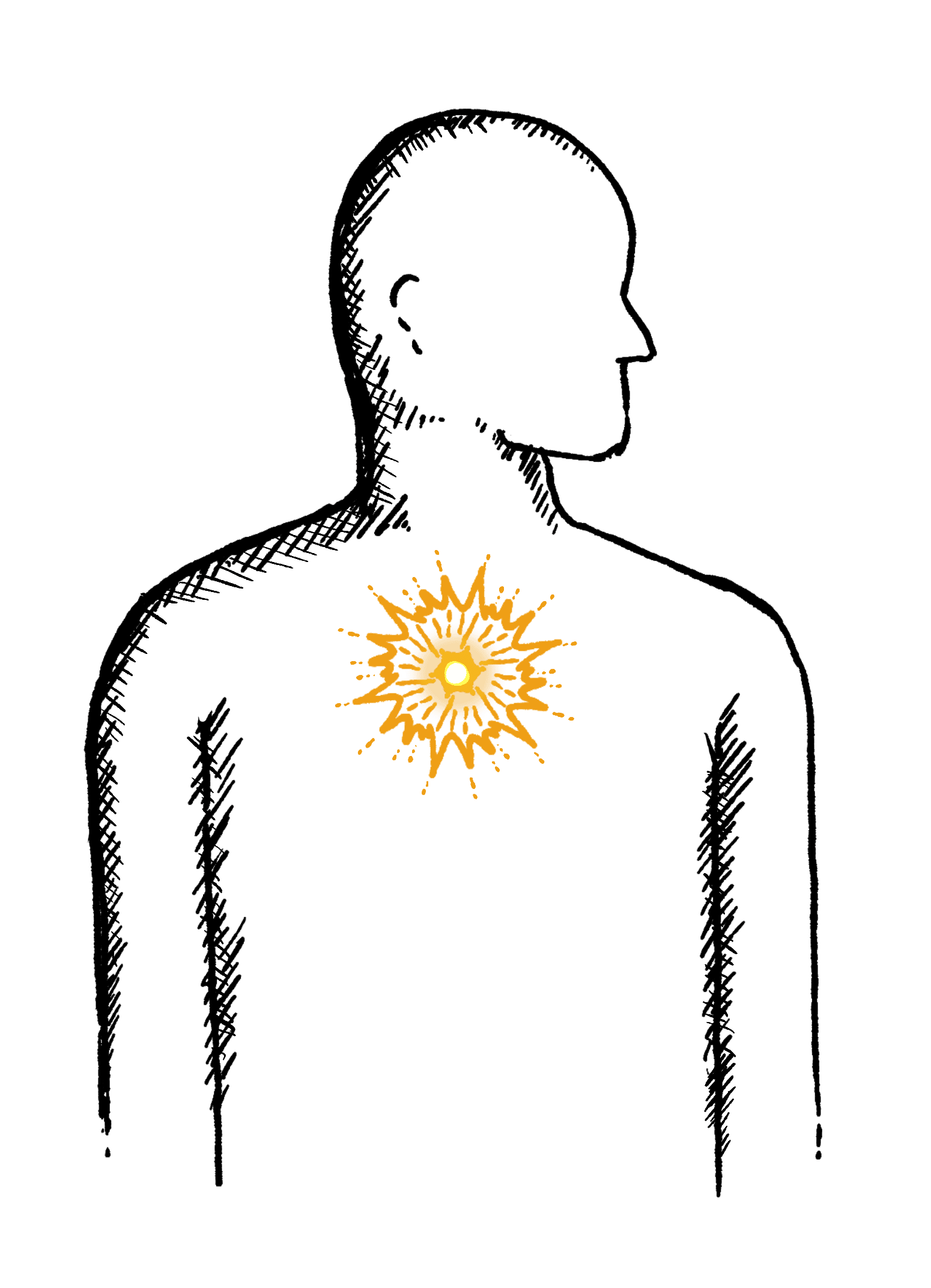
Burning mid-chest, worse when bending or lying down
Constipation
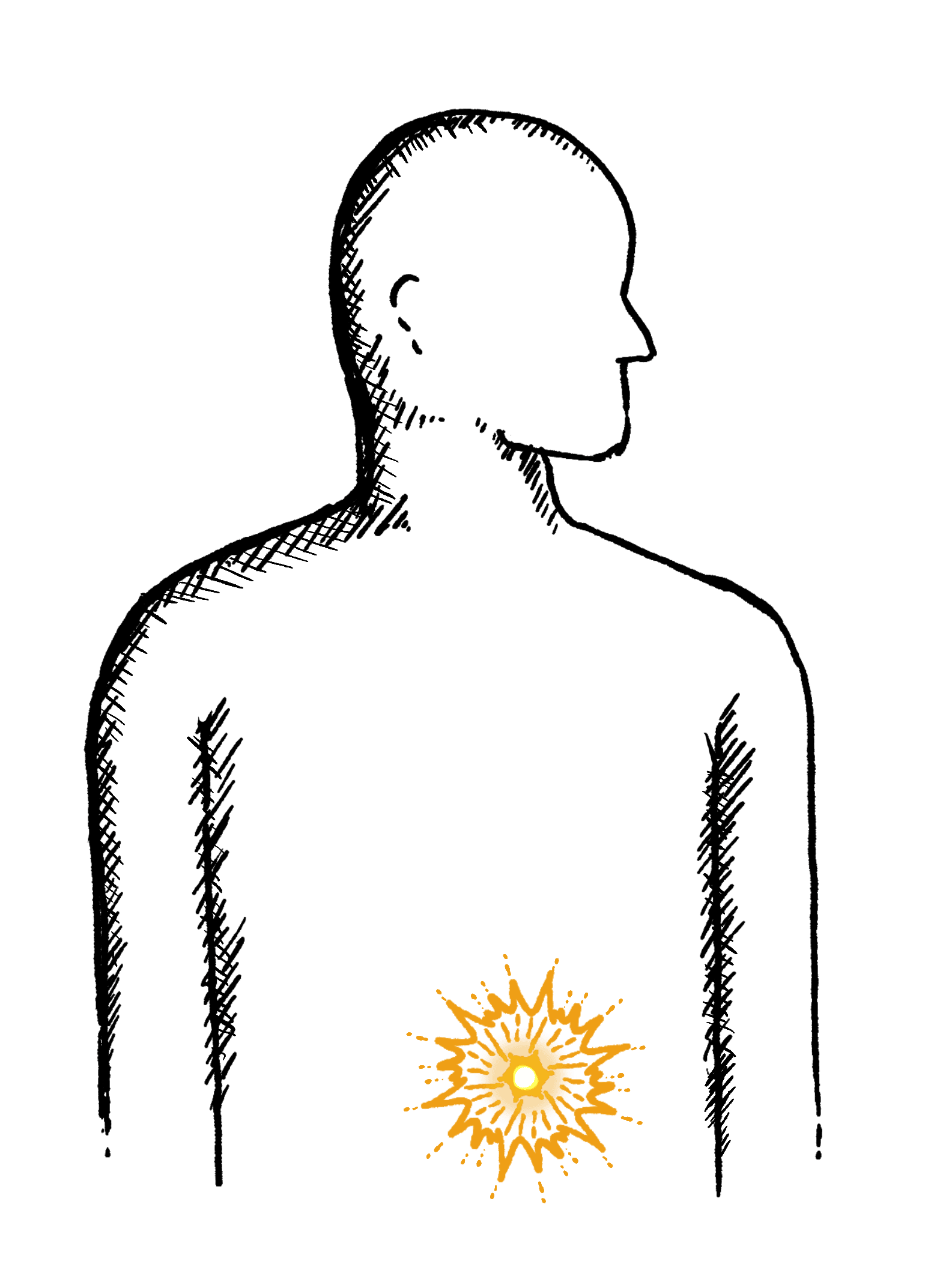
Difficulty going to the toilet, unusual stools, often with stomach ache or intestinal cramps, bloating, nausea or appetite loss
Heartburn
A burning pain in your chest, just behind your breastbone.
The pain is often worse after eating...
Regurgitation
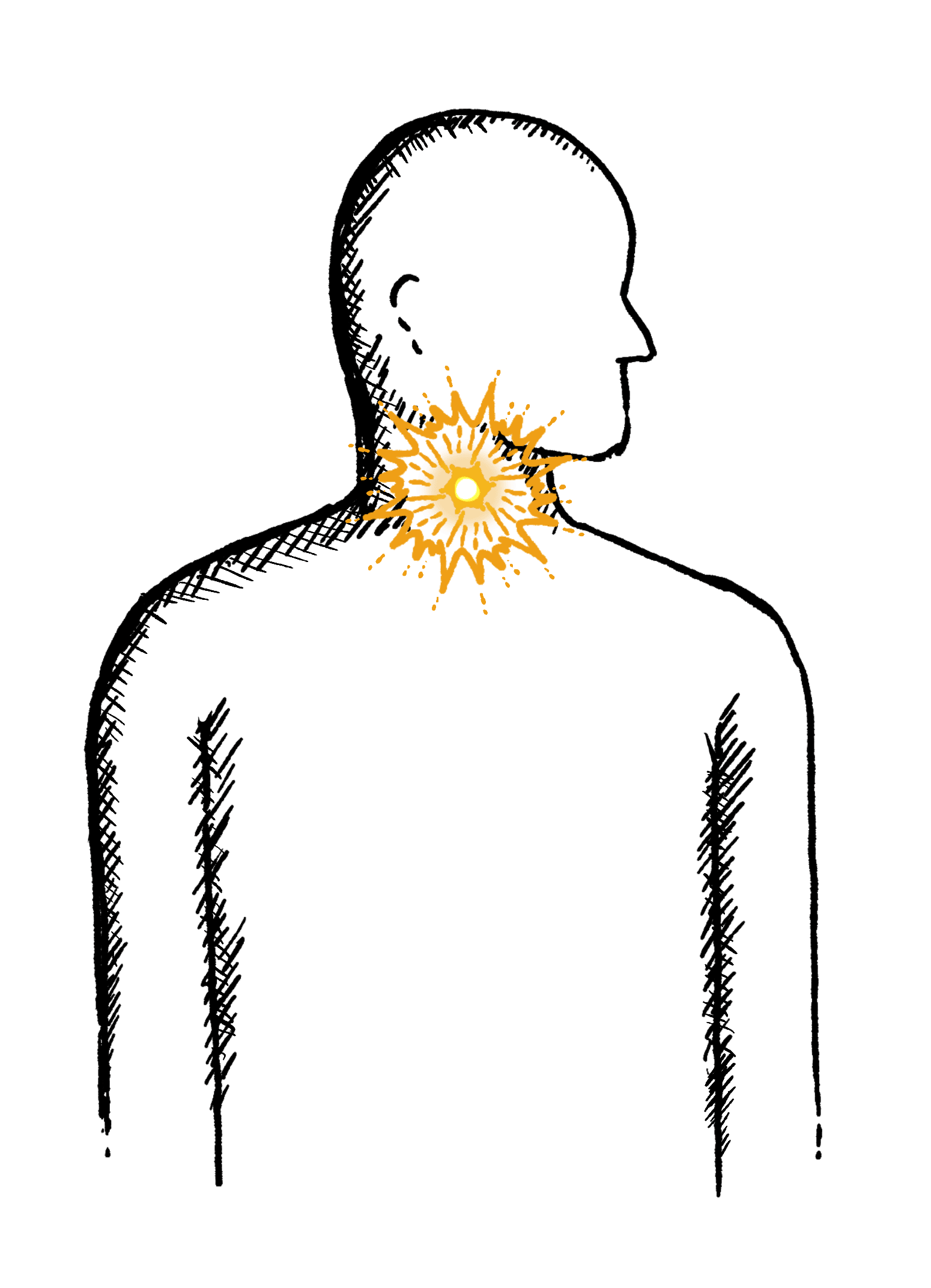
Bringing food or drink back up, difficulty swallowing, feeling that food or drink is stuck in your throat, horrible taste in your mouth
Swallowing Issues
Dysphagia - difficulty swallowing, feeling that food or drink is stuck in your throat, horrible taste in your mouth
Diarrhoea
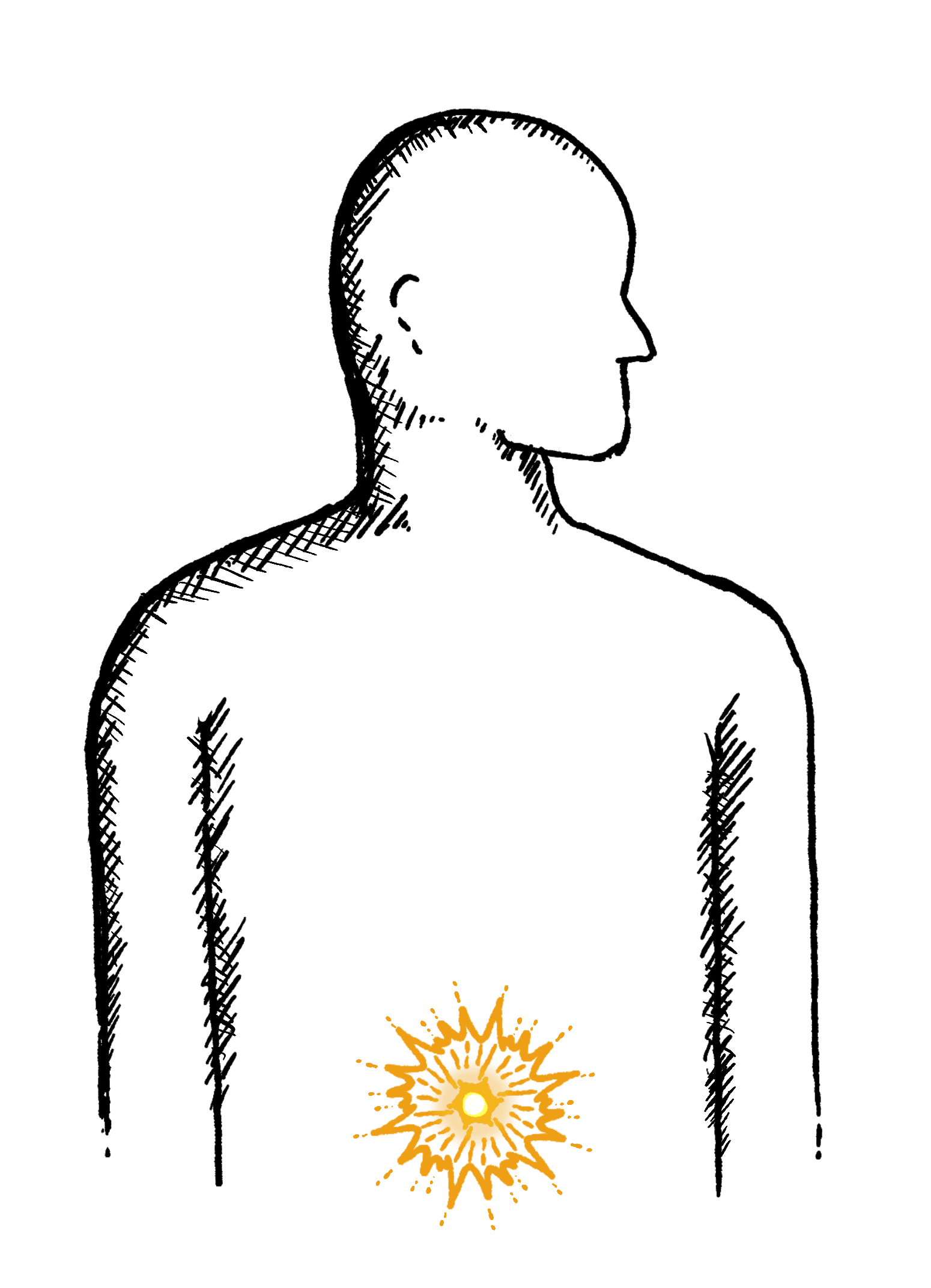
Loose or explosive stools, can’t get to a toilet in time
Abdominal Pain

Cramps; sharp or dull pain, Bloating, Excessive belching, Nausea or vomiting
Faecal Incontinence
Stools leak unexpectedly, Can’t get to a toilet in time
IBS
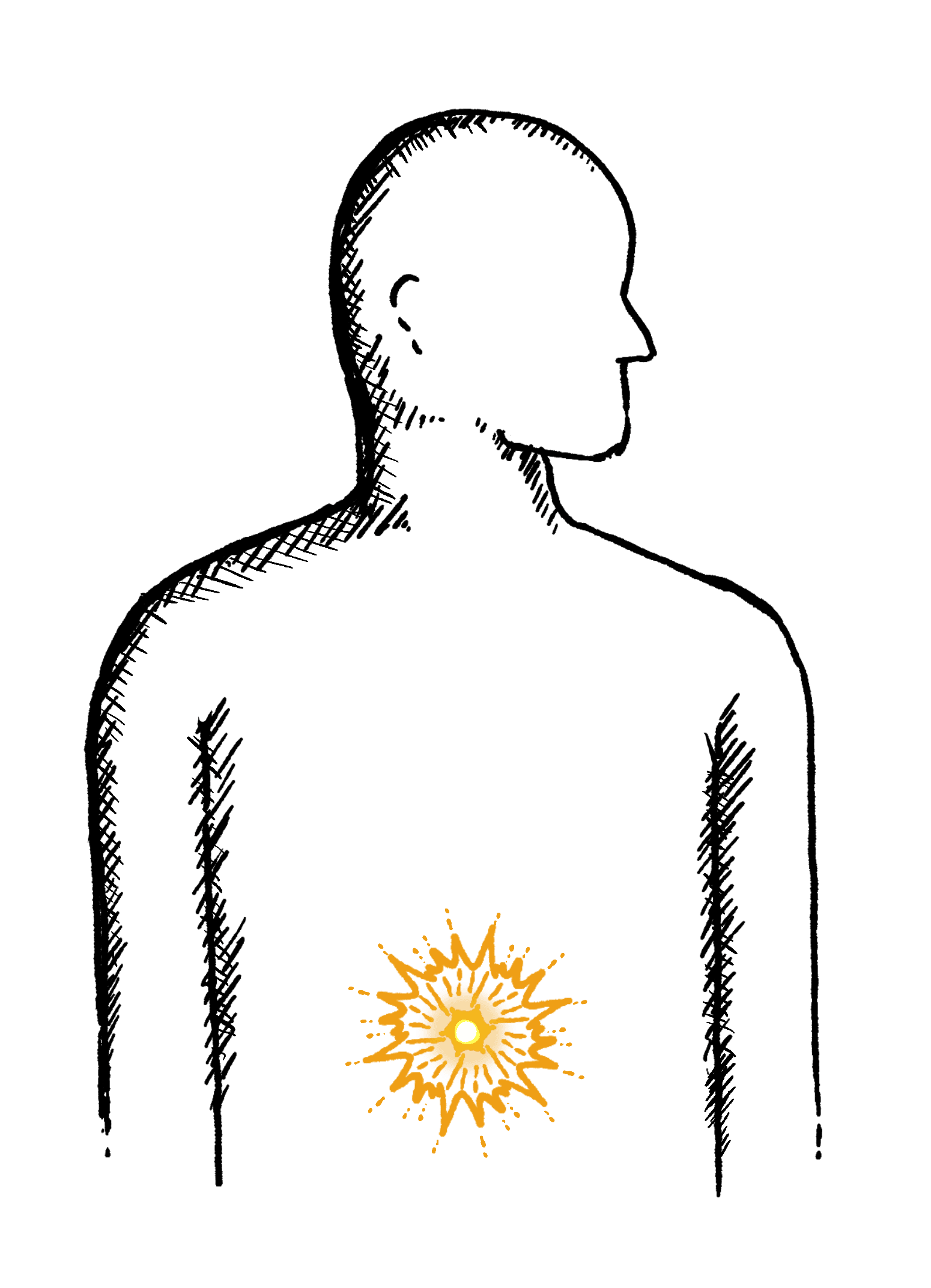
Abdominal pain or cramping, bloating, changes in bowel habits and urgency, gas
HEALTH ASSESSMENT
WHO WE ARE
HOW WE HELP YOU
LEARN
SUPPORT
FOLLOW US
© Copyright The Functional Gut Group 2026