
Bloating
Struggling with bloating? Here’s what you need to know to find relief.
ALL TEST ARE ACCREDITED & REGULATED BY



What is bloating?
When you’re bloated, your stomach or abdomen can feel full and uncomfortable, or even painful.
This bloating happens when your gastrointestinal tract contains too much gas or air. Bloating can be mild, or more severe, and may present as:
– A visibly distended or swollen abdomen
– Feeling very full and uncomfortable
– Feeling of tightness in the abdomen
– Excess gas – belching and/or flatulence
– Rumbling or gurgling
There are several causes of bloating, so it’s important to diagnose the cause of your bloating and find out why it’s happening to you.

Why does bloating happen?
Prolonged periods of bloating could indicate an underlying health problem, if so you should see your GP.
Possible causes can include:
Irritable bowel syndrome (IBS diagnosis)
Ulcerative colitis, a form of inflammatory bowel disease (IBD), where the inner lining of the large bowel is inflamed and develops ulcers
Crohn’s disease, the other form of IBD, where some parts of your colon are inflamed
Too much bacteria in your small intestine (called small intestinal bacterial overgrowth, or SIBO)
Gastroesophageal reflux disease
Food intolerances, especially lactose or fructose intolerance
Producing too much gas (dysbiosis and fermentation)
Weight gain
Stress or anxiety
Delays in your food and drink moving on from your stomach (called gastroparesis)
Eating too quickly, so that you swallow too much air (called aerophagia)
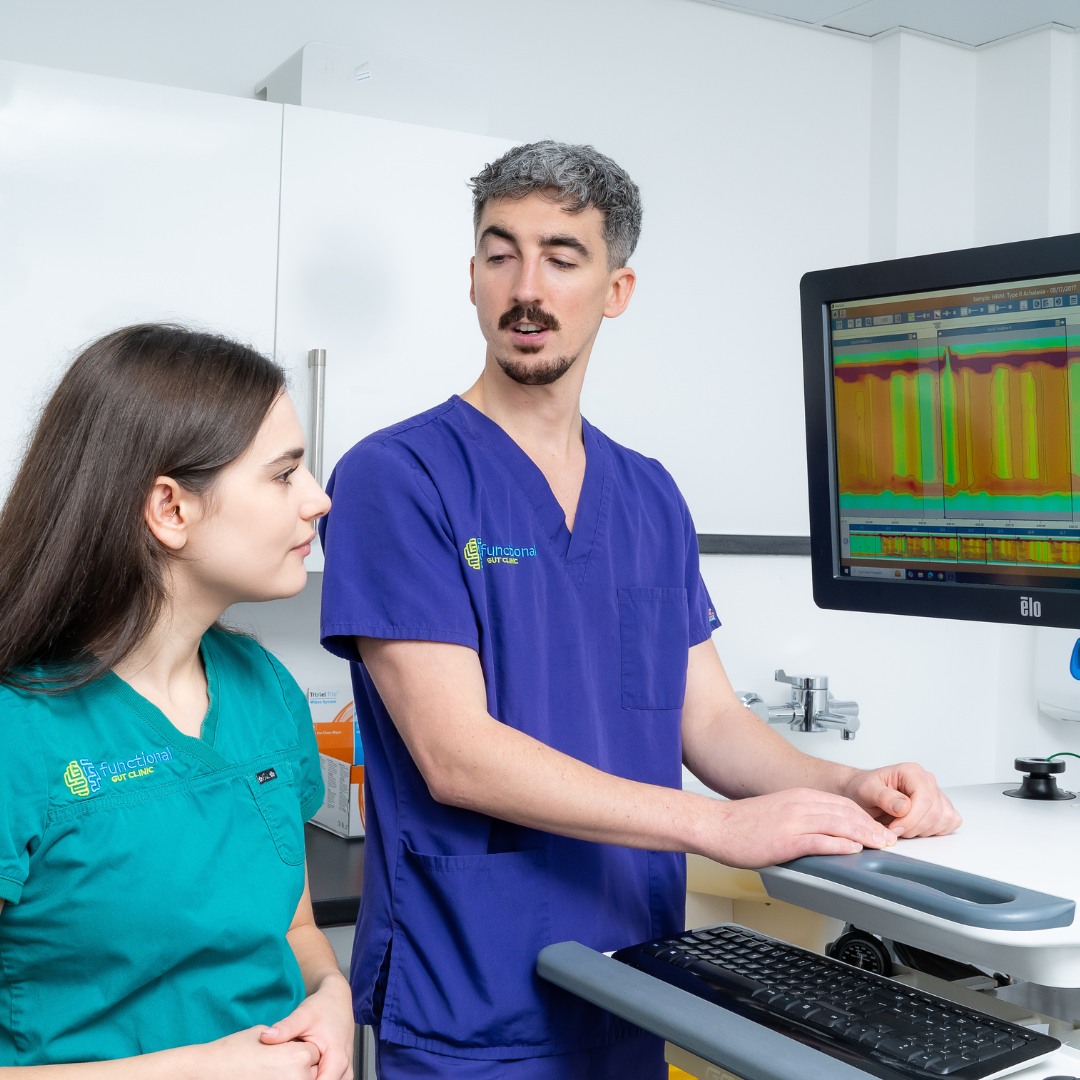
Diagnosing bloating
Feeling bloated is no fun, but once you know what’s going on you can start to manage your symptoms and the underlying causes.
Testing options:
At the Functional Gut Clinic, we can run the following tests to diagnose the causes of bloating:
Gastric emptying test– which measures how quickly food leaves your stomach
Carbohydrate malabsorption breath test– which finds out if you have certain food intolerances (lactose or fructose)
Small intestinal bacterial overgrowth (SIBO) breath test– which finds out if you have an overgrowth of bacteria in your small intestine (called SIBO)
Oesophageal manometry– which measures the function of your oesophagus (food pipe)
24-hour pH impedance monitoring– which looks at whether you have any reflux
Colonic transit study-a non-invasive test which looks at how long it takes for faeces to pass through your bowl
Learn more about bloating
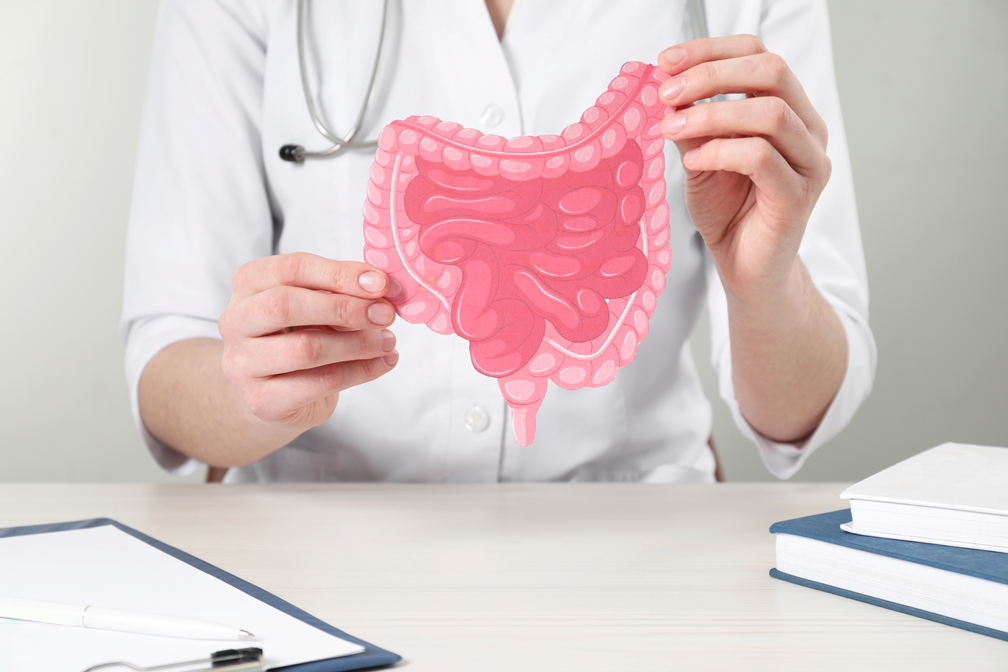
How Is IBS Diagnosed? Tests and Rome V Criteria
IBS is unusual because doctors can diagnose it without finding visible damage to the bowel. There is no ulcer, tumour, or patch of inflammation that proves it is there. Nor is there a single IBS test that comes back positive.
That can make the diagnosis feel vague. It isn’t. IBS follows a recognised pattern, while a small number of tests help rule out other conditions. IBS testing can investigate possible causes of IBS-like symptoms, although a GP or consultant makes the final diagnosis.
So, how do they test for IBS, and what should you expect?
How Do I Know If I Have IBS?
The typical pattern is recurring abdominal pain alongside a change in how often you open your bowels or what your stool looks like. You may also experience bloating, urgency, mucus, straining, or the feeling that you haven’t fully emptied your bowel.
IBS can be constipation-predominant, diarrhoea-predominant, mixed, or unclassified.
Doctors aim for a positive diagnosis: the symptoms fit IBS and basic tests do not suggest another cause. You do not need testing for every conceivable digestive condition.
What Are the Rome V Criteria for IBS?
The Rome V criteria provide a standard definition. You must have experienced recurrent abdominal pain, on average, at least three days per month during the past three months. The pain must be associated with at least two of the following:
Opening your bowels
A change in stool frequency
A change in stool form or appearance
Your symptoms must also have started at least six months before diagnosis.
The wording matters. Pain only needs to be related to opening your bowels; it does not always have to improve afterwards. Abdominal pain is central to the criteria.
What Happens at Your First Appointment?
Your doctor will ask when the symptoms began, how often they occur, and whether the pain changes after opening your bowels. They will also ask about stool consistency, diet, medication, recent infections, and your family medical history.
Expect questions about bleeding, weight loss, night-time symptoms, and other warning signs. Your abdomen may be examined, and a rectal examination may sometimes be appropriate.
How Do They Test for IBS?
No blood, stool, or breath test directly confirms IBS. Instead, testing looks for conditions that can cause a similar combination of pain, bloating, constipation, or diarrhoea.
Blood Tests
NICE recommends a full blood count, inflammatory markers such as CRP or ESR, and antibody testing for coeliac disease when the symptom pattern fits IBS. These can identify anaemia, inflammation, or coeliac disease, all of which require a different approach.
Stool Tests
Faecal calprotectin measures inflammation inside the bowel. It can help clinicians distinguish non-inflammatory IBS from inflammatory bowel disease, including Crohn’s disease and ulcerative colitis.
Stool cultures or parasite tests may be requested if an infection is plausible, particularly after foreign travel or sudden diarrhoea. A normal result makes certain alternatives less likely.
Breath and Microbiome Tests
Breath testing may identify SIBO or difficulty absorbing lactose or fructose. These can cause IBS-like symptoms but are separate findings rather than positive tests for IBS.
IBS microbiome testing in the UK can provide information about the microorganisms living in the gut. However, no microbiome profile currently diagnoses IBS by itself. Results must be considered alongside symptoms and standard investigations.
Do You Need a Colonoscopy?
Usually, no. If your symptoms match IBS, your basic tests are reassuring, and you have no warning signs, a colonoscopy is not routinely needed.
Further investigation may be appropriate if your symptoms suggest inflammatory bowel disease, microscopic colitis, coeliac disease, or bowel cancer. A colonoscopy should answer a specific clinical question, not simply be performed because IBS lacks one definitive test.
When Do IBS-Like Symptoms Need Further Investigation?
Speak to your GP promptly if you experience:
Blood in your stool or repeated rectal bleeding
Unintentional weight loss
Iron-deficiency anaemia
A lump or swelling in your abdomen
Persistent symptoms that wake you at night
A significant new change in your bowel habits
A family history of bowel cancer or inflammatory bowel disease
These signs do not necessarily mean something serious is wrong. However, they should not simply be attributed to IBS without further assessment andshouldn't be ignored.
What to Expect from an IBS Clinic
IBS clinics may accept a referral from your doctor or allow you to arrange certain tests yourself. The Functional Gut Clinic provides breath, microbiome, and physiological testing that can help identify or rule out causes of IBS-like symptoms.
Your results are returned to you and, where relevant, your referring clinician. A GP or consultant then makes the formal diagnosis and discusses medication. The Functional Gut Clinic supports the diagnostic process but does not diagnose IBS or prescribe medicines
Check out the next article: Low FODMAP Food List: What You Can and Can't Eat

Hear from people we’ve helped, just like you.
"Very professional while welcoming and friendly"
"The manner and demeanour of all staff from reception to people carrying out the test was very professional but welcoming and friendly. Atmosphere is very relaxed and all instructions clear and concise."
London Patient

"Highly recommend this"
"Thanks to Dr Hobson and everyone at the Functional Gut Clinic. The whole team is very kind and generous and they are doing things that are cutting edge and they actually get results."
Manchester Patient
"Highly recommend this"
"After stopping my lansoprazole, every time I had a warm drink, I could feel it burn all the way down to my stomach. Thank you to Sam for making me feel at ease." - Manchester Patient
"My experience could not be better"
"Pleasant and knowledgeable staff that made the experience more enjoyable than it should be!" - London Patient
"Very friendly and knowledgeable"
"An excellent service from beginning to end. I would recommend to anyone who was considering having testing done. Very friendly and knowledgeable!" - Manchester Patient
"Very kind and helpful"
"It was also great to have time to talk to the clinicians – very important when you have problems. Reception staff also very kind and helpful." - Manchester Patient
Are you experiencing any other symptoms
Symptoms are often closely connected. Find out more below.
Reflux
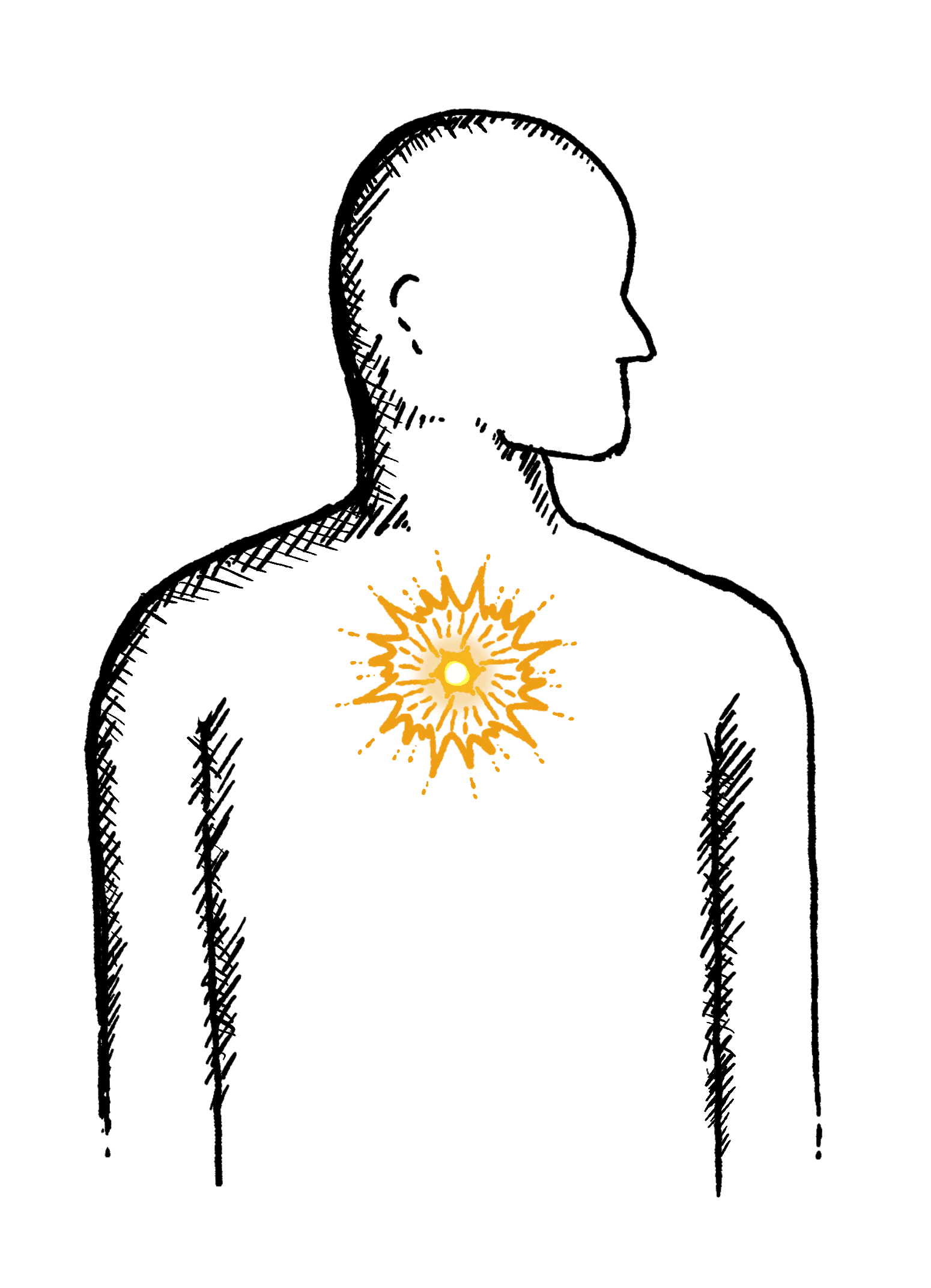
Burning mid-chest, worse when bending or lying down
Constipation
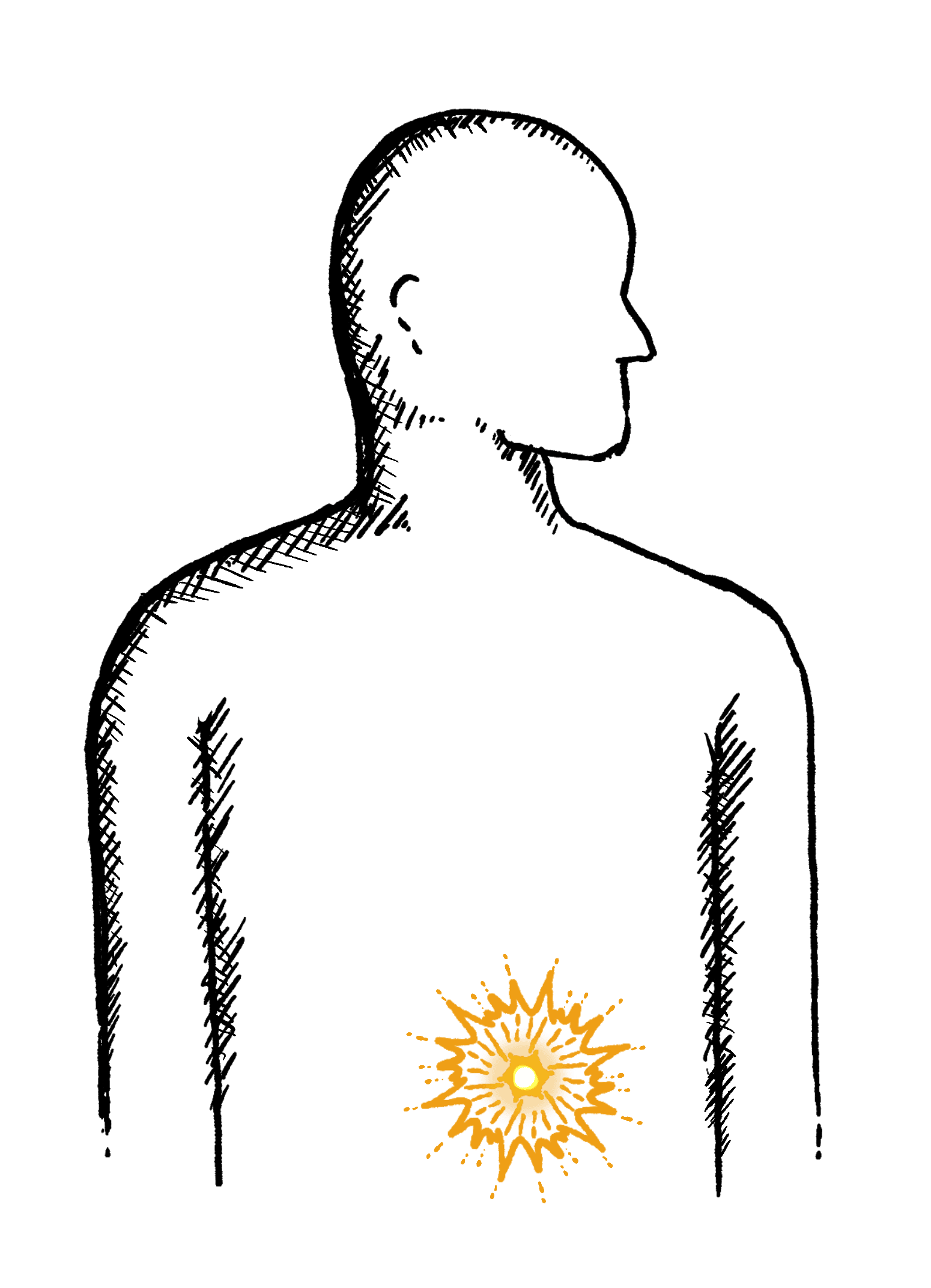
Difficulty going to the toilet, unusual stools, often with stomach ache or intestinal cramps, bloating, nausea or appetite loss
Heartburn
A burning pain in your chest, just behind your breastbone.
The pain is often worse after eating...
Regurgitation
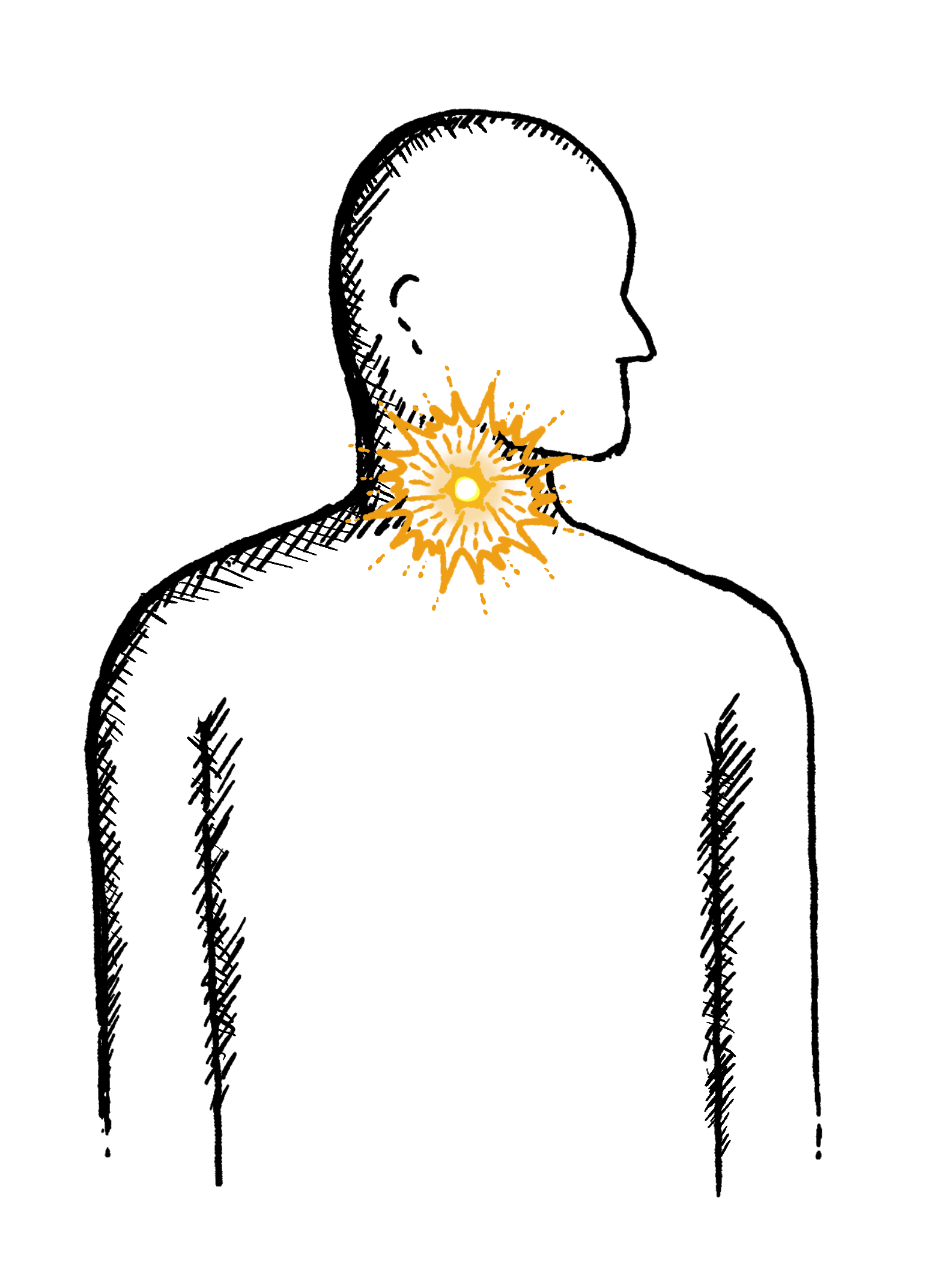
Bringing food or drink back up, difficulty swallowing, feeling that food or drink is stuck in your throat, horrible taste in your mouth
Swallowing Issues
Dysphagia - difficulty swallowing, feeling that food or drink is stuck in your throat, horrible taste in your mouth
Diarrhoea
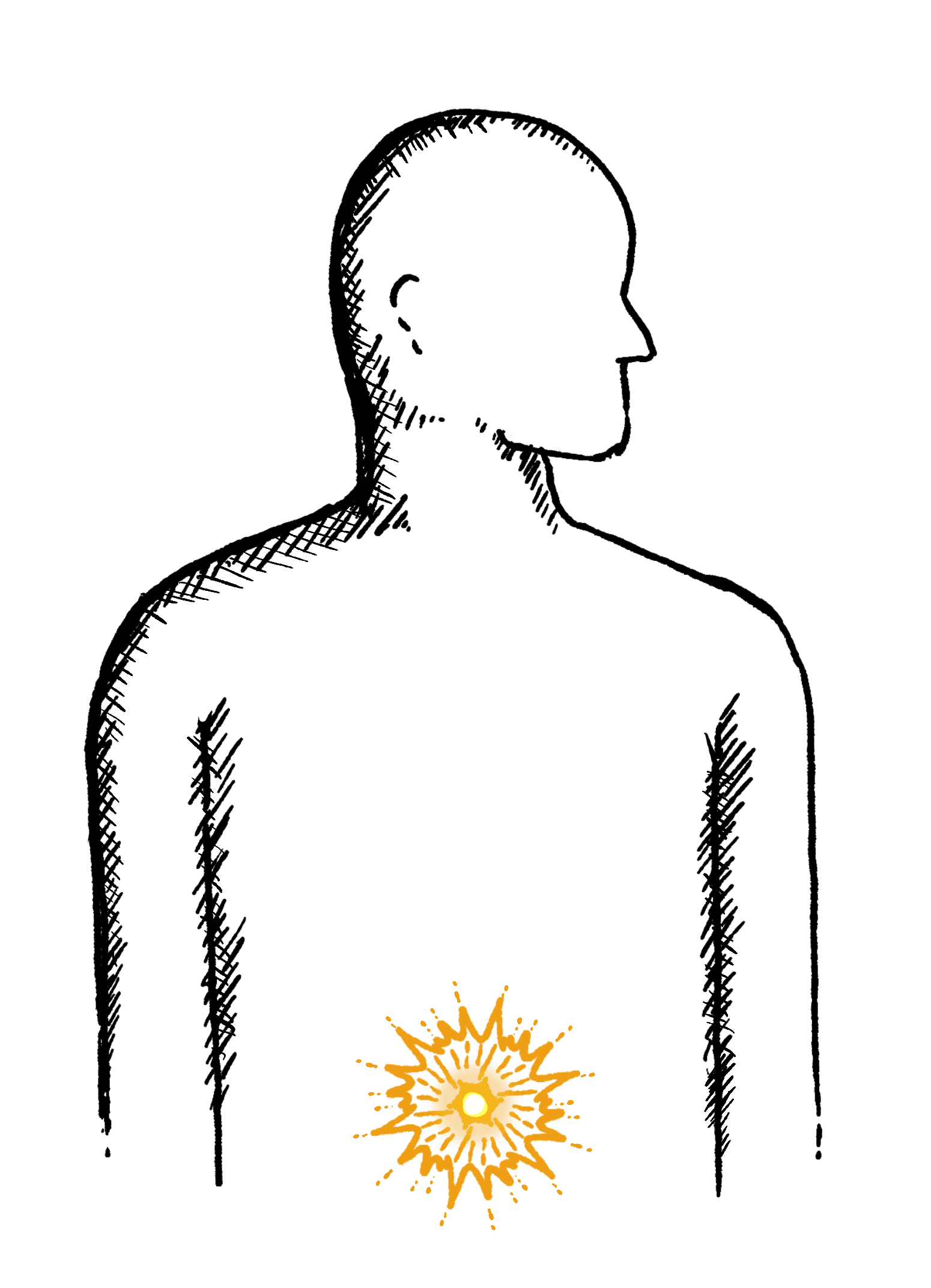
Loose or explosive stools, can’t get to a toilet in time
Abdominal Pain
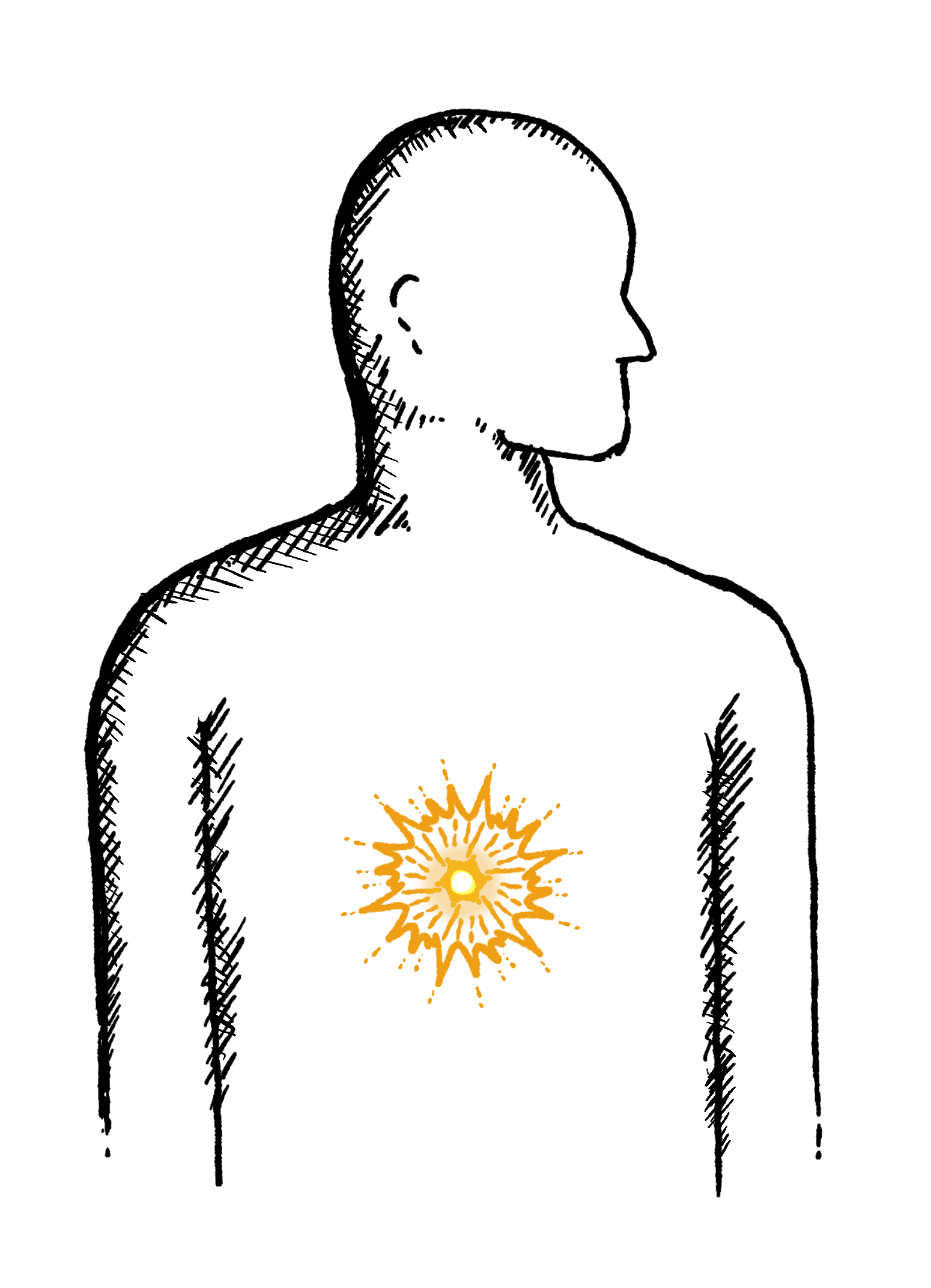
Cramps; sharp or dull pain, Bloating, Excessive belching, Nausea or vomiting
Faecal Incontinence
Stools leak unexpectedly, Can’t get to a toilet in time
IBS
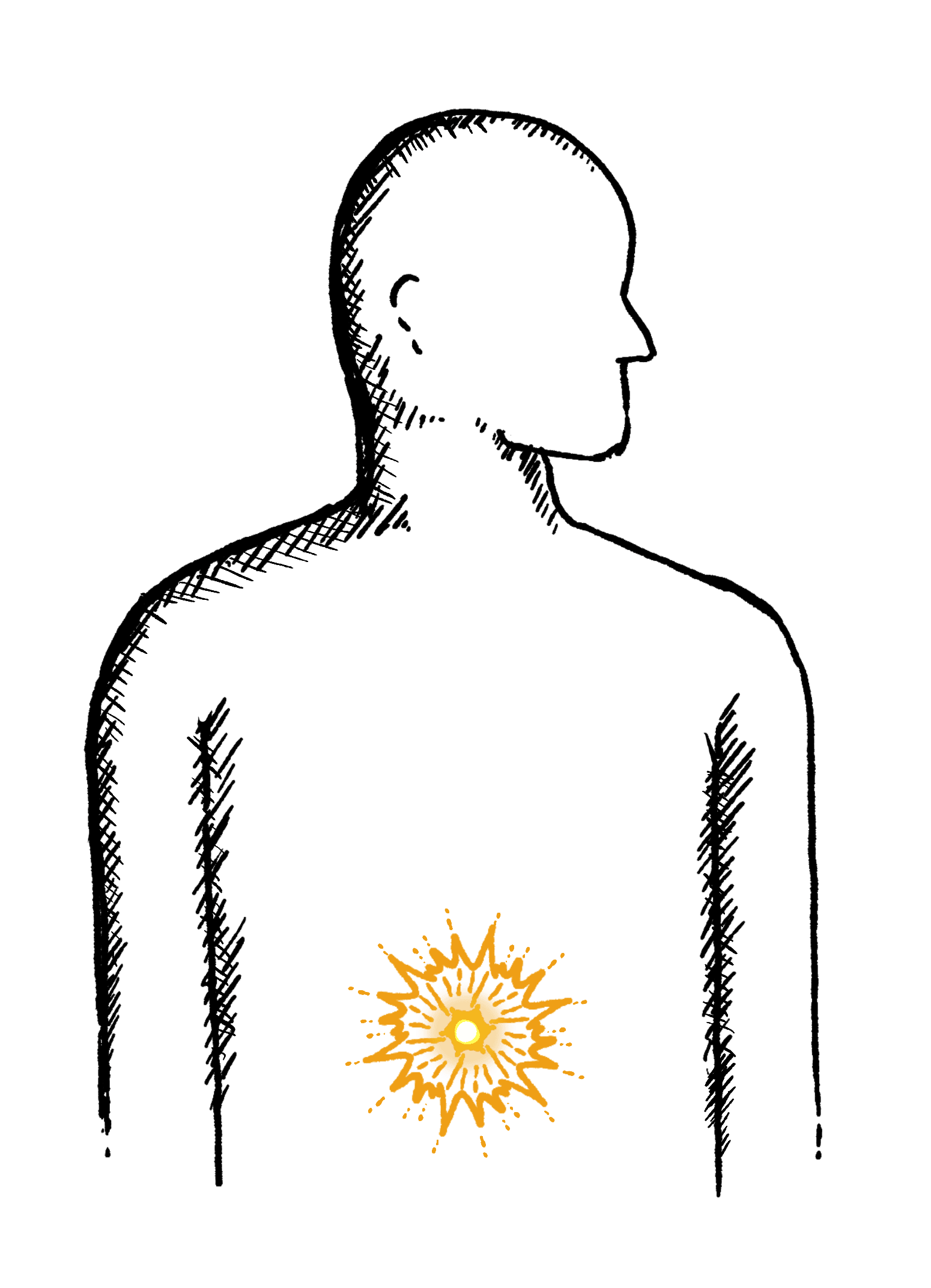
Abdominal pain or cramping, bloating, changes in bowel habits and urgency, gas
HEALTH ASSESSMENT
WHO WE ARE
HOW WE HELP YOU
LEARN
SUPPORT
FOLLOW US
© Copyright The Functional Gut Group 2026