
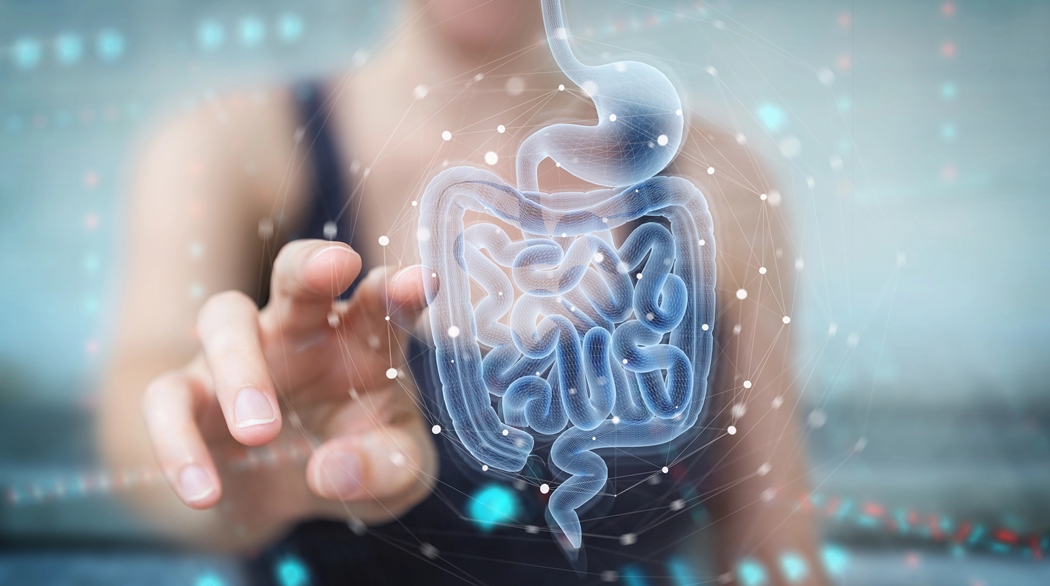
How Your Gut Bacteria Can Influence Your Weight
What you eat determines what you weigh. That’s a basic fact everyone understands. But it’s not quite that simple. While there’s a certain logic to “calories in calories out,” how your body processes what you eat is determined by your gut microbiome.
Your gut is home to trillions of bacteria and other microorganisms which are collectively known as the gut microbiome. Increasingly recognised as a pillar of health, your microbiome influences how your body digests food, processes calories, and therefore your weight.
Below, we cover how gut microbes and weight loss may be connected, how this affects obesity, and what you can do to support your gut microbiome during weight loss.
What the Gut Microbiome Is
The gut microbiome was first discovered decades ago. However, it was only in recent years that its importance was finally understood.
It refers to the community of bacteria, fungi, viruses, and other microorganisms that live inside your gut. Most of these microbes aren’t harmful. In fact, they’ve been with you from the moment you were born, producing essential nutrients, supporting digestion, and even boosting your mood.
But eating the wrong thing, taking antibiotics, or experiencing prolonged stress can take a toll on your gut microbiome. Get the wrong composition of species, and it can increase your risk of weight gain.
The Link Between Gut Bacteria and Obesity
People with obesity often have different gut bacteria inside their guts. Not only that, but they’ve typically got a lot fewer species of bacteria compared to people of moderate weight.
The effects can be pretty startling.
When scientists transferred a collection of microbes from people with obesity to mice, the mice immediately gained weight. The microbes shifted the entire metabolism.
How Gut Bacteria May Affect Weight
What’s going on? Well, it seems to be down to the specific species. If you’ve got certain groups of bacteria, they can increase your risk of obesity. But there are also beneficial bacteria that can aid weight loss.
One 2018 study examined the ratio between two bacterial groups: Prevotella and Bacteroides. People who had more Prevotella than Bacteroides lost more weight and body fat than those with roughly equal amounts of these bacteria.
Prevotella copri, in particular, was linked to lower insulin levels. Higher insulin is associated with type II diabetes, so keeping levels low can offset one potential risk of obesity.
The Role of Short-Chain Fatty Acids
But how are the bacteria actually influencing your weight? Some bacteria simply extract more calories from the same food, leaving less leftover for you. Signalling is another factor. Certain bacterial compounds influence hunger hormones, fat storage, and inflammation.
One group of compounds are known as short-chain fatty acids (SCFAs). They can help support:
Gut lining health – strengthening the intestinal barrier and reducing inflammation
Appetite regulation – influencing hormones involved in hunger and satiety
Metabolic signalling – helping regulate how the body processes energy and stores fat
Diets rich in fibre from vegetables, legumes, and whole grains help feed beneficial bacteria and promote healthy SCFA production.
Signs Your Microbiome May Be Affecting Your Weight
An unbalanced gut microbiome isn’t the only cause of weight gain or obesity. So, how do you know if it’s a factor in your weight troubles?
Often, you’ll notice a persistent difficulty losing weight. Maybe you’re following the same diet as a friend (adjusted for body size), but you’re still not losing any weight, or not as much.
You might also notice sugar cravings, as the bacteria influence your hunger signals to get you to eat more. Sometimes, these signs occur alongside digestive symptoms like bloating, constipation, or stomach discomfort.
Support a Healthy Microbiome for Weight Management
There’s good news. Fixing your gut microbiome involves a lot of the same habits that will help you lose weight. You don’t need to worry about a dozen different things. Simply focus on:
Fibre-rich foods (vegetables, legumes, whole grains)
Fermented foods (yoghurt, kefir, kimchi, sauerkraut)
Diverse plant-based diet
Reducing ultra-processed foods
Regular sleep and stress management.
Your gut microbiome won’t change overnight. However, if you stick to the recommendations above, beneficial bacteria can gradually increase over the following weeks.
When Microbiome Testing Can Help
While the advice above will benefit your gut, it’s not specific to you. The only way to understand what’s going on in your gut is to perform a gut microbiome test.
The Functional Gut Clinic offers microbiome testing to determine the microbial diversity and composition of your gut microbiome. We can provide personalised dietary and lifestyle recommendations based on your results to help you restore your gut microbiome and support a healthy weight.
Learn more about our gut microbiome testing to discover what your microbiome is telling you and how to support healthier weight management.
Read the following engaging article: Eosinophilic Oesophagitis (EoE): When Your Symptoms Aren't Just Acid Reflux


