
How Your Gut Microbiome Changes As You Age
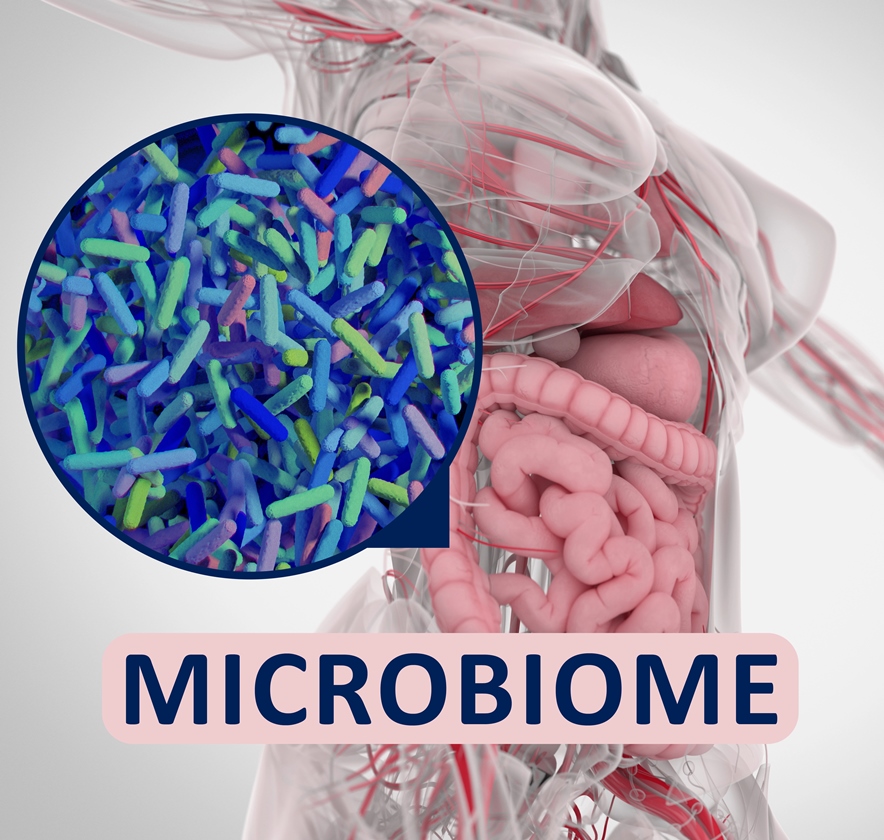
Nothing about your body stays the same as it ages. The same is true in your gut. Your gut microbiome (the community of trillions of bacteria living in your gut) gradually shifts as you age. Because the microbiome supports digestion, immunity, and metabolism, this change has implications for your overall health.
But how do you know if your gut microbiome has changed? Is there anything you can do to support your gut bacteria as you age? And what are the consequences of these gut microbiome changes caused by ageing? Find out below.
How the Gut Microbiome Develops Early in Life
Your gut microbiome begins forming before you take your first breath. Some research suggests that microbes or microbial signals may be present during pregnancy, but the biggest microbial exposure happens during birth.
As babies are born, exposure to the vaginal canal and surrounding environment suddenly inoculates them with a wide range of bacteria. These microbes begin colonising the gut over the following days and weeks, helping support early digestion, metabolism, and immune system development. This is one reason for the differences in microbiomes between babies born vaginally and those delivered by C-section.
The next major influence is diet. Breastfeeding and formula provide different nutrients, encouraging different bacterial species to grow. Early diet and environmental exposures continue shaping the microbiome throughout infancy and childhood. However, by early adulthood, most people develop a relatively stable gut microbiome.
What Happens to the Gut Microbiome As You Age
Ageing brings many changes to the body, including your gut microbiome which declines as you age. The changes don’t happen overnight but occur gradually over decades.
The main changes include:
Reduced microbial diversity
A decline in beneficial bacteria
Increases in pro-inflammatory microbes
Why the Microbiome Changes With Age
So, the microbiome shifts with age. The real question is why. While your body ages from wear and tear or DNA degradation, the microbiome is slightly different. Bacteria don’t age. They can multiply indefinitely. The changes, therefore, come from the environment your body provides.
Dietary changes alter the food source for your bacteria. Too much processed food or not enough food variety can harm the overall microbiome composition.
The use of medications such as antibiotics or PPIs can harm bacteria, leading to a large-scale wipeout or decline of certain species.
Less physical activity leads to declines in beneficial bacteria that produce short-chain fatty acids, compounds that support gut lining and reduce inflammation.
Immune system ageing changes how your body regulates microbes. When this regulation weakens, the balance of bacteria shifts, allowing inflammatory or less beneficial species to dominate.
Changes in digestion and stomach acid can remove a factor controlling the population of harmful bacteria. Slower digestion, lower stomach acid levels, and altered enzyme production can have a combined effect on the overall composition.
Chronic health conditions like diabetes, cardiovascular disease, and inflammatory disorders, are linked to changes in the gut microbiome. Medications used to manage these conditions can also influence gut bacteria.
How Microbiome Changes Affect Health in Older Adults
The microbiome isn’t just a community of bacteria you’re supporting for free. They provide services your body relies upon.
The most basic consequence involves digestion. Your gut bacteria help break down indigestible fibre and other components of your diet. When the community changes, it can lead to a greater risk of constipation and bloating.
Increasing levels of harmful bacteria in the gut can allow inflammatory compounds to enter the bloodstream. This can fuel inflammatory conditions and influence brain function. That’s why people often complain of brain fog or skin rashes. The reverse is also true. Beneficial bacteria can help soothe inflammation and support the body’s immune system.
Lastly, many bacteria produce vitamins or help us absorb nutrients we need to survive. If these bacteria decline as we age, so does our access to these nutrients.
Can You Support Your Microbiome As You Age?
While the decline in your gut microbiome is inevitable, it doesn’t have to be dramatic. You can do things to support your gut bacteria with a few simple lifestyle changes.
Try these recommendations:
Eat a diverse, fibre-rich diet — try to avoid processed foods
Include fermented foods like sauerkraut, kimchi, or kefir
Maintain physical activity — around 1 ½ hours of moderate exercise a week is recommended
Manage stress — practice meditation, yoga, or simply go for a walk
Avoid unnecessary antibiotics
Why Microbiome Testing May Be Helpful
You can gauge the health of your gut microbiome by your symptoms. But it’s only a partial indicator. If you want to know what’s really going on, you’ll need to take a gut microbiome test. It can help identify imbalances, provide a barometer over time, and guide dietary changes.
The Functional Gut Clinic is the UK’s first specialist clinic for microbiome support. We offer a range of testing options to help you understand your gut microbiome and provide personalised recommendations based on your results.
Read the following article: How to Read Your Gut Microbiome Test Results


