
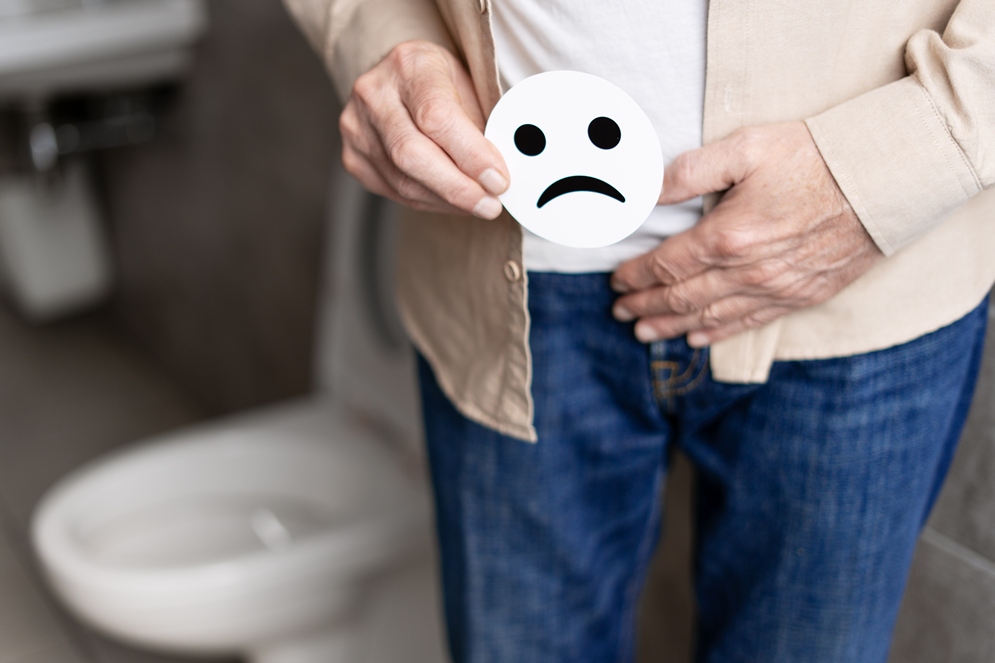
Incomplete Bowel Emptying and Straining with IBS-C
It’s quietly frustrating leaving the toilet despite still feeling like you need to go. You can sit and wait and strain, but nothing comes. That feeling of incomplete bowel emptying and straining are common complaints among people with IBS with constipation (IBS-C).
The reasons behind the sensation are simple. Hard stools, rectal sensitivity, and problems coordinating the pelvic floor muscles may all be explanations. But there are things you can do to help relieve the problem, and that doesn’t include straining harder.
Below, we explore what can help, including the latest research through our IBS-C clinical trial. However, if you experience rectal bleeding, unexplained weight loss, or a persistent change in bowel habits, speak to your GP for further assessment.
Why Does IBS-C Cause Incomplete Bowel Emptying?
Hard Stools That Are Difficult to Pass
Hard stools are characteristic of constipation. They’re firm and dry, making them difficult and even painful to pass. Even after a bowel movement, part of the stool can remain in the rectum.
That’s why you feel the uncomfortable sensation that you still need to go. Because technically you do.
Dyssynergic Defecation and Pelvic Floor Muscles
Dyssynergic defecation sounds complicated, but the principle is simple. Normally, the pelvic floor and anal sphincter muscles relax to let the stool pass while the abdominal muscles help push it out.
Everything must coordinate perfectly for a normal bowel movement.
Except, in some people with IBS-C, these muscles don’t coordinate properly. In fact, the anal muscles can tighten rather than relax, meaning that no matter how hard you push, it doesn’t make any difference.
Think of it as trying to push something through a door that’s partially closed.
Rectal Sensitivity and Tenesmus
IBS often alters how sensations within the rectum are perceived. You might have gone to the toilet fine. There might be little or no stool remaining. However, if you’ve got rectal sensitivity (tenesmus), it can feel like you still need to go.
This is important as it isn’t the same as incomplete evacuation and can occur with other conditions, including rectal inflammation.
Why Does Straining to Poo Make Things Worse?
Straining feels like your only option when you’ve spent the past 10 minutes sitting patiently on the toilet. Unfortunately, straining can make things worse.
Straining increases pressure in the abdomen by contracting the abdominal muscles. However, if the pelvic floor muscles fail to relax, it won’t make any difference. In fact, it can aggravate haemorrhoids or contribute to further pelvic floor problems.
People with IBS-C often get stuck in a cycle of incomplete emptying, straining, and further incomplete emptying.
How to Reduce Straining and Empty Your Bowels More Easily
Improve Your Toilet Position
We’re not designed to defecate on a toilet. Originally, we’d squat, bringing our knees above our hips. This straightens the bowel and allows faeces to pass more easily.
Using a small footstool can help in the same way. Lean forward slightly and rest the elbows on the thighs, thereby improving the angle of the anorectal passage.
Breathe gently, relax, and allow your rectum to do the work.
Avoid Forcing a Bowel Movement
Go when you feel the urge rather than repeatedly trying to force a bowel movement. Don’t spend long periods sitting on the toilet. If nothing happens after several minutes, get up and try again later.
Keep Your Stools Soft
The easiest solution is to soften your stools. Drinking plenty of water and eating soluble fibre can make stools less hard and firm. Laxatives can also be prescribed by a GP. That said, softer stools won’t necessarily resolve symptoms caused by pelvic floor dysfunction.
When Should You Ask for a Pelvic Floor Assessment?
Most doctors will recommend laxatives and lifestyle changes when first treating IBS-C. However, if you still experience incomplete bowel emptying and straining despite improvements in stool consistency, it’s worth investigating pelvic floor dysfunction.
There are two main tests that can help identify the problem:
Anorectal manometry: Measures the pressure and coordination of the anal muscles, alongside rectal sensitivity. It can help identify whether the muscles are relaxing properly during bowel movements.
Proctography or defaecography: Uses imaging to assess how the rectum and pelvic floor function during emptying. It can identify structural or functional problems that prevent stool from passing normally.
Can Biofeedback Help with Incomplete Emptying?
If dyssynergic defecation is identified, biofeedback therapy can help retrain the pelvic floor muscles.
It involves guided exercises and feedback to help you learn how to relax and coordinate the muscles during bowel movements. Research has shown that it can improve symptoms in people with dyssynergic defecation.
Find Out More About IBS-C Research
IBS-C can be difficult to manage, particularly when conventional treatments don't provide enough relief. That's why researchers are continuing to investigate new treatment options.
At The Functional Gut Clinic, we're involved in research exploring potential treatments for IBS-C.
Explore our IBS-C clinical trial to learn more about the study and find out whether you could be eligible to participate.
Feel free to read the next article: Fibre and IBS-C: Why More Fibre Can Make Constipation Worse


