
Is Acid Reflux Genetic? What Family History Really Means
Acid reflux is really common. It's estimated that gastro-oesophageal reflux disease (GERD) affects between 10% and 30% of adults in the UK. Usually, people blame an acid attack on their lifestyle. Fatty foods, acidic foods, high stress, or lying flat can all cause acid reflux.
But it still doesn't explain why some people can have the same lifestyle and yet very different symptoms. It makes people wonder, "Is acid reflux hereditary? Is it genetic?"
The answer is yes, there is a genetic link to acid reflux. Specific genes can increase your risk. But it's not that simple; there are lots of other factors to consider. Read on to learn more about what the research says.
Quick Refresher: What Is Acid Reflux and GERD?
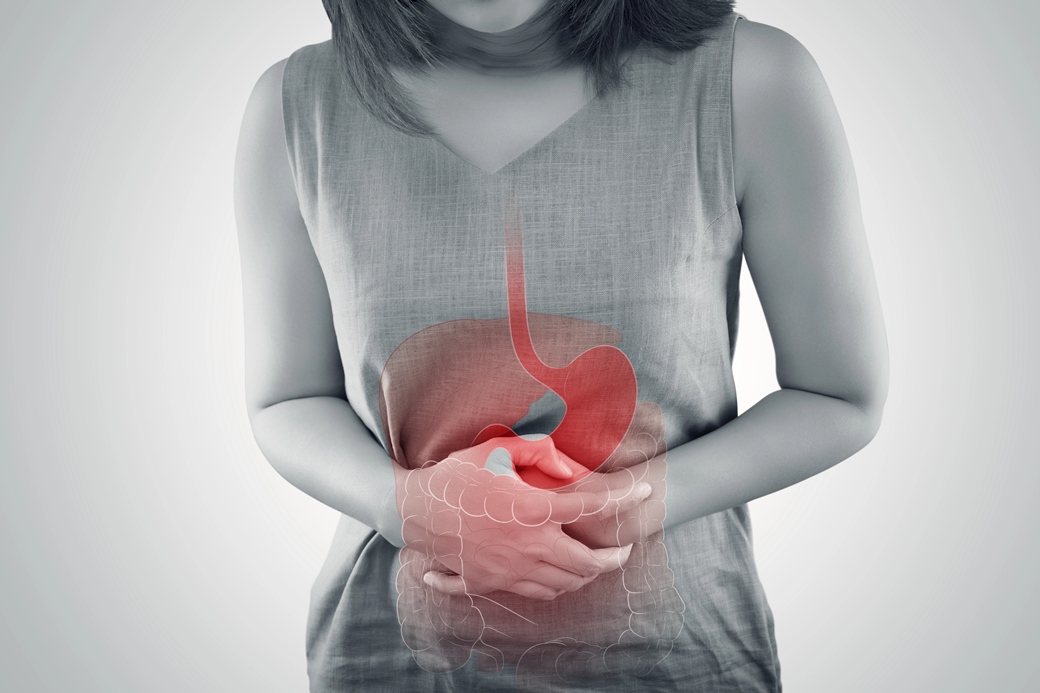
Acid reflux occurs when stomach acid moves backwards, through the lower oesophageal sphincter (LOS) into the oesophagus (food pipe). It irritates the oesophageal lining, causing the classic symptoms. These include:
Heartburn: central, burning chest pain
Sore throat
Hoarse voice
Sour taste in the mouth
Repeated coughing
Gastro-oesophageal reflux disease (GERD) is where the acid attacks occur repeatedly. Everyone experiences mild acid reflux from time to time. But if this is happening at least every few days, there might be an underlying factor.
What Does "Genetic" Actually Mean in Health?
In most conditions, genetics don't cause a condition, they can just increase the risk. That's true for everything from type 1 diabetes to asthma, and GERD falls into this camp. Just because you have all the wrong genes doesn't mean you're destined to develop acid reflux.
What really matters is the interplay between genetics and environment. For example, if two people ate the same food but only one developed reflux, it might indicate they're genetically predisposed. Maybe their stomach produces a little more acid than normal.
But it still takes the trigger to cause the acidity attack.
What the Research Says About Genetics and Reflux
In short, acid reflux appears to have a significant genetic component.
Researchers often study twins and families to see whether acid reflux occurs more commonly than in the general population. If it does, it suggests a genetic link.
A 2018 review found that GERD has a heritability of approximately 31% (roughly one-third). Other research suggests the link could be as high as 43%.
This inheritance is connected to specific genes. The FOXF1 gene, for instance, influences the growth of smooth muscle in the stomach. Changes in this gene alter how the LOS contracts, increasing the risk of reflux.
But it's not just a single gene. A 2021 study identified 88 new loci associated with GERD. Many of the genes are linked to other conditions that can occur with GERD, like Barrett's oesophagus or oesophageal adenocarcinoma.
Which Traits Might Be Inherited?
Each gene does something different. That means two people might have a genetic predisposition to GERD for completely different reasons.
Some of the traits that might be inherited include:
A tendency to develop a hiatal hernia, where part of the stomach pushes upward through the diaphragm.
A weaker lower oesophageal sphincter, the valve that normally stops stomach acid from rising back into the food pipe.
Slower stomach emptying, meaning food and acid stay in the stomach longer.
Heightened oesophageal sensitivity, so even small amounts of reflux cause noticeable burning or discomfort.
Lifestyle Still Matters A Lot
Don't think it's all genetics. Lifestyle can still be even more important than genetic factors. If you're overweight or obese, eat fatty or acidic foods, smoke or drink alcohol, eat large meals just before you go to bed, you may be more at risk of acid reflux.
Genetics influence susceptibility, but lifestyle is what typically triggers symptoms.
Just as someone with eczema needs to watch what they eat to prevent inflammation, the same is true for GERD. Diet, stress, and sleep become even more important for mitigating the effects of genes.
Can Acid Reflux Skip Generations?
Potentially. There isn't a single "acid reflux gene." It's polygenic. You might have a combination of genes that increase your risk, but your siblings don't. It's luck of the draw.
It could even be the case that different triggers activate similar vulnerabilities. What's important is understanding your condition and taking action to control or prevent it.
The Functional Gut Clinic offers specialised testing for acid reflux. Our team can determine if your symptoms are due to acid and what may be causing the acid reflux in the first place. Take the first step to becoming symptom-free today.
You may want to read the next article: Tips to Ease Exercise Heartburn


