
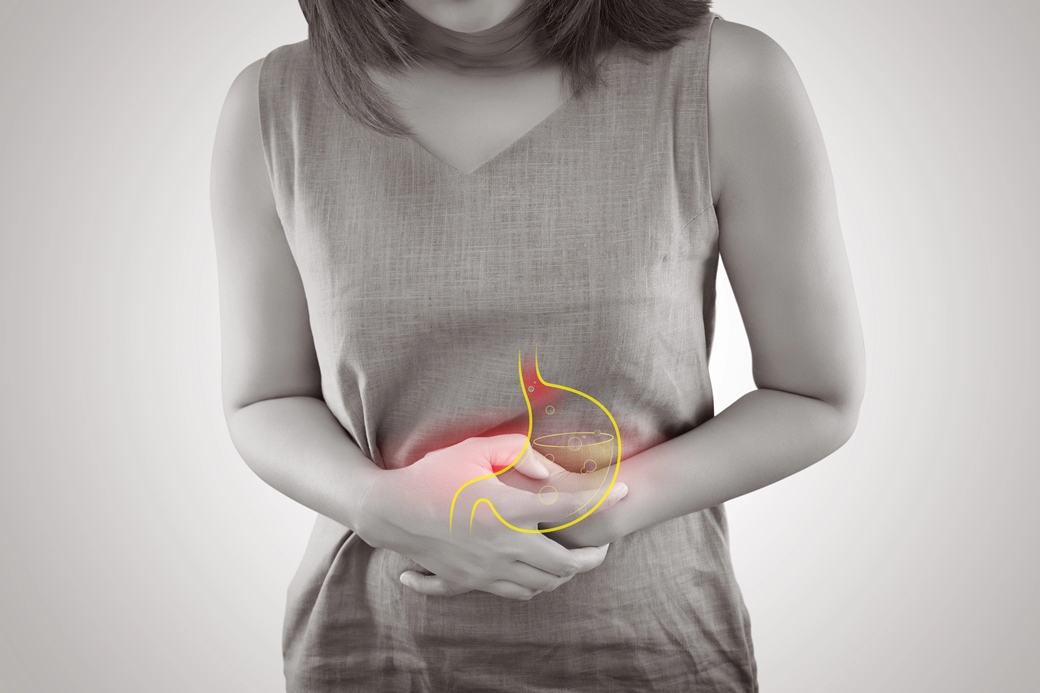
Oesophageal Stricture: Symptoms, Causes and Treatment
The oesophagus is the narrow tube that carries food from the mouth to the stomach. Repeated acid reflux can scar the oesophageal lining, leading to narrowing. A narrowed oesophagus is known as an oesophageal stricture.
Most strictures develop slowly. While they’re not immediately dangerous, doctors take strictures seriously as they can affect swallowing and gradually worsen over time. If you develop a stricture, the oesophagus is dilated to widen the opening again. The sooner you receive treatment, the easier it is to remedy the condition.
What Is an Oesophageal Stricture?
An oesophageal stricture is an abnormal narrowing of the oesophagus, the tube running between the mouth and the stomach.
Normally, the oesophagus contracts as you swallow, pushing food down into the stomach. But if the oesophagus is narrowed, food may struggle to pass, creating an uncomfortable sensation. The lining is also usually stretchy and flexible. But it becomes stiffened or swollen in a stricture.
How Acid Reflux Can Cause a Stricture
Most oesophageal strictures (around 75%) are caused by repeated acid reflux. Whenever acid flows into the oesophagus, it irritates the mucous lining. A single episode of acid reflux isn’t enough to cause permanent damage, but repeated exposure can.
Over time, chronic acid reflux leads to scarring (fibrosis). The scar tissue is stiffer and more swollen than the normal healthy mucosa, leading to narrowing.
Acid reflux isn’t the only cause of a stricture. Other causes include:
Chronic oesophagitis — certain medications (like NSAIDs), infections, and autoimmune conditions can continually inflame the oesophagus, causing swelling and scarring.
Injury or trauma — ingesting anything caustic, corrosive, or extremely hot can permanently damage the oesophageal lining, causing scarring.
Oesophageal cancer — an uncommon but possible cause of a stricture.
Oesophageal Stricture Symptoms
The first sign of an oesophageal stricture is that food is hard to swallow. That might begin small, leading you to take smaller bites and chew more thoroughly. But gradually it will begin to worsen.
You might experience:
Difficulty swallowing (dysphagia)
Feeling that food is stuck in the throat or chest
Food impaction (food becoming lodged in the oesophagus)
Pain or discomfort when swallowing
Regurgitation of food
Persistent heartburn or acid reflux
Unintentional weight loss due to difficulty eating
Who Is Most at Risk?
The most common risk factor for an oesophageal stricture is long-term acid reflux (GERD). If heartburn is left untreated, repeated acid-induced irritation can lead to a stricture as scarring begins.
Other risk factors include:
Untreated heartburn
Hiatal hernia
Repeated oesophageal inflammation
Previous oesophageal surgery or injury
Certain medications that irritate the oesophagus
How Oesophageal Strictures are Diagnosed
Most people with oesophageal strictures visit their doctor when they first notice difficulty swallowing. Their doctor will begin with a full medical history and symptom review.
If an oesophageal stricture is suspected, you may be referred for an endoscopy. This procedure involves passing a thin tube with a small camera down the throat into the oesophagus. It allows the doctor to examine the lining and, if necessary, take biopsies to rule out other conditions.
An alternative test is a barium swallow study. You’ll be asked to drink a radio-opaque barium liquid as an X-ray is taken. The barium coats the oesophagus, allowing the doctor to clearly see its shape and identify any narrowing.
Oesophageal Stricture Treatment
If left untreated, an oesophageal stricture is permanent. Even with treatment, the oesophageal scarring cannot be reversed. Treatment usually involves dilating the oesophagus to enabled easier swallowing together with reducing acid reflux to minimise any further damage.
Oesophageal Dilation
Dilation is an outpatient procedure in which a dilator is gradually expanded in the stricture over a series of sessions. The idea is to gradually increase the oesophagus's diameter, allowing food to enter the stomach.
Acid Reflux Treatment
Acid reflux treatment primarily involves proton pump inhibitors (PPIs) to reduce stomach acid production. This prevents more scarring to the oesophagus.
Your doctor may also recommend lifestyle changes like eating smaller meals, avoiding trigger foods, losing weight, or cutting alcohol consumption to reduce the number of acid reflux episodes.
When to See a Doctor
If you notice any of these symptoms, seek medical attention:
Frequent difficulty swallowing
Food getting stuck
Persistent chest discomfort while eating
Unexplained weight loss
Reflux symptoms that worsen over time
Investigate the Cause of Your Reflux Symptoms
If you’re experiencing persistent reflux or difficulty swallowing, identifying the underlying cause is essential. The Functional Gut Clinic offers advanced diagnostic testing, including 24-hour acid reflux monitoring, to determine whether GERD may be contributing to your symptoms.
Don’t ignore acid reflux for years until it causes a stricture. Get tested as soon as possible to identify the cause and find a reliable treatment.
You might be interested in reading the following article: Bile Reflux vs Acid Reflux: What's the Difference and Why It Matters


