
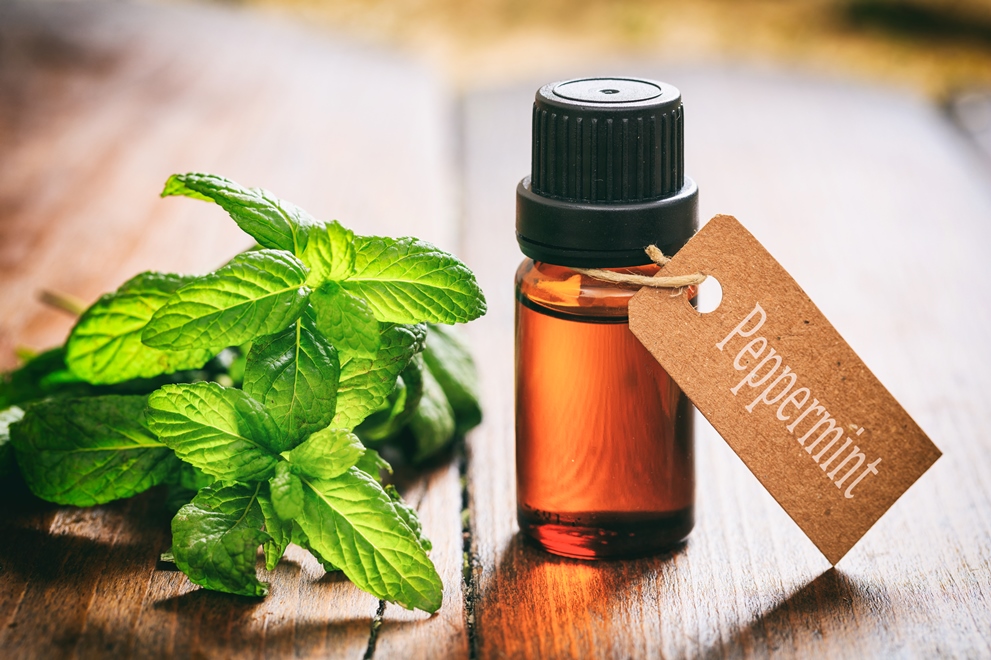
Peppermint Oil for IBS: Does It Actually Work?
Irritable bowel syndrome is a difficult condition to treat. Many treatments focus on symptom relief, and not every option works for every person. Peppermint oil is often advised as an antispasmodic, meaning it helps relax the smooth muscle of the bowel.
It’s not just an old herbal remedy. People with IBS can experience reduced cramps, trapped wind, bloating, and abdominal pain after taking peppermint oil.
However, peppermint oil is not always effective for IBS. Below, we explain how peppermint oil works, when it’s recommended, and how it should be taken. We’ll also explain why persistent symptoms may need proper investigation to get to the root of your symptoms.
How Peppermint Oil May Help IBS
Peppermint oil contains menthol. It’s what gives it the fresh feeling. Menthol appears to relax intestinal smooth muscles. In IBS, where the bowel can be more sensitive or prone to spasms, this may help reduce cramping and pain.
Peppermint oil is not a cure. It relieves the symptoms of IBS, but it does not fix the underlying driver of symptoms. Still, if well-tolerated, it can provide an option during IBS flare-ups.
What Does the Research Show?
Unlike other herbal remedies, peppermint oil has real evidence behind it. Several clinical trials and meta-analyses suggest it can genuinely improve IBS symptoms and abdominal pain in some people.
The strongest benefit seems to be for cramps and pain. This makes sense as peppermint oil acts as an antispasmodic. It calms the bowel down rather than directly treating diarrhoea, constipation, or food triggers.
That said, the evidence is not perfect.
One larger, high-quality trial found that peppermint oil did not meet its main endpoints for abdominal pain response or overall symptom relief. However, one formulation did improve secondary outcomes such discomfort and IBS severity.
Peppermint Capsules vs Peppermint Tea
Peppermint comes in all kinds of formulations. It’s most commonly consumed as a tea. However, while peppermint tea can feel soothing, it is not the same as enteric-coated peppermint oil capsules.
These capsules are designed to release peppermint oil lower down in the gut, reducing stomach irritation and targeting bowel cramps. Moreover, peppermint tea contains lower and less predictable amounts of peppermint oil. It can help some people experience bloating relief. But it is not the same as a capsule containing a clinical dose.
Peppermint Oil IBS Dosage
Generally, it’s advised that adults and children aged 12 and over take 1 peppermint capsule three times daily, often 30-60 minutes before food. If symptoms persist, the dose can be increased to 2 capsules three times daily.
Each capsule is swallowed whole, without crushing or chewing it. This ensures that the oil makes its way to the small bowel. Avoid taking them at the same time as indigestion medicines such as antacids.
Who Should Be Careful with Peppermint Oil?
Peppermint oil can cause side effects, most commonly heartburn. As such, peppermint oil may not be advisable in people with reflux, heartburn, or indigestion. It is also not suitable for people with gallstones, liver disease, severe constipation, ulcerative colitis, or certain allergies.
You should always check with a doctor or pharmacist before taking peppermint oil if you are pregnant, breastfeeding, taking other medications, or buying it for a child.
If your symptoms are new, severe, worsening, or accompanied by weight loss, blood in the stool, fever, vomiting, or nighttime symptoms, it is important to seek urgent medical advice rather than treating them as IBS.
When Peppermint Oil Is Not Enough
Peppermint oil can reduce cramping and bloating in some people with IBS. But it may not be enough if someone has:
Persistent diarrhoea
Severe constipation
Unexplained weight loss
Blood in the stool
Symptoms waking them at night
Symptoms after infection
If you have blood in the stool, unexplained weight loss, fever, vomiting, or symptoms waking you at night, seek medical advice promptly. These symptoms may point to IBS or another digestive condition, such as SIBO, coeliac disease, inflammatory bowel disease, bile acid diarrhoea, or food intolerance.
Still Struggling with IBS Symptoms?
Peppermint oil can be an effective treatment for people managing IBS cramps, bloating, and abdominal pain. However, if your symptoms are persistent, severe, or affecting your daily life, it’s worth looking more closely at what’s happening in your gut.
The Functional Gut Clinic offers a range of testing options to help investigate IBS-type symptoms and identify related conditions such as SIBO. We’ll create a report and send it to your doctor or consultant to discuss further treatments. We can help identify whether further investigations or a referral may be needed, especially if you’re experiencing worrying symptoms.
Learn more about IBS symptoms and testing, and how we can help you take control of your health.
You might find the following article interesting: Probiotics for IBS: Do They Actually Work, and Which Strains?


