
Signs of Poor Gut Health in Kids: Symptoms Parents Shouldn’t Ignore
Gut health is a big factor in childhood. Kids are always catching tummy bugs from their friends and classmates. But if their symptoms go on longer than normal, it might be a sign that something else is going on.
The microbiome refers to the community of trillions of bacteria, viruses, fungi, and other microbes living in your gut. We usually think of these “nasties” as responsible for your child’s tummy bugs. However, a thriving microbiome is critical for healthy digestion and can even affect other parts of the body.
Not sure what to look for? Below, we cover the signs of poor gut health in kids, how it’s linked to the microbiome, and when you should get a gut test.
What Does “Gut Health” Mean in Children?
You aren’t born with your microbiome. You gather it slowly from the environment as you grow up. Some comes from your mother, others from soil, food, and other environmental factors you come across. The exact composition of species is unique to you. Think of it like a fingerprint.
Because kids’ digestive systems are still developing, it’s much easier for harmful bugs to take over the digestive tract. Plus, things like diet, antibiotics, stress, and other illnesses can hamper the “good” bacteria and help the dangerous ones.
But gut health isn’t just restricted to the gut. Healthy bacteria produce essential micronutrients, lift our mood, dampen inflammation, and much more. When they’re disrupted, the symptoms can involve a child’s entire body.
Common Signs of Poor Gut Health in Kids
1. Frequent Tummy Aches or Bloating
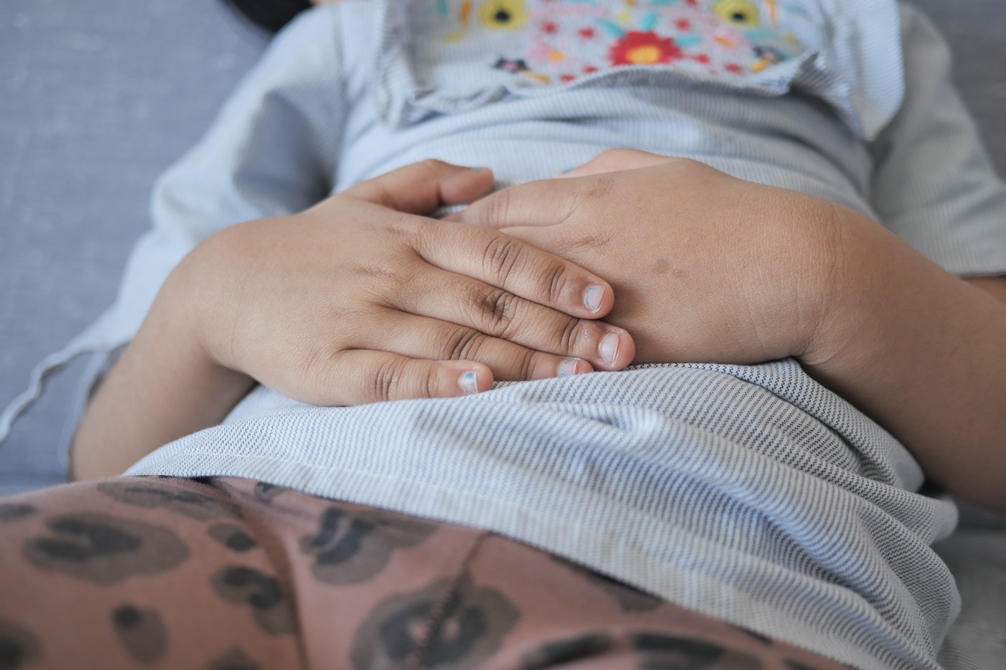
The most common sign of poor gut health in kids is regular stomach pain (especially without a clear cause). Listen to your child’s complaints after meals or look for a swollen or gassy belly.
2. Ongoing Constipation or Diarrhoea
“Normal” bowel habits differ from child to child. Some kids often have loose stools or struggle with constipation. That being said, a pattern of alternating constipation and loose stools can indicate something else is going on.
It’s worth thinking about your child’s microbiome.
3. Excessive Gas or Smelly Stools
Many harmful bacteria can ferment food in the gut, creating unpleasant smells. If you notice excessive gas or unusually strong-smelling stools, it can be a sign of gut problems in children.
Trapped gas (and the associated discomfort) also occurs when your gut bacteria become imbalanced. This is known as “dysbiosis.”
4. Food Sensitivities or Fussiness Around Eating
Changes in your gut microbiota can affect the gut lining. This can increase intestinal permeability, allowing compounds to irritate the gut and trigger inflammation. Often resulting in food sensitivities. Milder than an allergy, sensitivities can appear as skin issues, digestive problems, or even mild confusion.
If your child is avoiding meals or feels full quickly, a food sensitivity might be the cause.
5. Frequent Colds or Infections
Your gut bacteria modulate your immune system. They’re responsible for controlling inflammation or strengthening your immune defence. Lots of colds or infections in short succession can be linked to dysbiosis.
So, if your child catches every bug going around, that might be the reason.
6. Skin Issues Like Eczema or Rashes
We don’t think of the skin and gut as linked. But when inflammation ramps up, it often presents as skin issues like eczema. That’s not always the case though, as eczema can occur without any gut problems.
7. Fatigue or Low Energy
Is your child always sleepy? Are they struggling to concentrate at school? If they’re getting enough sleep, it’s worth considering their gut bacteria. It might be the hidden cause.
8. Mood Changes or Irritability
This sign of poor gut health in kids gets easily missed. Parents just think their child is playing up for no reason. However, anxiety, meltdowns, or mood swings can occur alongside digestive symptoms. That’s due to the gut-brain connection, where compounds from the gut alter how the brain responds.
When to See a GP or Healthcare Professional
Most children get the odd tummy bug. But when symptoms stick around or start affecting daily life, it’s worth taking a closer look. Speak to a GP or healthcare professional if your child has:
Ongoing digestive issues
Poor appetite
Low energy
Frequent infections
If you’d like deeper answers, The Functional Gut Clinic may be able to help explore what’s happening inside your child’s microbiome. Our team provides specialist testing which could help get to the bottom of your children’s gut problems.
You might be interested in reading the next article: Can intermittent fasting improve your gut health?


