
Bloating
Struggling with bloating? Here’s what you need to know to find relief.
ALL TEST ARE ACCREDITED & REGULATED BY



What is bloating?
When you’re bloated, your stomach or abdomen can feel full and uncomfortable, or even painful.
This bloating happens when your gastrointestinal tract contains too much gas or air. Bloating can be mild, or more severe, and may present as:
– A visibly distended or swollen abdomen
– Feeling very full and uncomfortable
– Feeling of tightness in the abdomen
– Excess gas – belching and/or flatulence
– Rumbling or gurgling
There are several causes of bloating, so it’s important to diagnose the cause of your bloating and find out why it’s happening to you.

Why does bloating happen?
Prolonged periods of bloating could indicate an underlying health problem, if so you should see your GP.
Possible causes can include:
Irritable bowel syndrome (IBS diagnosis)
Ulcerative colitis, a form of inflammatory bowel disease (IBD), where the inner lining of the large bowel is inflamed and develops ulcers
Crohn’s disease, the other form of IBD, where some parts of your colon are inflamed
Too much bacteria in your small intestine (called small intestinal bacterial overgrowth, or SIBO)
Gastroesophageal reflux disease
Food intolerances, especially lactose or fructose intolerance
Producing too much gas (dysbiosis and fermentation)
Weight gain
Stress or anxiety
Delays in your food and drink moving on from your stomach (called gastroparesis)
Eating too quickly, so that you swallow too much air (called aerophagia)

Diagnosing bloating
Feeling bloated is no fun, but once you know what’s going on you can start to manage your symptoms and the underlying causes.
Testing options:
At the Functional Gut Clinic, we can run the following tests to diagnose the causes of bloating:
Gastric emptying test– which measures how quickly food leaves your stomach
Carbohydrate malabsorption breath test– which finds out if you have certain food intolerances (lactose or fructose)
Small intestinal bacterial overgrowth (SIBO) breath test– which finds out if you have an overgrowth of bacteria in your small intestine (called SIBO)
Oesophageal manometry– which measures the function of your oesophagus (food pipe)
24-hour pH impedance monitoring– which looks at whether you have any reflux
Colonic transit study-a non-invasive test which looks at how long it takes for faeces to pass through your bowl
Learn more about bloating
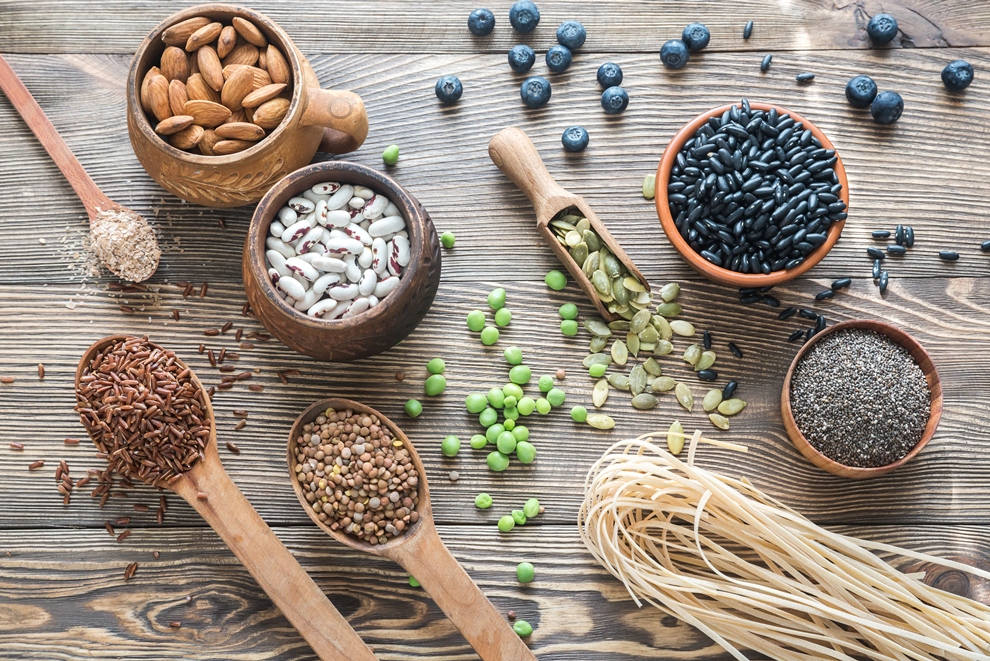
Fibre and IBS-C: Why More Fibre Can Make Constipation Worse
IBS is heavily influenced by what you eat. If you’ve got the condition, dietary advice is normally quite simple: eat more fibre, eat less fat. That makes sense, as fibre can soften stools, easing symptoms like constipation.
The problem is that not all fibre behaves the same way. While some types soften stools, others can aggravate bloating, gas, and discomfort. It’s the difference between soluble and insoluble fibre.
Below, we explore which types of fibre are best for IBS-C and how to increase your intake without making symptoms worse. For people who continue to struggle despite dietary changes, we're also exploring potential new treatments through our IBS-C study.
Why Can a High-Fibre Diet Make Constipation Worse?
Fibre comes in two varieties: soluble and insoluble.
Soluble fibre, as the name suggests, absorbs water, forming a gel-like substance that softens stools and makes them easier to pass. Insoluble fibre, by contrast, adds bulk to stools and can accelerate intestinal transit.
Here’s a quick comparison:
Soluble Fibre | Insoluble Fibre | |
How it works | Absorbs water, often forming a gel that softens stools. | Adds bulk to stools and can speed up bowel movements. |
Common sources | Oats, ispaghula husk, linseeds, and certain fruits. | Wheat bran, wholegrains, nuts, and vegetable skins. |
Effect on IBS-C | Generally better tolerated and can ease constipation. | May worsen bloating, gas, and abdominal discomfort. |
Recommendation | Usually preferred for people with IBS-C. | Limit wheat bran if it aggravates symptoms. |
For people with irritable bowel syndrome with constipation (IBS-C), adding bulk doesn’t necessarily solve the problem.
Wheat bran, for example, is rich in insoluble fibre. While it’s often recommended for constipation generally, it can worsen bloating, gas, and abdominal discomfort in people with IBS.Especially if you don’t increase your water intake at the same time.
NICE explicitly warns against insoluble fibre for IBS, particularly bran, and recommends soluble fibres instead.
Which Types of Fibre Are Best for IBS-C?
Ispaghula Husk and Fybogel for IBS
Ispaghula husk, also called psyllium, is a soluble, gel-forming fibre that’s often helpful for IBS-C. It absorbs water, increases stool softness, and makes bowel movements easier. In the UK, it’s often sold or prescribed under the brand name Fybogel.
A randomised trial involving 275 people with IBS found psyllium relieved IBS better than placebo during the first two months. Just remember to drink enough water when taking fibre supplements.
Linseed for Constipation
Linseed (flaxseeds) contain both soluble and insoluble fibre. While it may increase bloating and gas, some people find the combination of fibres beneficial. It supports stool consistency and is easy to incorporate into meals.
Can Kiwi Fruit Help Constipation?
Kiwi fruits contain dietary fibre and other components that can help people with IBS-C. A 2023 trial involving people with functional constipation and IBS-C reported that kiwifruit improved complete spontaneous bowel movements and gastrointestinal discomfort.
The skin is also packed with fibre, though most people discard it.
What About Prunes for Constipation?
Prunes contain both fibre and sorbitol, a naturally occurring sugar alcohol that draws water into the bowel. They’re famed for improving bowel movements. The downside is that they can aggravate bloating and gas in people with IBS.
How to Increase Fibre Without Making IBS-C Worse
Increasing fibre can help constipation, but too much too quickly can worsen bloating and discomfort. Here's how to avoid that:
Increase fibre gradually. Introduce one change at a time rather than dramatically increasing your intake overnight. This gives your digestive system time to adjust and helps you identify which types of fibre you tolerate best.
Drink plenty of water. Fibre needs sufficient fluid to soften stools, particularly bulk-forming fibres like ispaghula husk. Without enough water, stools may become harder to pass, potentially worsening constipation.
Monitor your symptoms. Keep track of bowel movements, stool consistency, bloating, and abdominal discomfort. More frequent bowel movements don't necessarily mean your IBS is improving. If symptoms worsen, consider adjusting your fibre intake rather than continuing to increase it.
Consider other dietary triggers. Fibre isn't the only dietary factor affecting IBS. Certain fermentable carbohydrates can also cause symptoms. Learn more in our Low-FODMAP Beginner's Guide.
Learn More About IBS-C Research
More fibre isn’t always better. Some people with IBS-C continue to experience constipation and other symptoms despite adjusting fibre intake. Other factors, including bowel motility and pelvic floor coordination, can influence how easily stools pass.
If symptoms persist, you should speak to your GP rather than continuing to increase fibre intake. Some people may also be eligible to participate in a clinical trial.
At The Functional Gut Clinic, we're involved in research exploring potential treatments for IBS-C.
Explore our IBS-C clinical trial to learn more about the study and find out whether you could be eligible to participate.
You may like to read the next article: Bloating and Pain with IBS-C: Why Constipation Makes You Swell

Hear from people we’ve helped, just like you.
"Very professional while welcoming and friendly"
"The manner and demeanour of all staff from reception to people carrying out the test was very professional but welcoming and friendly. Atmosphere is very relaxed and all instructions clear and concise."
London Patient

"Highly recommend this"
"Thanks to Dr Hobson and everyone at the Functional Gut Clinic. The whole team is very kind and generous and they are doing things that are cutting edge and they actually get results."
Manchester Patient
"Highly recommend this"
"After stopping my lansoprazole, every time I had a warm drink, I could feel it burn all the way down to my stomach. Thank you to Sam for making me feel at ease." - Manchester Patient
"My experience could not be better"
"Pleasant and knowledgeable staff that made the experience more enjoyable than it should be!" - London Patient
"Very friendly and knowledgeable"
"An excellent service from beginning to end. I would recommend to anyone who was considering having testing done. Very friendly and knowledgeable!" - Manchester Patient
"Very kind and helpful"
"It was also great to have time to talk to the clinicians – very important when you have problems. Reception staff also very kind and helpful." - Manchester Patient
Are you experiencing any other symptoms
Symptoms are often closely connected. Find out more below.
Reflux

Burning mid-chest, worse when bending or lying down
Constipation

Difficulty going to the toilet, unusual stools, often with stomach ache or intestinal cramps, bloating, nausea or appetite loss
Heartburn
A burning pain in your chest, just behind your breastbone.
The pain is often worse after eating...
Regurgitation

Bringing food or drink back up, difficulty swallowing, feeling that food or drink is stuck in your throat, horrible taste in your mouth
Swallowing Issues
Dysphagia - difficulty swallowing, feeling that food or drink is stuck in your throat, horrible taste in your mouth
Diarrhoea

Loose or explosive stools, can’t get to a toilet in time
Abdominal Pain

Cramps; sharp or dull pain, Bloating, Excessive belching, Nausea or vomiting
Faecal Incontinence
Stools leak unexpectedly, Can’t get to a toilet in time
IBS

Abdominal pain or cramping, bloating, changes in bowel habits and urgency, gas
HEALTH ASSESSMENT
WHO WE ARE
HOW WE HELP YOU
LEARN
SUPPORT
FOLLOW US
© Copyright The Functional Gut Group 2026