
Bloating
Struggling with bloating? Here’s what you need to know to find relief.
ALL TEST ARE ACCREDITED & REGULATED BY



What is bloating?
When you’re bloated, your stomach or abdomen can feel full and uncomfortable, or even painful.
This bloating happens when your gastrointestinal tract contains too much gas or air. Bloating can be mild, or more severe, and may present as:
– A visibly distended or swollen abdomen
– Feeling very full and uncomfortable
– Feeling of tightness in the abdomen
– Excess gas – belching and/or flatulence
– Rumbling or gurgling
There are several causes of bloating, so it’s important to diagnose the cause of your bloating and find out why it’s happening to you.

Why does bloating happen?
Prolonged periods of bloating could indicate an underlying health problem, if so you should see your GP.
Possible causes can include:
Irritable bowel syndrome (IBS diagnosis)
Ulcerative colitis, a form of inflammatory bowel disease (IBD), where the inner lining of the large bowel is inflamed and develops ulcers
Crohn’s disease, the other form of IBD, where some parts of your colon are inflamed
Too much bacteria in your small intestine (called small intestinal bacterial overgrowth, or SIBO)
Gastroesophageal reflux disease
Food intolerances, especially lactose or fructose intolerance
Producing too much gas (dysbiosis and fermentation)
Weight gain
Stress or anxiety
Delays in your food and drink moving on from your stomach (called gastroparesis)
Eating too quickly, so that you swallow too much air (called aerophagia)
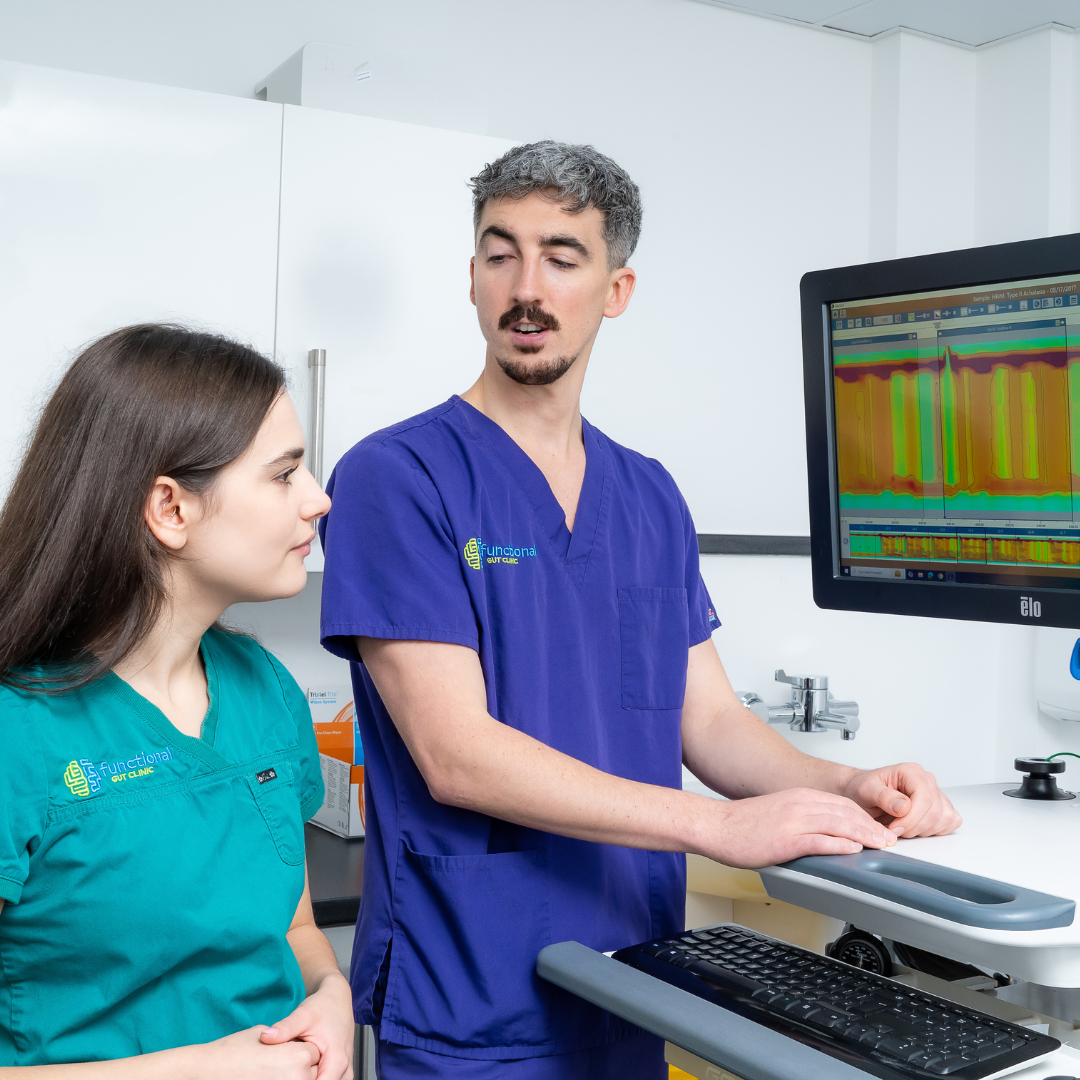
Diagnosing bloating
Feeling bloated is no fun, but once you know what’s going on you can start to manage your symptoms and the underlying causes.
Testing options:
At the Functional Gut Clinic, we can run the following tests to diagnose the causes of bloating:
Gastric emptying test– which measures how quickly food leaves your stomach
Carbohydrate malabsorption breath test– which finds out if you have certain food intolerances (lactose or fructose)
Small intestinal bacterial overgrowth (SIBO) breath test– which finds out if you have an overgrowth of bacteria in your small intestine (called SIBO)
Oesophageal manometry– which measures the function of your oesophagus (food pipe)
24-hour pH impedance monitoring– which looks at whether you have any reflux
Colonic transit study-a non-invasive test which looks at how long it takes for faeces to pass through your bowl
Learn more about bloating
How to Restore Your Gut Microbiome After Antibiotics
Antibiotics are critical for treating bacterial infections. Whether that’s a bad chest infection or something more serious, they’re a wonder of modern medicine. The downside is that they don’t discriminate between “good” bacteria and the “bad” bacteria you want to eliminate.
Antibiotics can affect your gut, leading to temporary symptoms such as bloating, loose stools, nausea, and changes in digestion.
Your gut is a carefully balanced ecosystem of hundreds of bacterial species. Most of these species aid in digestion or provide other vital services. By altering this delicate balance, it can lead to all kinds of digestive problems. That’s why it’s so important to help rebuild gut flora after antibiotics.
What Antibiotics Can Do to Your Gut
Antibiotics are not a targeted treatment. They’re designed to kill or slow the growth of bacteria. If their mechanism works on “good” bacteria, they’ll be affected too.
Because many antibiotics are taken orally, they can have a noticeable effect on the gut microbiome (the community of bacteria in your gut).
Ideally, your gut microbiome would be a balance of many different species. The diversity helps prevent any particular species from dominating. However, because antibiotics disrupt this balance, they open the door to harmful bacteria taking over. That’s why people experience digestive symptoms after a course of antibiotics.
It doesn’t mean antibiotics are bad. But it does mean the gut needs extra support afterward.
How Long Does Gut Recovery Take After Antibiotics?
That depends on the individual, the type of antibiotics, and the length of the course.
A single dose of amoxicillin could cause disruption. But it’s not the same as two weeks of the same medication.
The gut can recover, but the process is not always immediate or complete. In a 2022 study, adults were given a course of antibiotics. After 6 months, only 63.4% of the species they started with had recovered. Many core bacterial species remained absent or at low levels.
That said, if an individual eats the right foods, has good sleep, low stress, and avoids repeated antibiotic use, it’s possible to speed up the recovery process.
How to Restore Gut Microbiome After Antibiotics
Eat More Fibre to Feed Helpful Gut Bacteria
Fibre is the best food for bacteria. If you want to boost numbers, supplying them with ample high-fibre food is one of the best ways to support the gut after antibiotics.
Eat foods like:
Oats
Beans and lentils
Vegetables
Fruit
Wholegrains
Nuts and seeds
If you have IBS, bloating, or suspected SIBO, you may need to increase fibre gradually. Sudden increases in fibre can worsen symptoms.
Add Fermented Foods Carefully
Fermented foods contain live bacteria that may help support the gut microbiome. People who routinely consume fermented foods have better gut health outcomes. They reduce digestive symptoms and help restore the natural balance of species.
The most common fermented foods include:
Live yoghurt
Kefir
Sauerkraut
Kimchi
Miso
Tempeh
Should You Take Probiotics After Antibiotics?
Probiotics can definitely help in some cases, especially with antibiotic-associated diarrhoea. However, they’re not a guaranteed way to restore gut flora after antibiotics. At least, not alone.
Probiotics should be part of a holistic treatment plan, together with eating whole foods, reducing stress, and getting enough sleep. People who are immunocompromised or seriously unwell should seek medical advice before taking probiotics.
Avoid Making Recovery Harder
Gut health recovery isn’t just about doing the right things. If you’re drinking alcohol, eating ultra-processed foods, and not getting enough sleep, all the good things you’re doing might have little effect. You’re fighting an uphill battle.
Try to avoid:
Very low-fibre diets
Heavy alcohol intake
Ultra-processed foods
Poor sleep
High stress
Repeated unnecessary antibiotic use
Still Struggling with Gut Symptoms After Antibiotics?
If digestive symptoms appear shortly after a course of antibiotics, there may be a clear connection. Antibiotics can disrupt the balance of bacteria in your gut, which may lead to bloating, diarrhoea, constipation, abdominal discomfort, or a general sense that your digestion has not returned to normal.
The Functional Gut Clinic provides diagnostic testing for your gut microbiome, helping to assess your current bacterial diversity and identify imbalances that may be contributing to ongoing symptoms. We can advise on targeted dietary measures, lifestyle changes, or supplements that may support your gut recovery after antibiotics.
Explore our microbiome testing to learn more and discover how we can help you rebuild your gut health with clearer answers.
Read the next article: Gut Microbiome and Blood Sugar: The Link to Insulin Resistance and Type 2 Diabetes

Hear from people we’ve helped, just like you.
"Very professional while welcoming and friendly"
"The manner and demeanour of all staff from reception to people carrying out the test was very professional but welcoming and friendly. Atmosphere is very relaxed and all instructions clear and concise."
London Patient

"Highly recommend this"
"Thanks to Dr Hobson and everyone at the Functional Gut Clinic. The whole team is very kind and generous and they are doing things that are cutting edge and they actually get results."
Manchester Patient
"Highly recommend this"
"After stopping my lansoprazole, every time I had a warm drink, I could feel it burn all the way down to my stomach. Thank you to Sam for making me feel at ease." - Manchester Patient
"My experience could not be better"
"Pleasant and knowledgeable staff that made the experience more enjoyable than it should be!" - London Patient
"Very friendly and knowledgeable"
"An excellent service from beginning to end. I would recommend to anyone who was considering having testing done. Very friendly and knowledgeable!" - Manchester Patient
"Very kind and helpful"
"It was also great to have time to talk to the clinicians – very important when you have problems. Reception staff also very kind and helpful." - Manchester Patient
Are you experiencing any other symptoms
Symptoms are often closely connected. Find out more below.
Reflux
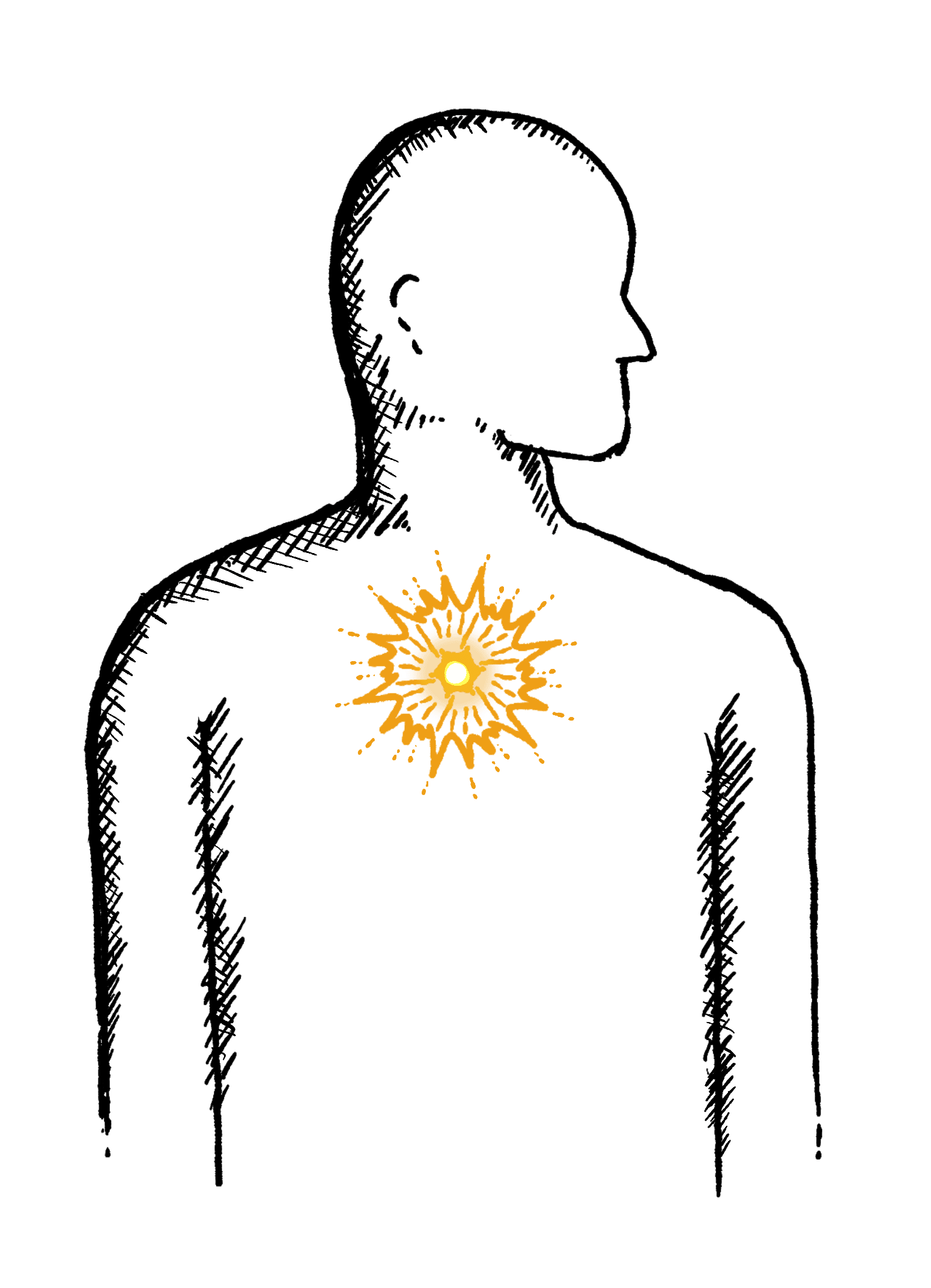
Burning mid-chest, worse when bending or lying down
Constipation
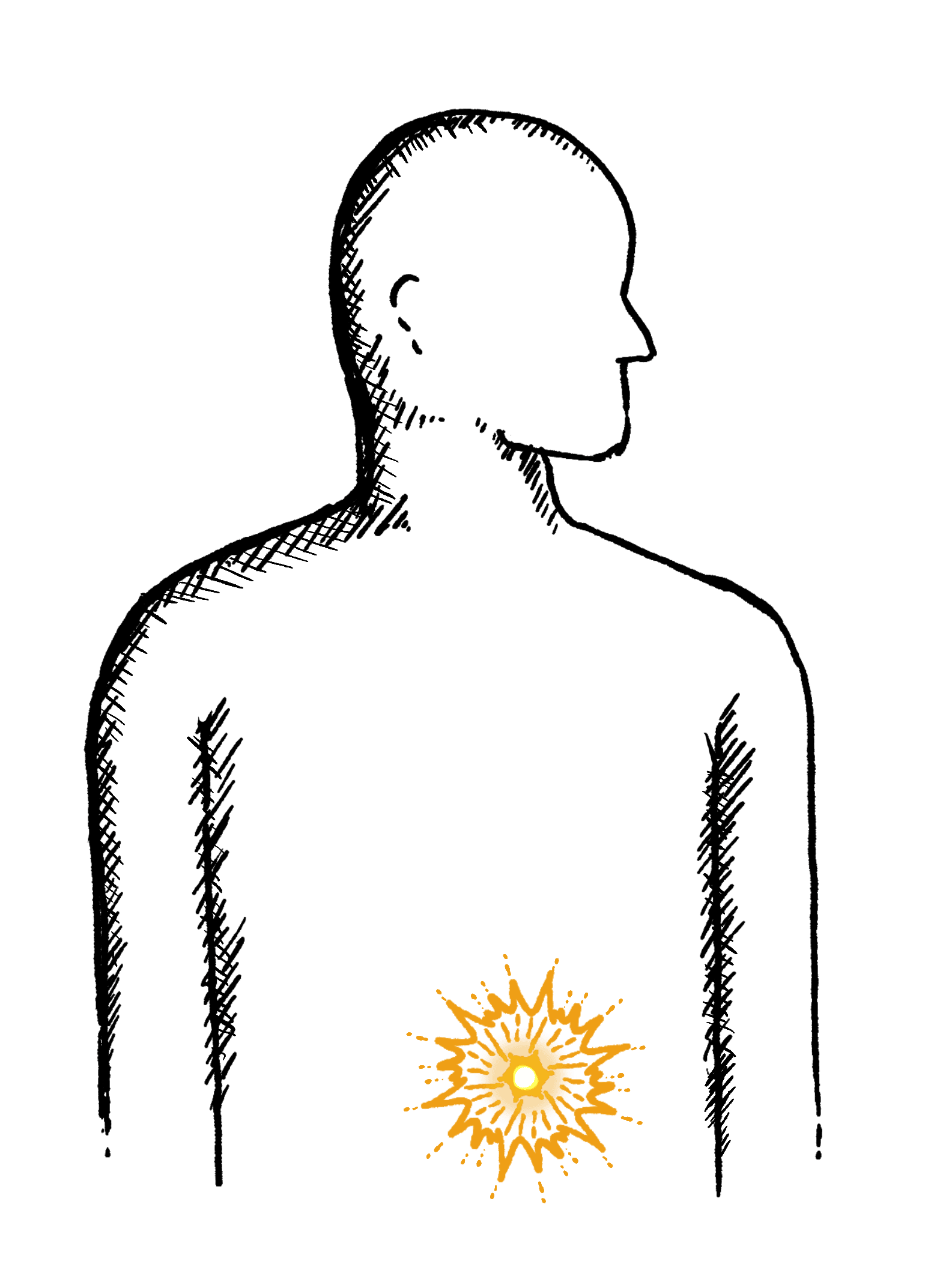
Difficulty going to the toilet, unusual stools, often with stomach ache or intestinal cramps, bloating, nausea or appetite loss
Heartburn
A burning pain in your chest, just behind your breastbone.
The pain is often worse after eating...
Regurgitation
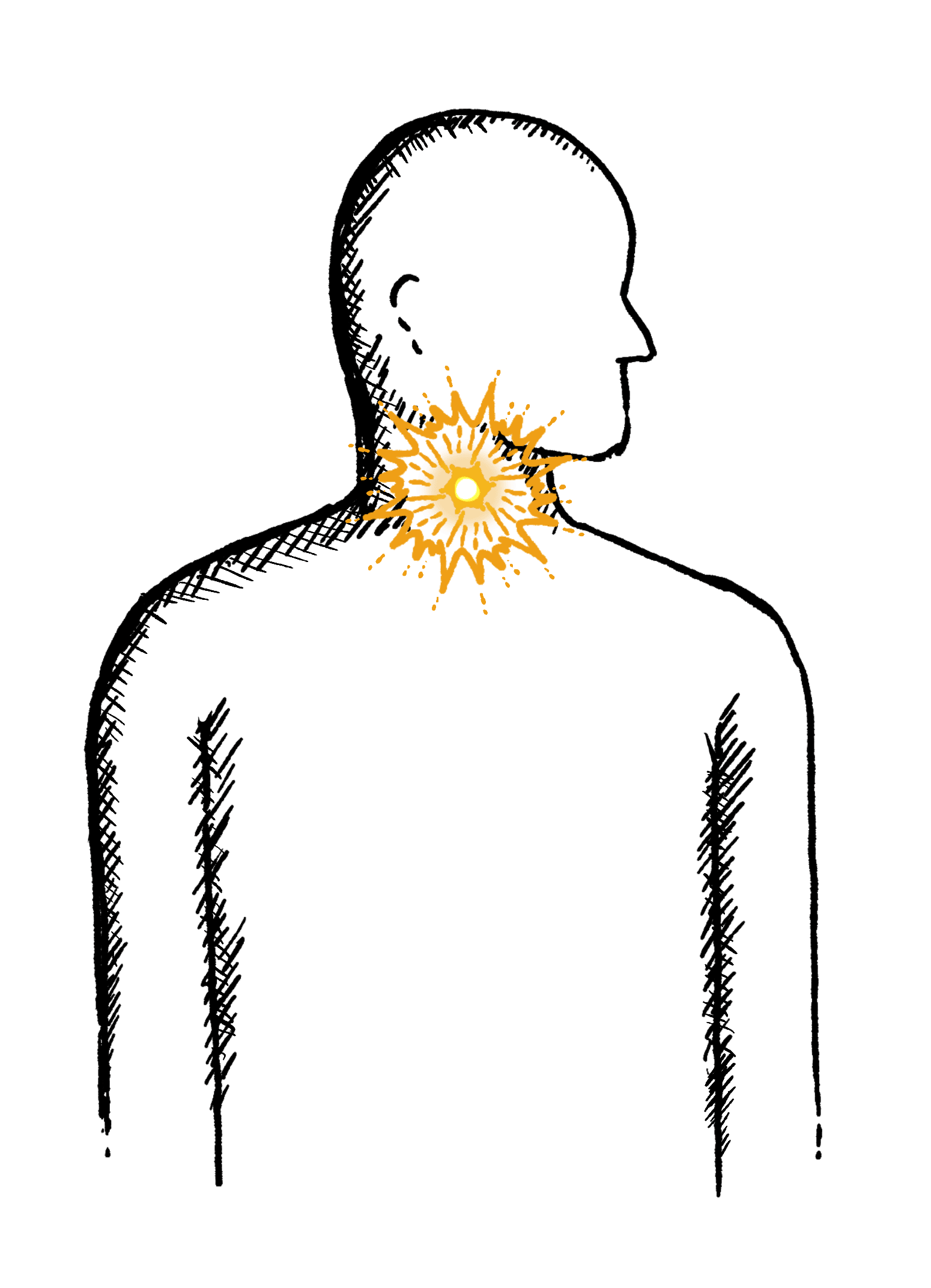
Bringing food or drink back up, difficulty swallowing, feeling that food or drink is stuck in your throat, horrible taste in your mouth
Swallowing Issues
Dysphagia - difficulty swallowing, feeling that food or drink is stuck in your throat, horrible taste in your mouth
Diarrhoea
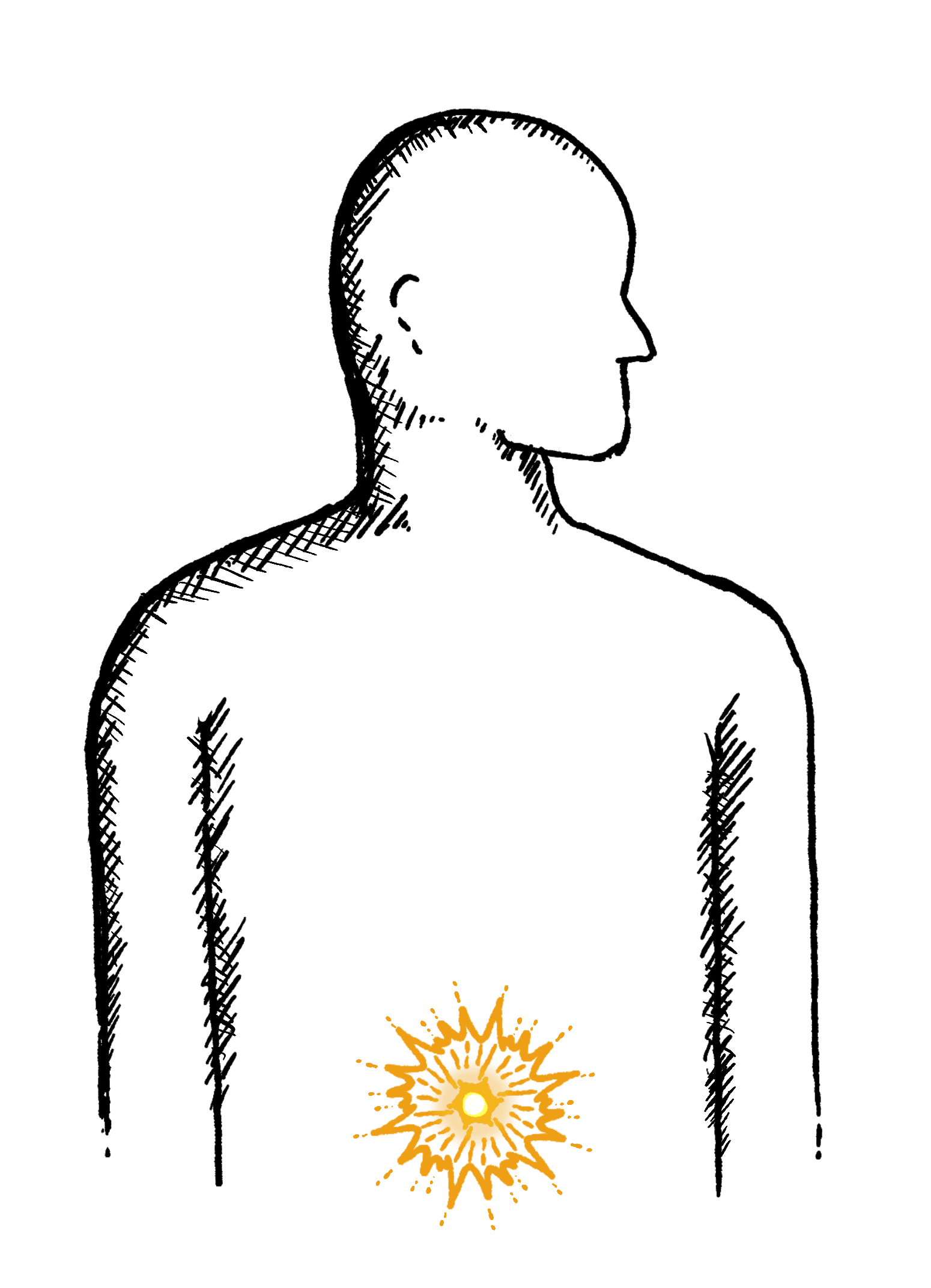
Loose or explosive stools, can’t get to a toilet in time
Abdominal Pain
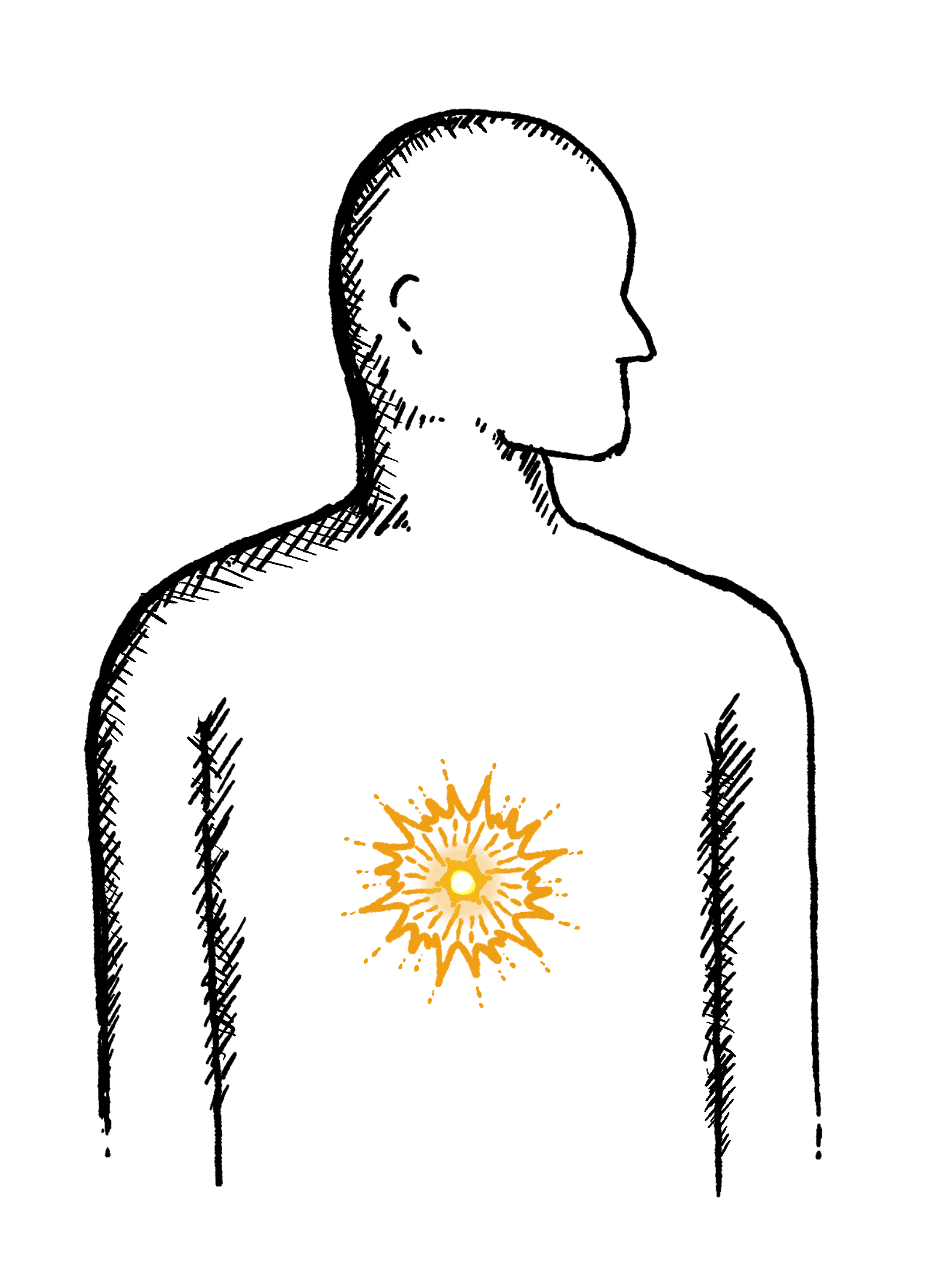
Cramps; sharp or dull pain, Bloating, Excessive belching, Nausea or vomiting
Faecal Incontinence
Stools leak unexpectedly, Can’t get to a toilet in time
IBS
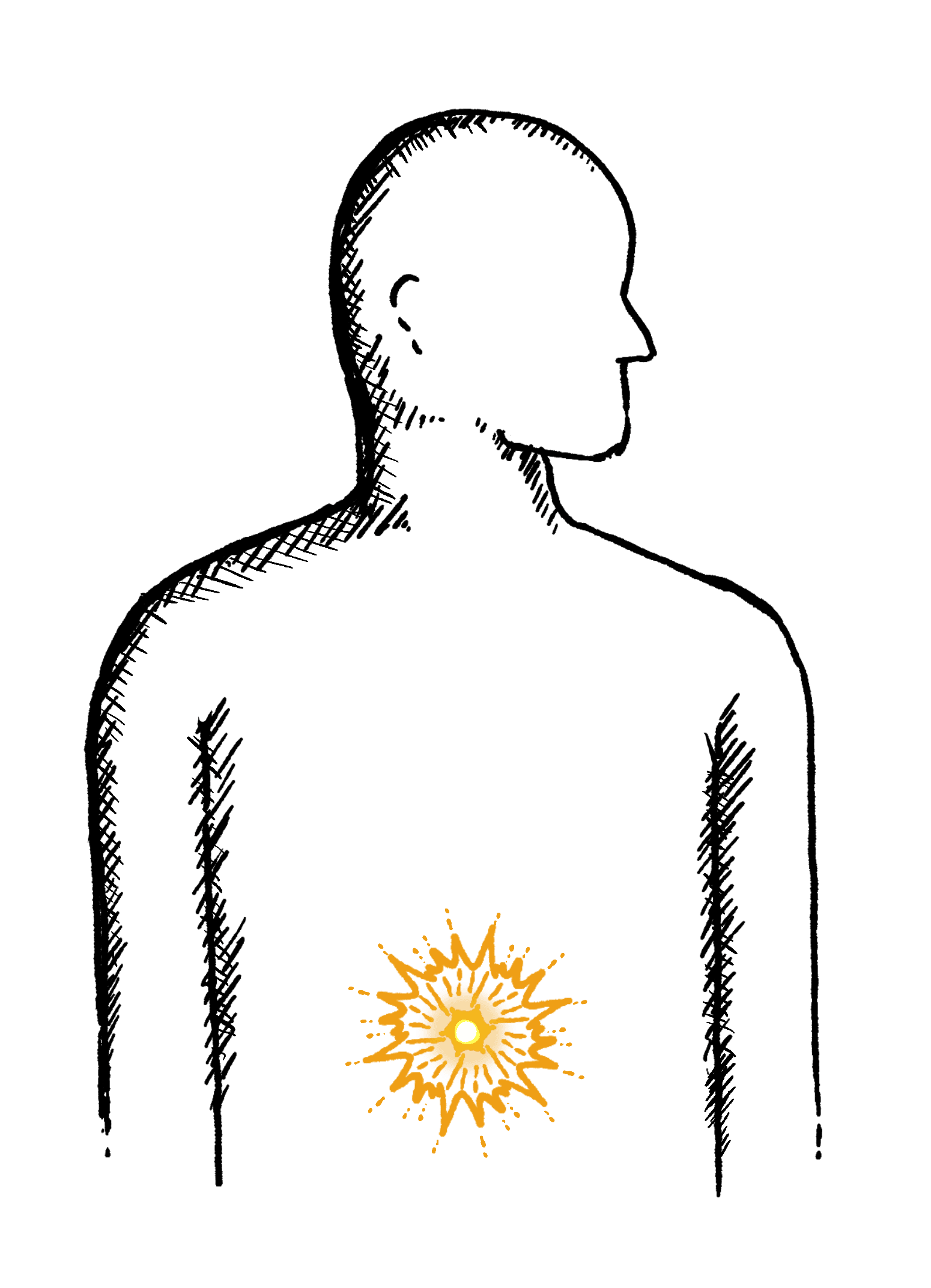
Abdominal pain or cramping, bloating, changes in bowel habits and urgency, gas
HEALTH ASSESSMENT
WHO WE ARE
HOW WE HELP YOU
LEARN
SUPPORT
FOLLOW US
© Copyright The Functional Gut Group 2026