
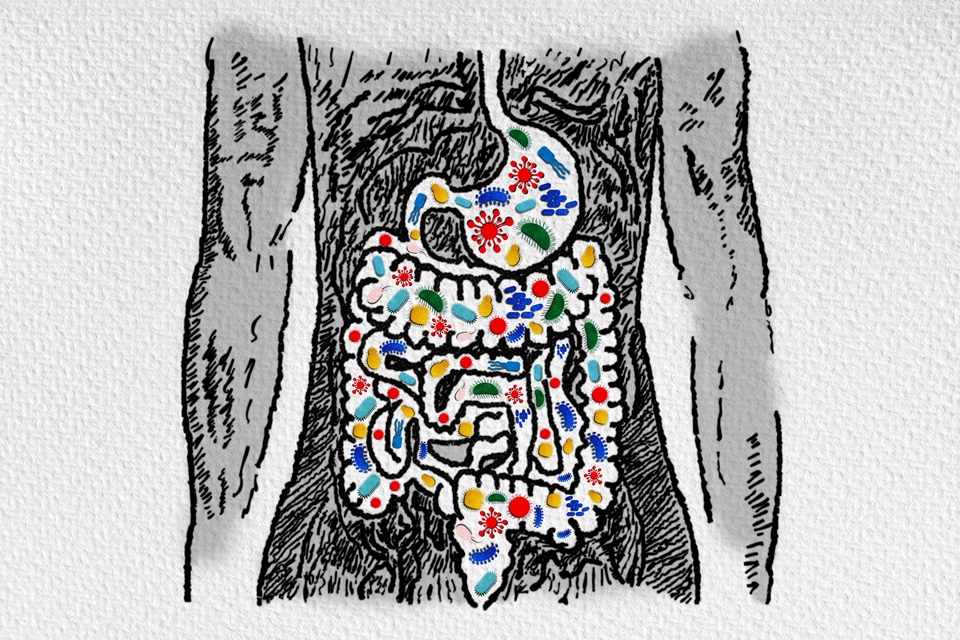
How Gut Bacteria Make Vitamins and Support Nutrient Absorption
Digestion isn’t just the mechanical process of breaking down food. What your body can’t absorb gets fermented by your gut bacteria. That might sound bad, but it’s how they extract, transform, and produce nutrients.
In fact, your body relies on them to produce specific vitamins — especially certain B vitamins and vitamin K.
Most vitamins still come from food, sunlight, or supplementation. But it is a vital source that supports your overall health. Here’s how the bacteria do it.
Do Gut Bacteria Make Vitamins?
Yes, some gut bacteria can make vitamins.
Your gut bacteria evolved alongside humans for millions of years. The most beneficial ones that stuck around provided a vital service.
While the vitamins can benefit people, production varies considerably from person to person, depending on microbiome composition, diet, gut health, antibiotic exposure, and overall health.
Plus, the bacteria also consume and compete for vitamins. So, it’s not quite as simple as “gut bacteria make vitamins for you.”
Which Vitamins Can Gut Bacteria Produce?
Your gut is not just where vitamins are absorbed. In some cases, the bacteria living there help make them, especially certain B vitamins and vitamin K.
Gut bacteria are best known for helping produce B vitamins. A 2024 review found that the human gut microbiome has the ability to make several vitamins, especially group B vitamins such as folate, riboflavin, niacin, biotin, and others.
They can also produce forms of vitamin K. Some gut microbes can produce menaquinones, also known as vitamin K2, and research suggests the gut microbiome may also help remodel dietary vitamin K into other forms, although how much you absorb can vary.
Vitamin B12 is the one to be more careful with. Some gut microbes can produce or use vitamin B12-related compounds, but that does not mean your microbiome can reliably meet your B12 needs, so you still need enough from food, fortified products, or supplements where appropriate.
How the Microbiome Supports Vitamin Digestion and Nutrient Absorption
Gut microbes have a bigger impact on nutrients than just producing vitamins. They can influence overall absorption.
Your gut lining largely determines nutrient absorption. Gut microbes can break down fibres and resistant starches to produce short-chain fatty acids, which support the gut lining.
Plus, bacteria affect how quickly food moves through your gut. The faster it moves, the fewer nutrients are absorbed.
Vitamin D and Gut Health
Vitamin D is not mainly made by gut bacteria. It’s either absorbed from food and supplements or produced in the skin after sunlight exposure.
But gut bacterial health is linked to vitamin D.
A systematic review found that vitamin D may influence gut microbiome composition. However, studies varied in design and results. Moreover, low vitamin D is common in some groups who consume a restrictive diet or who have problems with absorption.
The Best Vitamins for Gut Health
There is no single “best vitamin for gut health”. It all depends on your diet, symptoms, medical history, and absorption.
That said, vitamin D, B12, folate, iron, magnesium, and zinc can help with fatigue, gut symptoms, and malabsorption.
It’s far better to focus on the actual foods you eat. Adding high-fibre foods to your diet can support your gut microbiome, improve nutrient absorption, and increase production of vital vitamins.
If you’re still deficient in certain vitamins, supplementation is worth considering.
When to Consider Testing or Getting Professional Support
Your gut bacteria can help produce certain vitamins. But that’s only part of the equation. If you’re experiencing persistent gut symptoms despite dietary changes, it’s worth getting proper support.
Proper testing may be useful if you have:
Ongoing bloating, diarrhoea, constipation, or abdominal discomfort
Fatigue, brain fog, or unexplained low energy
Low B12, vitamin D, iron, folate, or other nutrient deficiencies
Food reactions or a very restricted diet
IBS, IBD, coeliac disease, or a history of gut surgery
Symptoms that improve briefly, then keep returning
Testing can help identify poor digestion, inflammation, or a microbial imbalance. In fact, modern tests can give you a comprehensive understanding of your gut microbiome.
To understand what is happening in your own gut, The Functional Gut Clinic’s Microbiome Clinic offers advanced gut microbiome testing, expert interpretation, and tailored guidance to help you make more informed changes.
Read the next article: The Oral Microbiome: How the Bacteria in Your Mouth Affect Your Gut Health


