
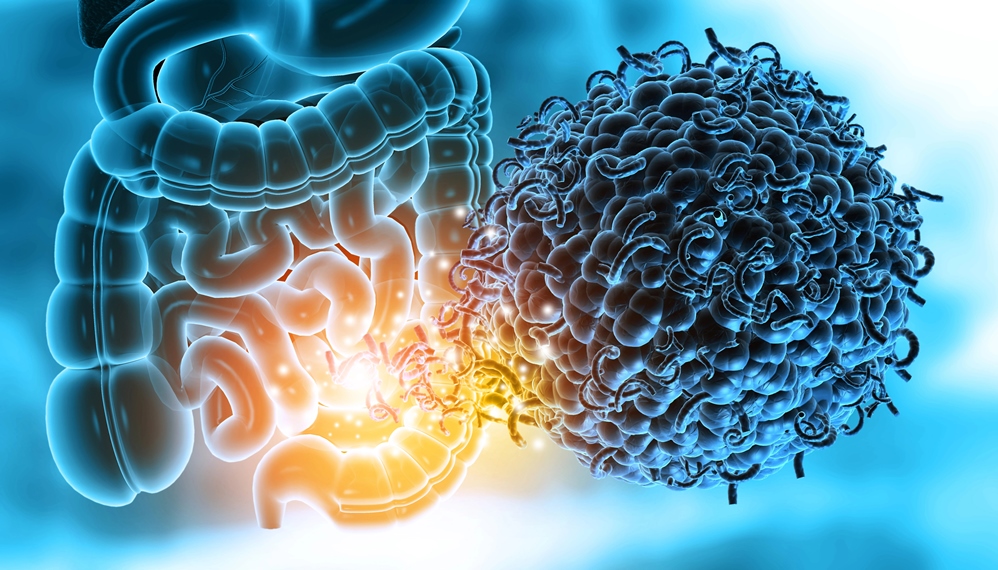
The Gut-Skin Axis: How Gut Health Affects Acne, Eczema & Rosacea
Ever notice that your skin flares up whenever you eat fast food, take antibiotics, or have a stomach bug? It’s not a coincidence. What happens in your gut affects how the rest of your body functions.
If you struggle with skin conditions like acne, eczema, and rosacea, the effects can be especially pronounced. That’s down to the gut-skin axis. It’s the relationship between your gut microbiome (the microorganisms living in your gut) and your skin itself.
After all, they’re both barriers to the outside world.
Below, we explore the gut-skin axis, including how eczema, acne, and rosacea are linked to gut health, and what you can do about it (including visiting a microbiome clinic).
What Is the Gut-Skin Axis?
In the womb, the human body forms like a tube. There’s the inside of the tube (your gut), where digestion happens, and the outside of the tube (your skin), which acts as a barrier to the outside world.
But they’re both serving the same fundamental purpose; protecting your internal functions from harmful organisms. In fact, they both rely on bacteria and other microorganisms to work effectively.
The gut-skin axis refers to the relationship between the bacteria in your gut and the effectiveness of your skin as a barrier. Indeed, several skin and gut conditions are linked. For example, inflammatory bowel disease (IBD) can present with psoriasis or eczema, which is similar to coeliac disease.
The big link is inflammation. Gut bacteria help modulate the immune system. “Good” gut bacteria like Faecalibacterium prausnitzii can help reduce inflammation, whereas “harmful” bacteria cause it to spike.
Gut Health and Rosacea
Rosacea is one of the skin conditions most commonly linked to the gut-skin axis. Research found higher rates of digestive issues such as IBS, IBD, and small intestinal bacterial overgrowth (SIBO) in people with rosacea. This characteristic facial redness, flushing, and irritation are especially connected to gut inflammation and microbiome imbalances.
People with rosacea may also notice specific dietary triggers such as alcohol or spicy foods. The underlying mechanism is probably systemic inflammation and or changes to the gut barrier. By eliminating trigger foods, it might be possible to reverse or even eliminate symptoms.
Can Gut Bacteria Affect Acne and Eczema?
Gut Bacteria and Acne
Not all acne is connected to gut bacteria. Because the mediating factor is inflammation, it’s generally the redder, more painful, and more inflamed acne that worsens as your gut microbiome deteriorates. Most commonly, these outbreaks occur along the lower face or jawline.
This isn’t just pop science. In one study, Lactobacillaceae exhibited a protective effect against acne. Researchers have also identified differences in several other bacterial species linked to acne risk.
Microbiome and Eczema
Eczema is the condition that fluctuates the most with gut health. It is, after all, purely an inflammatory condition.
Studies indicate that people with atopic dermatitis (a type of eczema) may have a smaller range of gut bacteria than people without the condition. Moreover, by supplementing infants with Lactobacillus rhamnosus and Bifidobacterium animalis every day for 6 months, the risk of developing eczema dropped by half.
Just eating fermented foods, which are known to support gut health, can reduce eczema symptoms.
Signs Your Gut Health May Be Affecting Your Skin
So, how do you know if your gut health is really behind your skin condition? The surest sign might be if digestive symptoms flare up alongside your skin. Look for symptoms like bloating, irregular bowel habits, and food sensitivities.
Common inflammation-related triggers include stress, poor diet, alcohol, and lack of sleep. That means you’ll need to consider all these factors as you determine the true cause (often it’s a combination).
The other option is to take a gut microbiome test. It looks at your gut microbiome, measuring the species diversity, and identifying any potential causes. It can tell you if you need to supplement with a specific bacterial species or not.
How to Support the Gut-Skin Axis Naturally
Supporting your gut and skin health goes hand-in-hand. Aside from some specific changes (which gut microbiome testing can help determine), most changes are practical and sensible.
They include:
Increase fibre intake
Eat a wider variety of plant foods
Reduce ultra-processed foods
Manage stress
Prioritise sleep
Fermented foods and probiotics are also sensible. They can help recolonise your gut with beneficial bacteria if you’re dealing with a depleted gut microbiome. Just be careful, as symptoms can flare up when first introducing probiotics or making major dietary changes. The advice is to always start small and work your way up gradually.
What matters most is consistency. Gut resets are a great starting place. However, without consistent good habits, you’ll be stuck in a cycle of symptom flare-ups.
If you’re struggling with ongoing skin flare-ups alongside digestive symptoms, it may be worth looking deeper into your gut health. At The Functional Gut Clinic, we help patients uncover potential gut-related drivers behind symptoms like bloating, IBS, rosacea, and eczema through evidence-based testing and personalised support.
Read the next article: Akkermansia muciniphila: The Beneficial Gut Bacterium Linked to Metabolism, Weight and Gut Lining Health


