
The Oestrobolome: How Gut Bacteria Influence Oestrogen Levels
Hormones aren’t just controlled by the ovaries or glands. We might think of the reproductive and digestive systems as wholly unrelated. But they’re not. Your gut plays a key role in regulating hormone levels through the oestrobolome.
The oestrobolome refers to the microbes in your gut that metabolise oestrogen. Because oestrogen is reabsorbed, gut bacteria can regulate how much oestrogen there is in the body. This has implications for everything from mood and menstrual health to breast cancer and menopause.
Below, we’ll explain what the oestrobolome is, how it works, and what you can do to support it, including taking a gut microbiome test.
What Is the Oestrobolome?
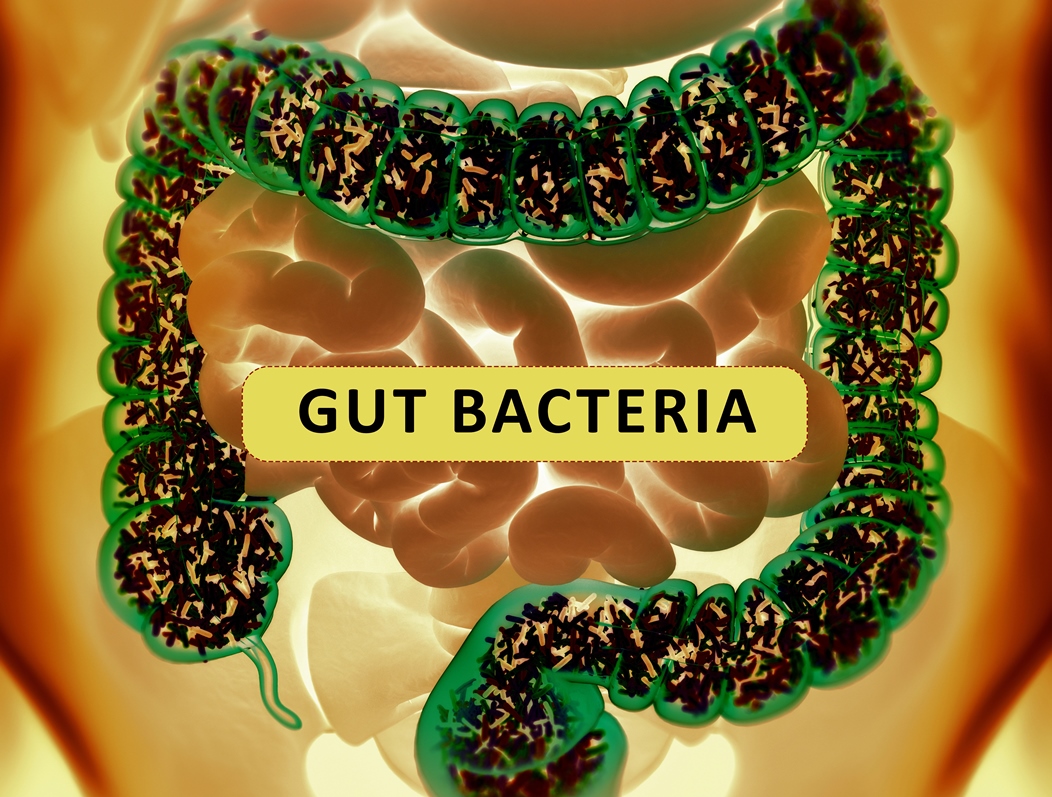
Your gut is home to trillions of bacteria. They’re known as the gut microbiome, and they’re responsible for numerous helpful functions, from aiding digestion to producing key nutrients.
But there’s a specific group of bacteria known as the oestrobolome that specifically metabolise oestrogen. While they’re part of the broader microbiome, they help regulate circulating oestrogen levels by determining how much oestrogen is reabsorbed.
If disrupted, it can cause many of the symptoms associated with hormone dysregulation in women. They’re also important in menopause as oestrogen levels decline.
How Gut Bacteria Influence Oestrogen Levels
The Oestrogen Recycling Process (Explained Simply)
Oestrogen doesn’t just get produced and used once. Your body constantly processes and recycles it.
After oestrogen has done its job, it’s broken down in the liver and sent into the digestive tract. It’s marked for removal. However, certain microbes produce an enzyme called beta-glucuronidase, which can “unlock” oestrogen and allow it to be reabsorbed back into the bloodstream.
If that happens, oestrogen continues circulating. If not, it passes through and is excreted. So, the gut acts as a kind of checkpoint, influencing oestrogen levels in circulation.
Why This Balance Matters
The recycling process is part of your body’s physiology. We evolved to work alongside these microbes for millions of years. When everything does its job, oestrogen levels remain stable and predictable. When they don’t, levels can start to shift in ways that affect how you feel.
If too much oestrogen is reabsorbed, it can lead to symptoms like bloating, heavier periods, or hormonal acne. On the other hand, if too little is reabsorbed, circulating oestrogen may drop, which can contribute to fatigue, low mood, or cycle changes.
Just remember, they function more like a dial than a source, subtly adjusting levels based on the state of your microbiome.
What Happens When the Oestrobolome Is Disrupted
Your gut bacteria can become unbalanced. Usually, this means their numbers are declining, leading to a drop in oestrogen levels. But the reverse can happen to. This is known as dysbiosis.
You may notice:
Oestrogen dominance symptoms
Irregular menstrual cycles
Bloating and digestive discomfort
Skin issues (e.g., acne)
Mood fluctuations
Symptoms will vary depending on how severe the dysbiosis is. However, most of the time, the symptoms are missed because of the overlap with other conditions. Often people rarely check the gut-hormone link.
The Link Between Gut Bacteria and Hormonal Conditions
Gut bacteria in the oestrobolome aren’t just responsible for good health; they can also contribute to several hormonal conditions.
Dysbiosis is linked to endometriosis. Studies indicate that endometriosis can induce microbiota changes, leading to diminished levels of Lactobacillus, a dominant “good” bacterium. Preliminary treatments with antibiotics have had some success in treating the condition.
In rats, changes in the gut microbiome caused a form of polycystic ovarian syndrome (PCOS). Treating the rats with Lactobacillus improved symptoms and the oestrous cycle in all rats studied.
Menopause is also closely tied to the oestrobolome. As the body produces less oestrogen, the bacteria in the gut go without a food supply. Their numbers begin to diminish. This can further lower oestrogen levels, causing a negative feedback loop. But by supporting these bacteria, it’s possible to elevate oestrogen levels.
How to Support a Healthy Oestrobolome
Diet Comes First
Fibre intake is critical. It helps feed the beneficial bacteria, ensuring healthy numbers. Fermented foods are also rich in Lactobacillus, providing a boost if levels drop. Cruciferous vegetables such as broccoli and cabbage can support oestrogen metabolism.
Lifestyle Factors That Matter
It’s not so much what you can do but also what not to do. Eating a lot of processed foods, lack of sleep, and high stress levels all contribute to dysbiosis. Avoiding unnecessary antibiotics is also helpful as they can severely diminish healthy bacteria levels.
Targeted Support (If Needed)
If necessary, probiotics can provide a more targeted supply of beneficial bacteria. You can also seek professional support.
The Functional Gut Clinic offers microbiome testing in the UK. We can analyse your current microbiome levels, to determine what your gut health currently looks like. From there, you can get personalised advice on diet, lifestyle, and potential supplements to take in order to support your gut health.
You find the next article interesting to read: Fibre and Short-Chain Fatty Acids: Feeding Your Microbiome


