
Bloating
Struggling with bloating? Here’s what you need to know to find relief.
ALL TEST ARE ACCREDITED & REGULATED BY



What is bloating?
When you’re bloated, your stomach or abdomen can feel full and uncomfortable, or even painful.
This bloating happens when your gastrointestinal tract contains too much gas or air. Bloating can be mild, or more severe, and may present as:
– A visibly distended or swollen abdomen
– Feeling very full and uncomfortable
– Feeling of tightness in the abdomen
– Excess gas – belching and/or flatulence
– Rumbling or gurgling
There are several causes of bloating, so it’s important to diagnose the cause of your bloating and find out why it’s happening to you.

Why does bloating happen?
Prolonged periods of bloating could indicate an underlying health problem, if so you should see your GP.
Possible causes can include:
Irritable bowel syndrome (IBS diagnosis)
Ulcerative colitis, a form of inflammatory bowel disease (IBD), where the inner lining of the large bowel is inflamed and develops ulcers
Crohn’s disease, the other form of IBD, where some parts of your colon are inflamed
Too much bacteria in your small intestine (called small intestinal bacterial overgrowth, or SIBO)
Gastroesophageal reflux disease
Food intolerances, especially lactose or fructose intolerance
Producing too much gas (dysbiosis and fermentation)
Weight gain
Stress or anxiety
Delays in your food and drink moving on from your stomach (called gastroparesis)
Eating too quickly, so that you swallow too much air (called aerophagia)
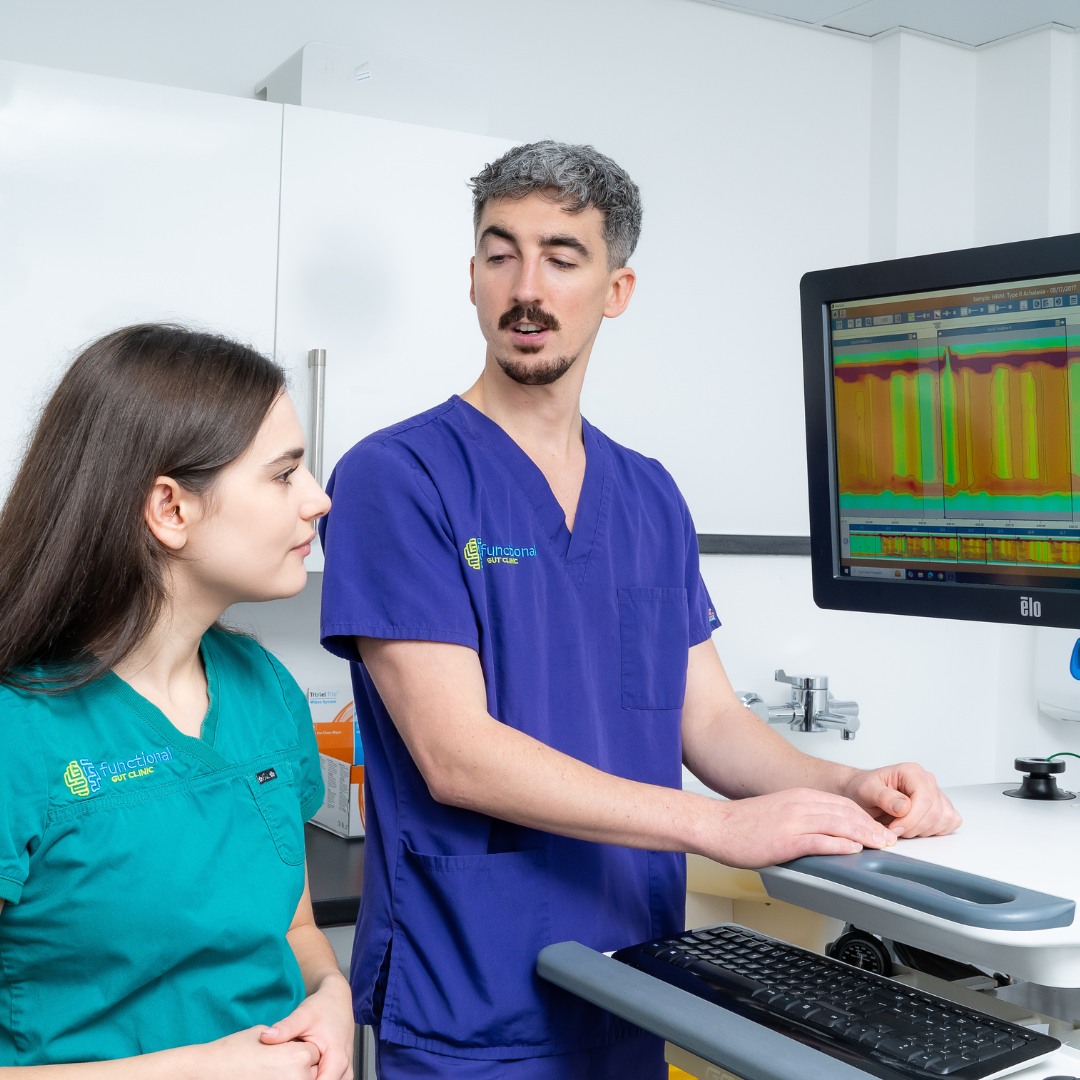
Diagnosing bloating
Feeling bloated is no fun, but once you know what’s going on you can start to manage your symptoms and the underlying causes.
Testing options:
At the Functional Gut Clinic, we can run the following tests to diagnose the causes of bloating:
Gastric emptying test– which measures how quickly food leaves your stomach
Carbohydrate malabsorption breath test– which finds out if you have certain food intolerances (lactose or fructose)
Small intestinal bacterial overgrowth (SIBO) breath test– which finds out if you have an overgrowth of bacteria in your small intestine (called SIBO)
Oesophageal manometry– which measures the function of your oesophagus (food pipe)
24-hour pH impedance monitoring– which looks at whether you have any reflux
Colonic transit study-a non-invasive test which looks at how long it takes for faeces to pass through your bowl
Learn more about bloating

IBS-C Treatment Not Working? What to Try Next
IBS-C is a subtype of IBS where constipation symptoms are predominant. Depending on the severity, your doctor may prescribe laxatives or advise on lifestyle changes to help manage your condition. These treatments do not always work straight away, and finding relief can take some adjustment.
If your treatment is not working immediately, it does not mean you have exhausted all your options. NICE currently recommends a stepped approach rather than jumping straight from basic measures to specialist treatment.
Another option for some people is taking part in research. Follow the link to learn more about a current research study for irritable bowel syndrome with constipation.
How Long Should You Give an IBS-C Treatment to Work?
Some laxatives work within days, while other treatments need several weeks. The right time to review treatment depends on what you are taking.
Here are a few examples:
antidepressants (like amitriptyline) used for IBS may take a few weeks to have an effect
NICE recommends reviewing a newly prescribed TCA after around four weeks
linaclotide should be reviewed after three months
If you have no relief after a few days, check how long your treatment is expected to take and speak to your GP about alternatives. Seek advice sooner if you develop troublesome side effects.
If Laxatives Aren’t Working, What Comes Next?
Laxatives can help with constipation in IBS-C but they’re not the only option. Usually, if you’re not experiencing symptom relief, your doctor can adjust the dose or try a different class. There are several types of laxatives.
Dietary changes, getting enough fluid, and choosing a suitable type of fibre may also help.
Laxatives can work alongside these measures. But if you experience increased bloating, cramping, or flatulence (especially with lactulose), ask your GP or pharmacist about an alternative. NICE advises against lactulose for IBS due to its side effects, such as bloating.
When Might Linaclotide Be Considered?
Linaclotide is not a first-line treatment. NICE says it can be considered for IBS when:
constipation has persisted for at least 12 months
adequate or maximum tolerated doses of laxatives from different classes have not worked
Linaclotide works differently from standard laxatives, so it may help when others have not. Your doctor should review your symptoms after three months and decide with you whether to continue.
What If Constipation Isn’t the Only Problem?
IBS-C might have constipation as the main symptom, but it’s rarely the only thing going on. Persistent abdominal pain, cramping, and gut sensitivity can remain even when constipation improves.
Low-dose tricyclic antidepressants like amitriptyline may be considered as a second-line IBS treatment when initial medicines have not helped with pain. But they can worsen constipation, so discuss this with your doctor.
Low-dose tricyclic antidepressants help by altering pain signalling in the gut. Your doctor can explain why one might help and what the possible side effects are.
What About Diet, Peppermint Oil and Probiotics?
Medication is not the only option for IBS-C. Before moving further along the treatment pathway, it’s worth checking whether you’ve properly explored some of the other treatments that can help manage symptoms.
These include:
a low FODMAP diet, ideally with guidance from a dietitian
None of these will work for everyone. However, they can form part of a wider treatment plan alongside medication and lifestyle changes.
If you’ve already tried dietary changes and pharmacy treatments without enough improvement, the NHS recommends speaking to your GP about what to try next.
Can Gut-Directed Hypnotherapy or CBT Help?
Communication between the gut and brain can affect IBS symptoms. Stress can make those symptoms harder to manage.
Gut-directed hypnotherapy and CBT are options to consider, particularly when symptoms have not improved after 12 months of treatment.
This does not mean symptoms are imagined. The brain and gut are closely connected, and these therapies can help people manage symptoms and their impact.
When Should You See an IBS Specialist?
IBS is usually managed by a GP. But if your symptoms do not get better despite persistent treatment or your GP suspects another potential cause, seeing a specialist can be a good idea.
The NHS explicitly recommends specialist referral when symptoms are severe and medications have not helped.
If your current IBS-C treatment isn't working, it does not mean you have reached the end of the road. Speak to your GP about how long you have tried your current treatment for, whether another step in the NICE pathway is appropriate, and whether specialist assessment would be useful.
You may also be eligible for clinical research. Learn more about the current IBS-C research study if you would like to explore whether taking part could be an option for you.
You may find it interesting to read the next article: Why IBS Causes Bloating (and How to Find Relief)

Hear from people we’ve helped, just like you.
"Very professional while welcoming and friendly"
"The manner and demeanour of all staff from reception to people carrying out the test was very professional but welcoming and friendly. Atmosphere is very relaxed and all instructions clear and concise."
London Patient

"Highly recommend this"
"Thanks to Dr Hobson and everyone at the Functional Gut Clinic. The whole team is very kind and generous and they are doing things that are cutting edge and they actually get results."
Manchester Patient
"Highly recommend this"
"After stopping my lansoprazole, every time I had a warm drink, I could feel it burn all the way down to my stomach. Thank you to Sam for making me feel at ease." - Manchester Patient
"My experience could not be better"
"Pleasant and knowledgeable staff that made the experience more enjoyable than it should be!" - London Patient
"Very friendly and knowledgeable"
"An excellent service from beginning to end. I would recommend to anyone who was considering having testing done. Very friendly and knowledgeable!" - Manchester Patient
"Very kind and helpful"
"It was also great to have time to talk to the clinicians – very important when you have problems. Reception staff also very kind and helpful." - Manchester Patient
Are you experiencing any other symptoms
Symptoms are often closely connected. Find out more below.
Reflux

Burning mid-chest, worse when bending or lying down
Constipation
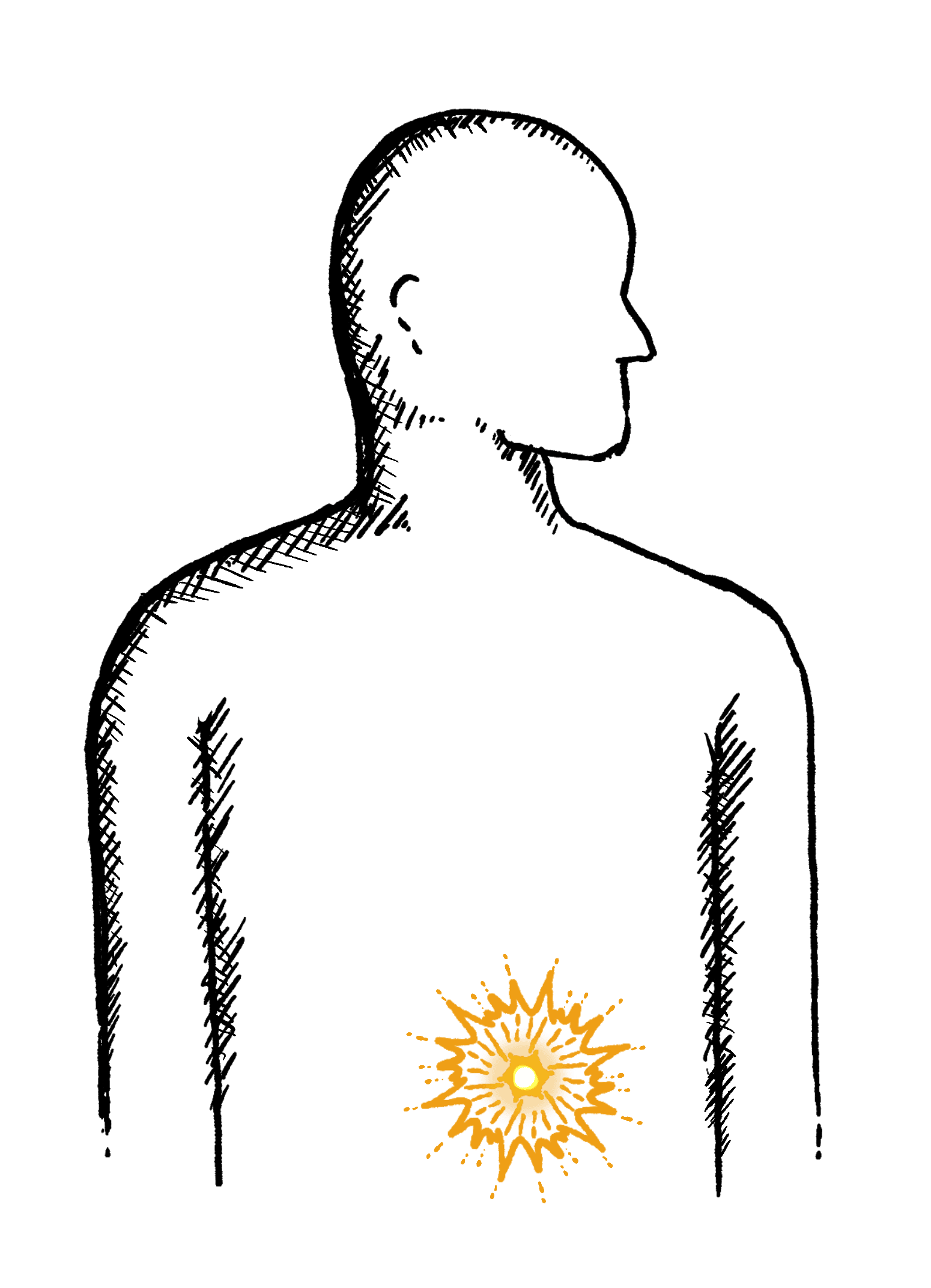
Difficulty going to the toilet, unusual stools, often with stomach ache or intestinal cramps, bloating, nausea or appetite loss
Heartburn
A burning pain in your chest, just behind your breastbone.
The pain is often worse after eating...
Regurgitation
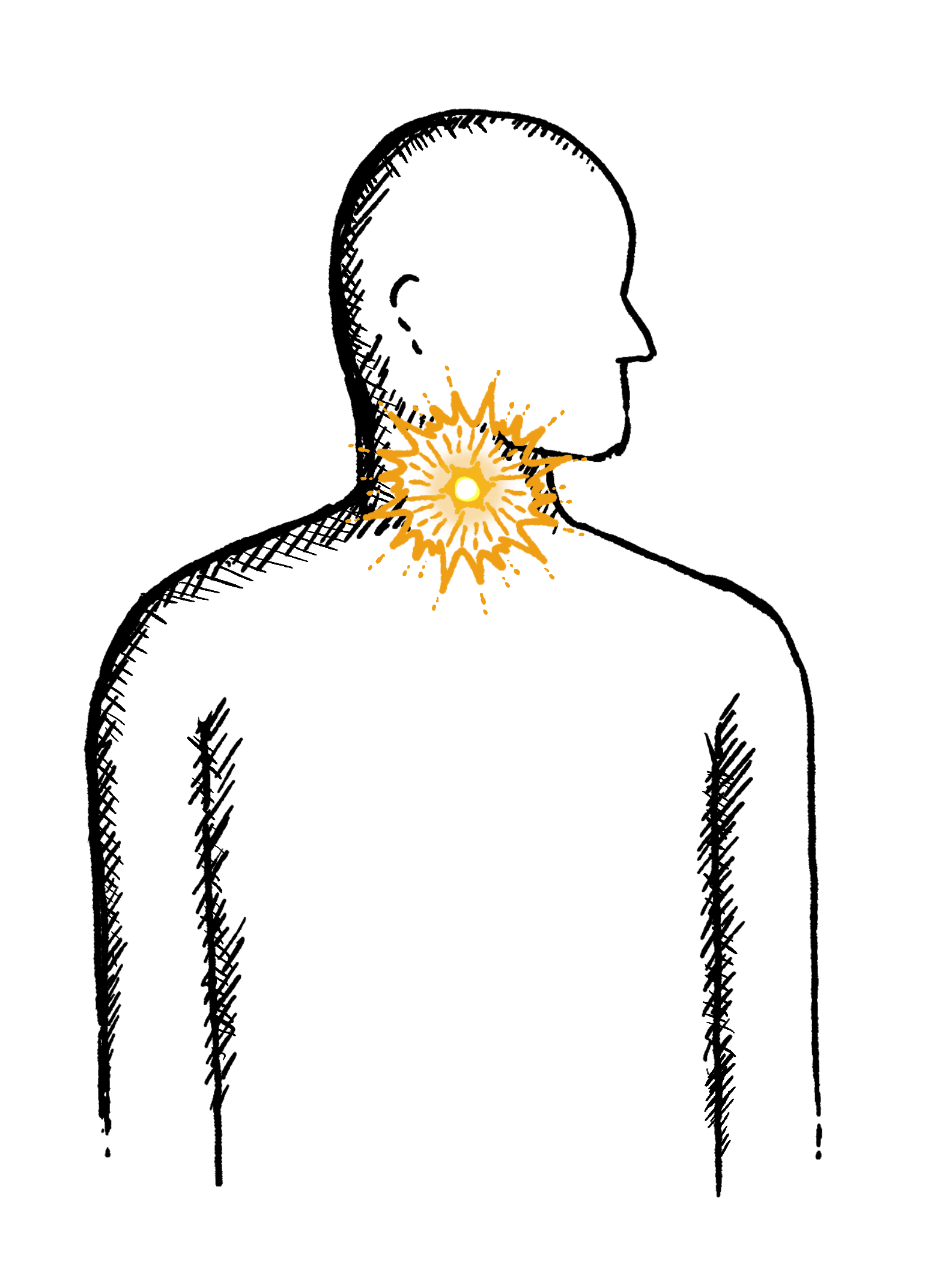
Bringing food or drink back up, difficulty swallowing, feeling that food or drink is stuck in your throat, horrible taste in your mouth
Swallowing Issues
Dysphagia - difficulty swallowing, feeling that food or drink is stuck in your throat, horrible taste in your mouth
Diarrhoea
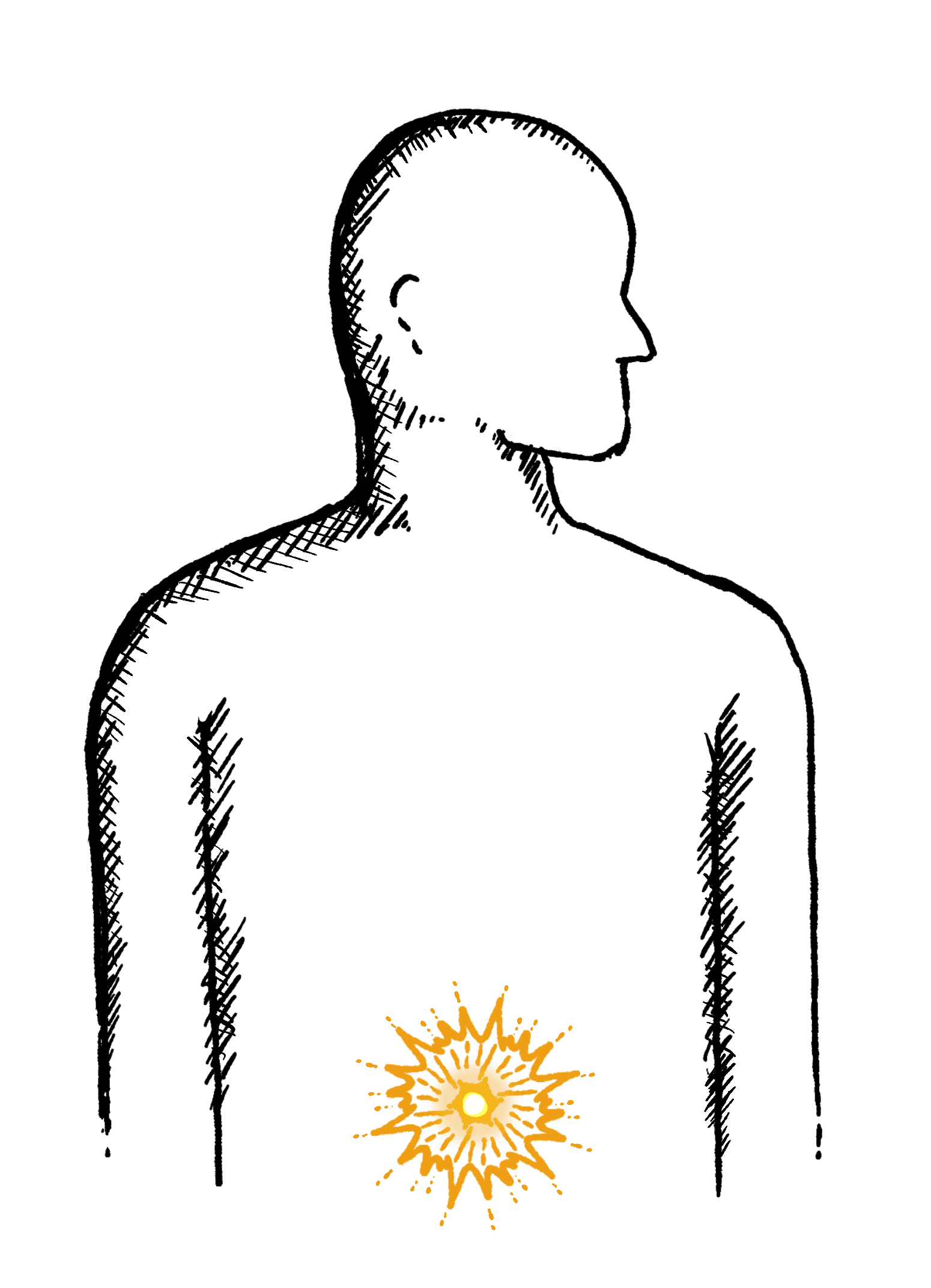
Loose or explosive stools, can’t get to a toilet in time
Abdominal Pain

Cramps; sharp or dull pain, Bloating, Excessive belching, Nausea or vomiting
Faecal Incontinence
Stools leak unexpectedly, Can’t get to a toilet in time
IBS
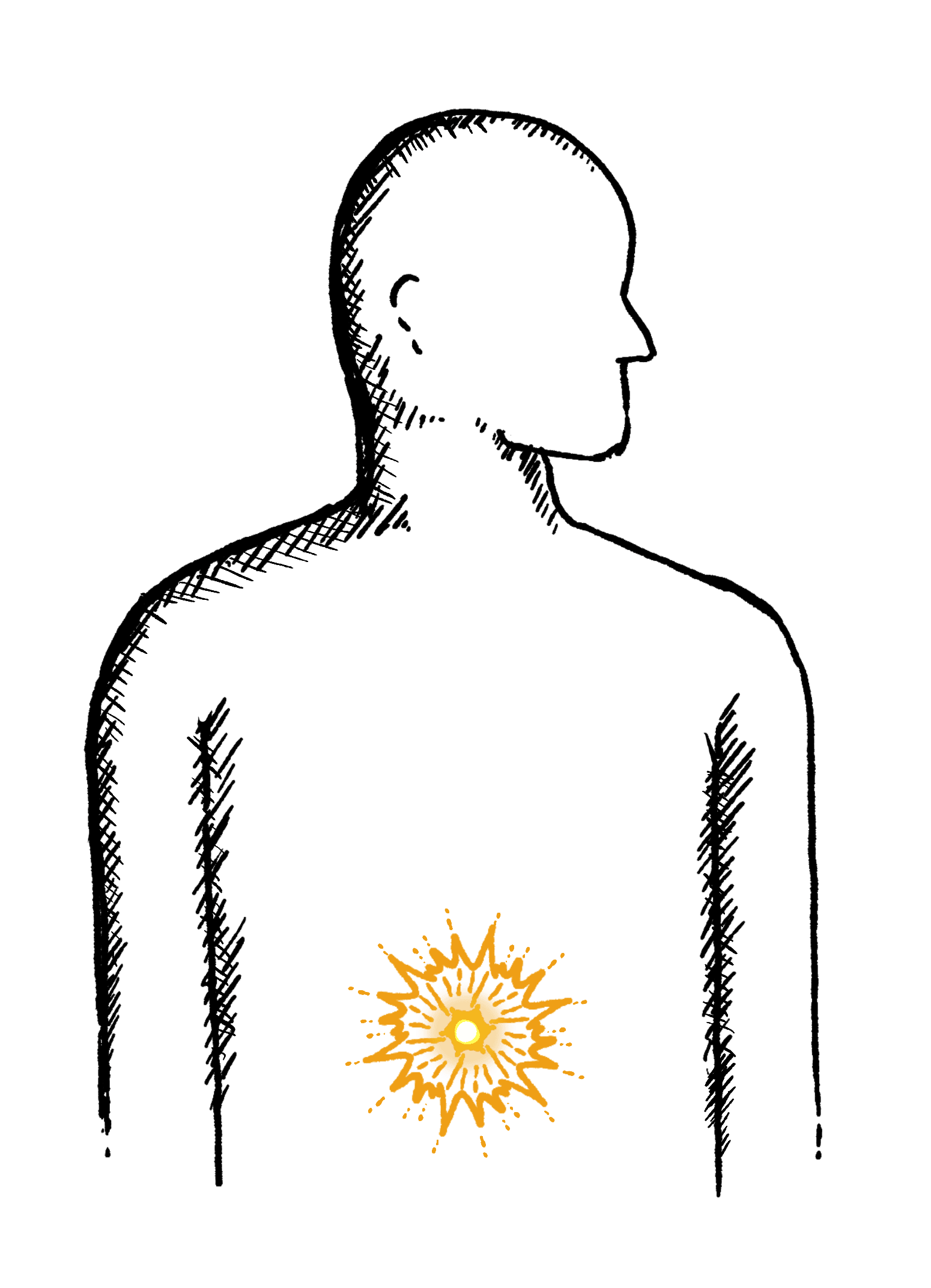
Abdominal pain or cramping, bloating, changes in bowel habits and urgency, gas
HEALTH ASSESSMENT
WHO WE ARE
HOW WE HELP YOU
LEARN
SUPPORT
FOLLOW US
© Copyright The Functional Gut Group 2026