
Bloating
Struggling with bloating? Here’s what you need to know to find relief.
ALL TEST ARE ACCREDITED & REGULATED BY



What is bloating?
When you’re bloated, your stomach or abdomen can feel full and uncomfortable, or even painful.
This bloating happens when your gastrointestinal tract contains too much gas or air. Bloating can be mild, or more severe, and may present as:
– A visibly distended or swollen abdomen
– Feeling very full and uncomfortable
– Feeling of tightness in the abdomen
– Excess gas – belching and/or flatulence
– Rumbling or gurgling
There are several causes of bloating, so it’s important to diagnose the cause of your bloating and find out why it’s happening to you.

Why does bloating happen?
Prolonged periods of bloating could indicate an underlying health problem, if so you should see your GP.
Possible causes can include:
Irritable bowel syndrome (IBS diagnosis)
Ulcerative colitis, a form of inflammatory bowel disease (IBD), where the inner lining of the large bowel is inflamed and develops ulcers
Crohn’s disease, the other form of IBD, where some parts of your colon are inflamed
Too much bacteria in your small intestine (called small intestinal bacterial overgrowth, or SIBO)
Gastroesophageal reflux disease
Food intolerances, especially lactose or fructose intolerance
Producing too much gas (dysbiosis and fermentation)
Weight gain
Stress or anxiety
Delays in your food and drink moving on from your stomach (called gastroparesis)
Eating too quickly, so that you swallow too much air (called aerophagia)
Diagnosing bloating
Feeling bloated is no fun, but once you know what’s going on you can start to manage your symptoms and the underlying causes.
Testing options:
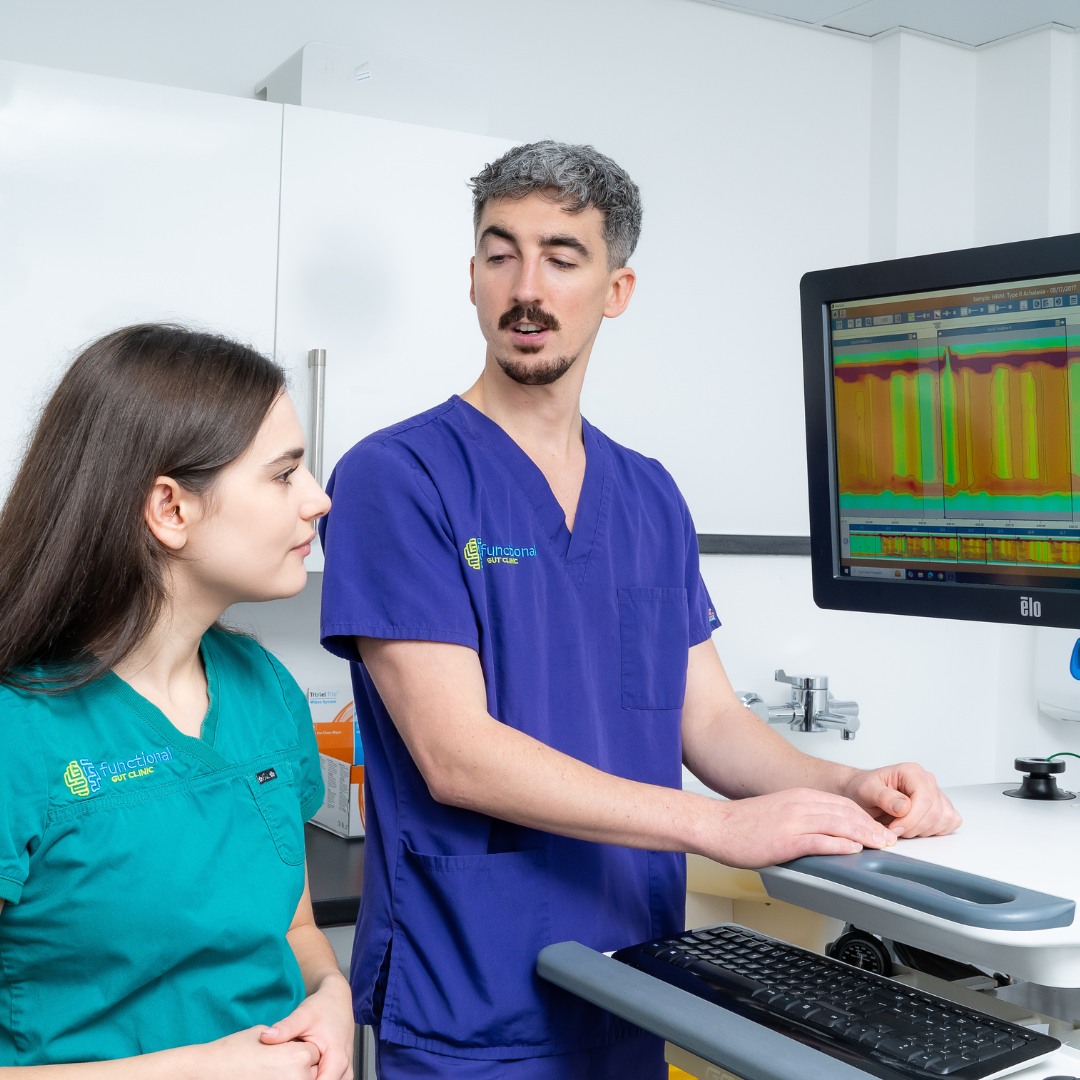
At the Functional Gut Clinic, we can run the following tests to diagnose the causes of bloating:
Gastric emptying test– which measures how quickly food leaves your stomach
Carbohydrate malabsorption breath test– which finds out if you have certain food intolerances (lactose or fructose)
Small intestinal bacterial overgrowth (SIBO) breath test– which finds out if you have an overgrowth of bacteria in your small intestine (called SIBO)
Oesophageal manometry– which measures the function of your oesophagus (food pipe)
24-hour pH impedance monitoring– which looks at whether you have any reflux
Colonic transit study-a non-invasive test which looks at how long it takes for faeces to pass through your bowl
Learn more about bloating

IBS in the Morning: Why Symptoms Are Worse After Waking
Waking up with IBS in the morning can cast a shadow over the whole day. Diarrhoea, urgency, and abdominal cramps can suddenly make you question how you’re going to get through everything you’ve got to do that day.
There’s a reason for this. Bowel activity naturally increases after waking. That’s why most people go to the bathroom in the morning. Unfortunately, for people with IBS, it can make mornings particularly troublesome.
Understanding why IBS is worse in the morning — including the effects of your circadian rhythm, the gastrocolic reflex, stress, and morning habits — can help you manage symptoms. If you're unsure whether IBS is responsible, learn what an IBS test involves and when further investigation might be necessary.
Why Is My IBS Worse in the Morning?
Your Circadian Rhythm and Bowel Motility
Your digestion follows a roughly 24-hour cycle, regulated by the body’s internal clock. Bowel activity slows down during sleep only to increase sharply after waking.
Most people do not notice the sudden increase in intestinal contractions. However, in people with IBS, it can feel like urgency and cramping.
Waking itself is a natural stimulus for bowel movements, but people with IBS may be more sensitive to these changes.
The Gastrocolic Reflex After Breakfast
Eating stimulates contractions in the colon to move existing waste along. Known as the gastrocolic reflex, it’s especially active in the morning and after meals.
The response can become exaggerated in IBS, causing urgent bowel movements shortly after breakfast. This, of course, does not mean breakfast has passed through the digestive system.
Morning Stress and the Gut-Brain Connection
Stress and anxiety can influence bowel activity. Given that the entire day is still ahead of you, it’s normal to feel slightly worried about work, travelling, or, in the case of IBS, finding a toilet. It adds another layer of anxiety, further exacerbating symptoms.
Coffee and Other Morning Triggers
Coffee is well-known to stimulate colonic activity. Alongside large or high-fat breakfasts, it can also trigger bowel movements, abdominal cramping, and bloating.
Common Morning IBS Symptoms
IBS Morning Diarrhoea and Urgency
Perhaps the most common morning IBS symptom is a sudden and urgent need to use the toilet. This doesn’t have to be a one-off. Some people may experience repeated bowel movements in quick succession, making simple tasks like commuting or work extremely difficult.
Morning Bloating and Abdominal Cramps
Bloating is also common in the morning, especially if you ate a heavy breakfast. Symptoms can feel better after a bowel movement, though this isn’t always the case.
Diarrhoea might cause urgency, but constipation may cause morning discomfort. So, even if you aren’t rushing to the toilet, symptoms can still worsen in the early hours.
How to Manage IBS Symptoms in the Morning
Adjust Your Breakfast Routine
Think carefully about what you eat before you walk out the door. Avoid rushing breakfast or eating large meals before leaving home. Eat smaller portions and maintain regular mealtimes, which may make your mornings more predictable.
Consider Reducing Morning Caffeine
Caffeine can stimulate the bowel and worsen urgency. By simply reducing your caffeine intake or switching to decaffeinated alternatives first thing, you may be able to reduce symptoms.
Manage Stress and Improve Sleep
If you find you’re stressed every morning, it’s best to give yourself extra time. Going to bed a little earlier can give you a better night’s sleep and leave your morning free to relax before heading to work. You might even consider some simple breathing exercises, a short walk, or gentle stretching.
Keep Track of Your Morning Symptoms
Keeping a symptom diary can help you identify patterns. Record when you wake up, what you eat for breakfast, your caffeine intake, and when you experience bowel movements.
Over several weeks, you might notice that certain foods, stressful mornings, or changes in your routine make symptoms worse. This may help give you a better idea of what to avoid or adjust.
When Should You Consider IBS Testing?
Morning IBS symptoms aren't necessarily a sign of IBS. Other digestive conditions can cause similar problems, which is why it's important to investigate persistent symptoms.
There's no single test that confirms IBS. Instead, doctors assess your symptoms and may recommend blood tests to rule out other conditions like coeliac disease or inflammatory disorders. Stool tests may also be necessary.
If you experience unexplained weight loss, blood in your stool, or persistent and worsening symptoms, seek medical advice promptly.
At The Functional Gut Clinic, we offer specialist gastrointestinal testing to help investigate digestive symptoms and identify potential underlying causes.
Explore our IBS services to learn more about the available investigations and take the next step towards managing your morning symptoms.
Read the next interesting article: Still Not Empty? Incomplete Emptying and Straining with IBS-C

Hear from people we’ve helped, just like you.
"Very professional while welcoming and friendly"
"The manner and demeanour of all staff from reception to people carrying out the test was very professional but welcoming and friendly. Atmosphere is very relaxed and all instructions clear and concise."
London Patient

"Highly recommend this"
"Thanks to Dr Hobson and everyone at the Functional Gut Clinic. The whole team is very kind and generous and they are doing things that are cutting edge and they actually get results."
Manchester Patient
"Highly recommend this"
"After stopping my lansoprazole, every time I had a warm drink, I could feel it burn all the way down to my stomach. Thank you to Sam for making me feel at ease." - Manchester Patient
"My experience could not be better"
"Pleasant and knowledgeable staff that made the experience more enjoyable than it should be!" - London Patient
"Very friendly and knowledgeable"
"An excellent service from beginning to end. I would recommend to anyone who was considering having testing done. Very friendly and knowledgeable!" - Manchester Patient
"Very kind and helpful"
"It was also great to have time to talk to the clinicians – very important when you have problems. Reception staff also very kind and helpful." - Manchester Patient
Are you experiencing any other symptoms
Symptoms are often closely connected. Find out more below.
Reflux

Burning mid-chest, worse when bending or lying down
Constipation
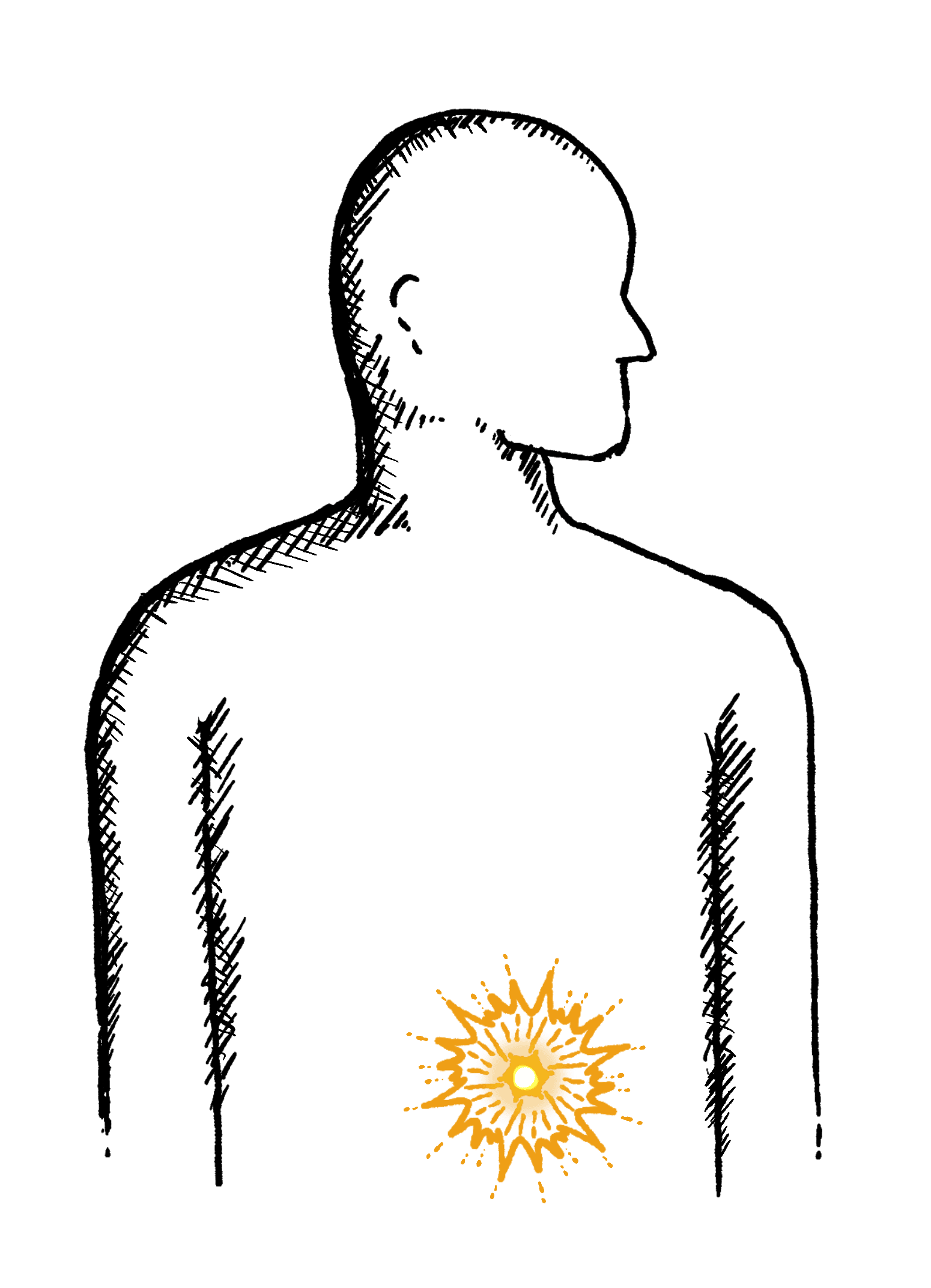
Difficulty going to the toilet, unusual stools, often with stomach ache or intestinal cramps, bloating, nausea or appetite loss
Heartburn
A burning pain in your chest, just behind your breastbone.
The pain is often worse after eating...
Regurgitation
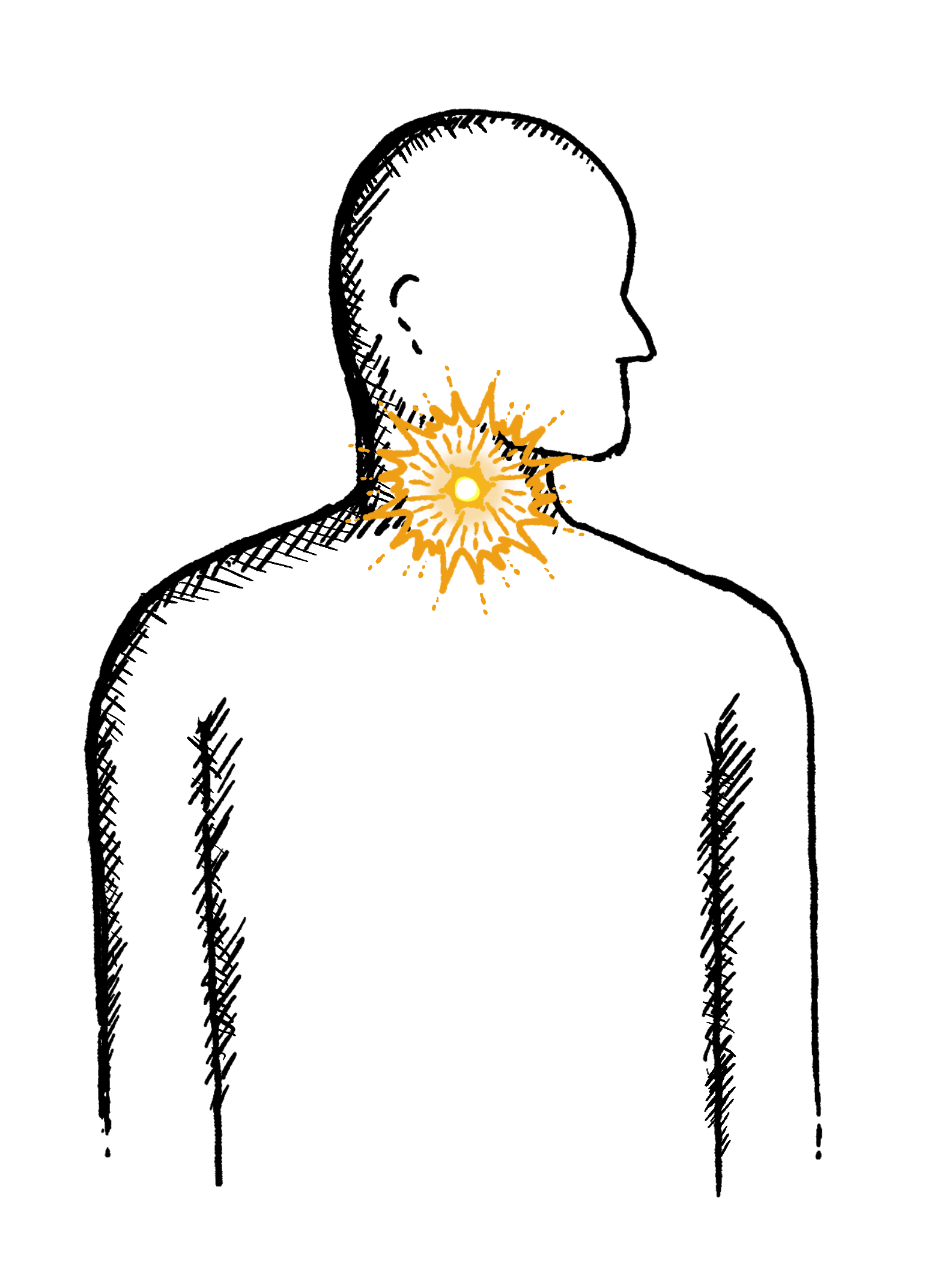
Bringing food or drink back up, difficulty swallowing, feeling that food or drink is stuck in your throat, horrible taste in your mouth
Swallowing Issues
Dysphagia - difficulty swallowing, feeling that food or drink is stuck in your throat, horrible taste in your mouth
Diarrhoea
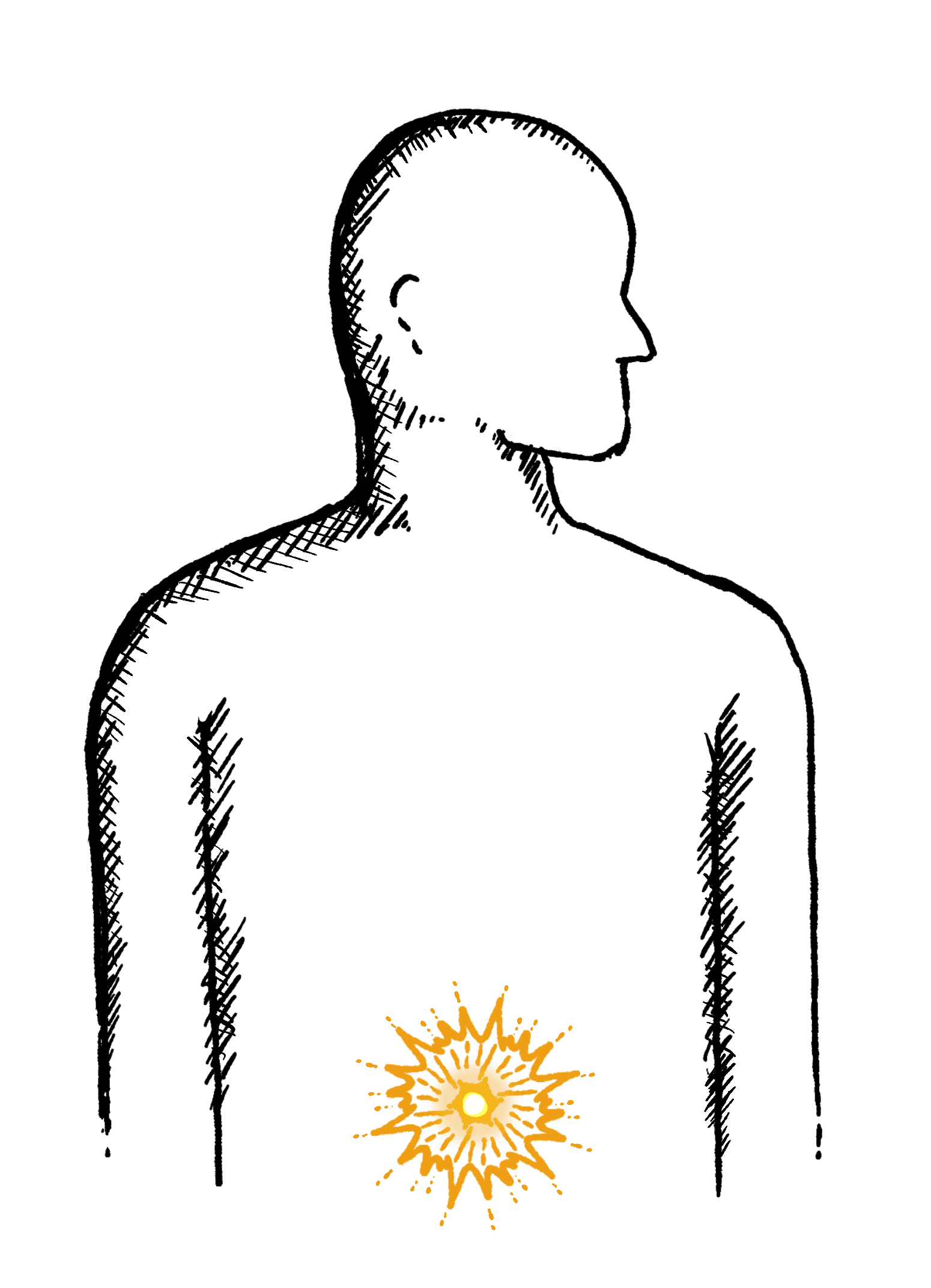
Loose or explosive stools, can’t get to a toilet in time
Abdominal Pain

Cramps; sharp or dull pain, Bloating, Excessive belching, Nausea or vomiting
Faecal Incontinence
Stools leak unexpectedly, Can’t get to a toilet in time
IBS

Abdominal pain or cramping, bloating, changes in bowel habits and urgency, gas
HEALTH ASSESSMENT
WHO WE ARE
HOW WE HELP YOU
LEARN
SUPPORT
FOLLOW US
© Copyright The Functional Gut Group 2026