
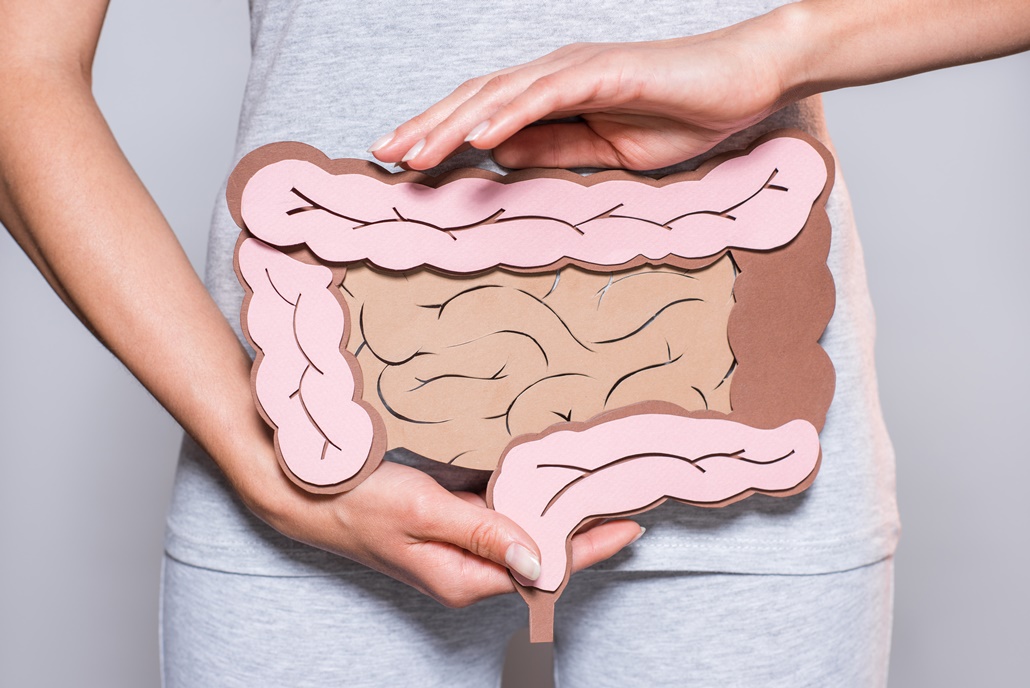
The Gut-Heart Connection: How Your Microbiome Affects Cholesterol and Heart Health
Heart health is about more than watching your weight, lowering your blood pressure, or getting to the gym. Your diet does not just affect cholesterol levels and blood pressure. It also shapes your gut microbiome: the community of bacteria and other microorganisms living in your digestive system.
Emerging research suggests that the gut microbiome can influence heart health in several ways, including cholesterol metabolism, inflammation, blood vessel function, and the production of compounds linked to cardiovascular risk.
This relationship is known as the gut-heart axis.
What is the Gut-Heart Axis?
The gut-heart axis is a two-way relationship between the digestive system, gut bacteria, metabolism, inflammation, and cardiovascular health.
The gut microbiome contains trillions of bacteria and microorganisms from hundreds of different species. You can measure it with a gut microbiome test.
Mostly, these bacteria break down food. However, they also release certain compounds that enter the bloodstream, supporting heart health.
While the heart is still primarily affected by diet, exercise, smoking, blood pressure, diabetes, and genetics, this axis offers another alternative way to manage heart conditions.
How Gut Bacteria Can Affect Cholesterol
Cholesterol is excreted from the body as bile acids. Gut bacteria can influence how bile acids are produced and recycled, indirectly influencing cholesterol balance.
But that’s only one mechanism.
Gut bacteria also produce short-chain fatty acids (SCFAs) when they ferment fibre. These can support metabolic and inflammatory health, reducing overall cholesterol levels. If gut bacteria levels become unbalanced, it can affect these vital services. Bacteria may no longer produce SCFAs at sufficient levels, or bile acid metabolism may become disrupted.
TMAO, Gut Bacteria, and Heart Disease Risk
TMAO, or trimethylamine N-oxide, is perhaps the best example of how gut bacteria influence cardiovascular health.
Gut bacteria help turn certain food nutrients into TMAO. In a 2013 New England Journal of Medicine study, TMAO levels rose after participants consumed phosphatidylcholine, fell after antibiotics, and returned once antibiotics were stopped, suggesting gut bacteria play a direct role in TMAO production.
Higher TMAO levels have been linked with increased cardiovascular risk. The same study found that elevated TMAO predicted a higher risk of major adverse cardiovascular events, while a meta-analysis of prospective cohort studies found that higher circulating TMAO was associated with increased risk of cardiovascular events and all-cause mortality.
TMAO may affect the heart through clotting and blood vessel health, but it is not the whole story. A 2016 Cell study found that gut microbe-derived TMAO increased platelet reactivity and thrombosis potential. However, TMAO levels are also influenced by kidney function, diet quality, microbiome composition, and wider health status.
Inflammation, Blood Vessels, and the Microbiome
Inflammation matters a lot when it comes to heart disease. Chronic low-grade inflammation can harden arteries (atherosclerosis), leading to raised blood pressure.
Imbalances in gut bacteria affect immune signalling and inflammatory pathways. In severe cases, microbial metabolites can weaken the gut barrier, leaching into the bloodstream and causing persistent inflammation. Other metabolites are linked to blood vessel dysfunction and plaque formation, which are both risk factors for heart disease.
What Foods Support Both Gut and Heart Health?
You don’t need to eat solely for your gut. Many of the same foods that benefit your heart also help your gut. The only exception is fermented foods, which contain live bacteria. They’re especially beneficial for supporting gut bacteria.
Aim for the following diet:
High-fibre foods: oats, beans, lentils, vegetables, fruit, wholegrains, nuts, and seeds.
Fermented foods: yoghurt, kefir, sauerkraut, kimchi, and other fermented options, where appropriate.
Polyphenol-rich foods: berries, olive oil, herbs, spices, cocoa, tea, and colourful plants.
Unsaturated fats: olive oil, nuts, seeds, avocado, and oily fish.
Lower intake of ultra-processed foods, excess saturated fat, processed meat, and high-salt foods.
If you want to better understand what is happening in your own gut, The Functional Gut Clinic’s Microbiome Clinic offers advanced gut microbiome testing, expert interpretation, and tailored guidance to help you make changes based on your results.
Read the next interesting article: Gut Microbiome and Sleep: How Your Gut Bacteria Affect How Well You Rest


