
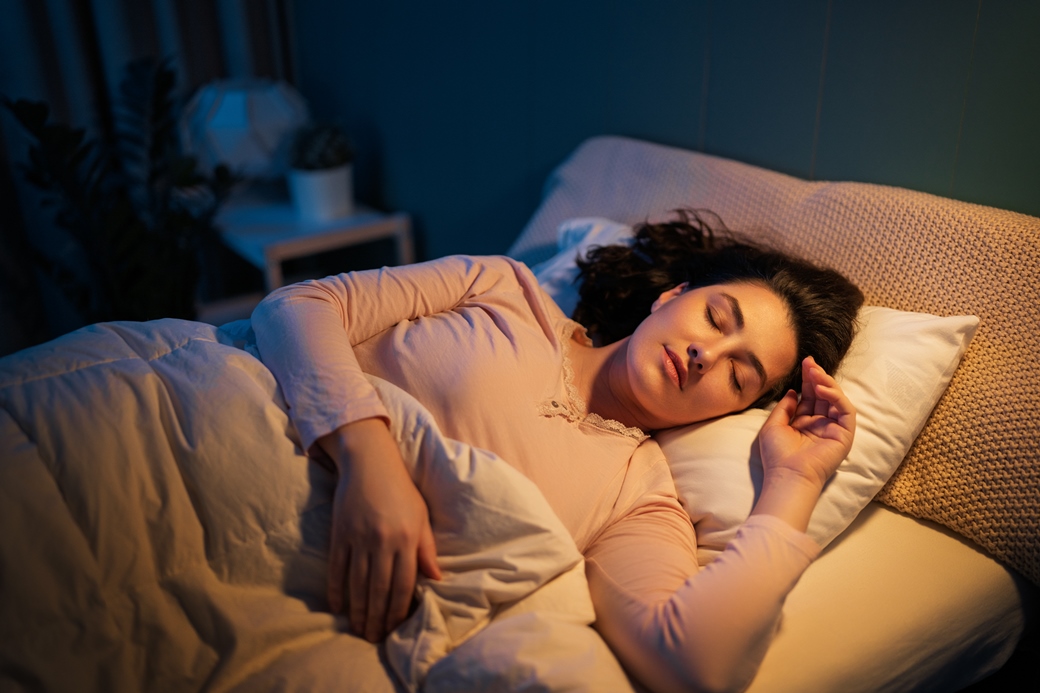
Gut Microbiome and Sleep: Does Gut Health Affect Rest?
Sleep can be elusive these days. Screens, caffeine, stress, hormones — everything seems set on disrupting your seven to eight hours. But there’s another factor that’s talked about much less often: your gut bacteria.
Inside your gut is a community of trillions of bacteria, fungi, viruses, and other microorganisms known as the gut microbiome. These microbes communicate with your brain via the gut-brain axis and may influence sleep quality, circadian rhythm, inflammation, and even insomnia risk.
So, if you’ve noticed poor sleep after eating the wrong foods, your gut may be part of the explanation. Thankfully, it may also be one route to a better night’s sleep.
Does Gut Health Affect Sleep?
In short, yes.
Gut health is a hidden factor in sleep. Evidence suggests that your gut microbiome composition plays a significant role in sleep quality via the gut-brain axis. But the reverse is also true. The worse you sleep, the more it can damage your gut microbiome.
How Gut Bacteria May Influence Sleep
There isn’t a single way that gut bacteria influence sleep. Instead, gut bacteria have several indirect effects that can help you sleep.
Gut bacteria produce short-chain fatty acids that may affect sleep through inflammation and brain signalling. These compounds are made when gut bacteria ferment fibre, and a recent review suggests they may influence sleep by supporting the gut-brain axis, immune balance, and nervous system activity.
The microbiome may also influence tryptophan, serotonin, and melatonin pathways. Tryptophan is used to make serotonin and melatonin, both of which are involved in sleep-wake regulation, and research suggests gut bacteria may affect how this pathway functions.
Gut bacteria may affect calming neurotransmitters such as GABA, but the evidence is still developing. Some microbes can produce or influence GABA and other signalling molecules linked with relaxation and sleep, although current research suggests the microbiome is one part of a wider picture that also includes stress, light exposure, diet, inflammation, and circadian rhythm.
The Gut Microbiome and Insomnia
But what about insomnia?
This is a persistent inability to get to sleep each night. Many individuals with insomnia try everything to get a good night’s sleep, from sleep hygiene to melatonin.
The underlying problem might be in their gut.
A 2025 systematic review found specific gut microbiota alterations in people with insomnia, including lower levels of specific microorganisms.
That said, insomnia is rarely caused by a single problem. It’s influenced by stress, anxiety, light exposure, caffeine, pain, hormones, and much more.
How Poor Sleep Can Affect Your Gut
Poor sleep can affect your gut in several ways.
First, it can interfere with your circadian rhythm, leading to changes in digestion and microbial activity. While a single night of disturbed sleep is unlikely to make a difference, persistent disruption may harm beneficial bacteria.
Secondly, sleep-deprived people tend to prefer more unhealthy foods. It can lead to later-night eating and ultra-processed foods, which disrupt the gut microbiome.
Lifestyle Habits That Support Your Gut and Sleep
You don’t have to overhaul your entire lifestyle. But a few sensible changes can make a big difference. Try to include or avoid these foods:
High-fibre foods: oats, beans, lentils, vegetables, fruit, wholegrains, nuts, and seeds.
Prebiotic foods: onions, garlic, leeks, asparagus, bananas, oats, and legumes.
Fermented foods: yoghurt, kefir, kimchi, sauerkraut, and fermented vegetables.
Polyphenol-rich foods: berries, cocoa, olive oil, herbs, spices, tea, and colourful plants.
Magnesium-containing foods: nuts, seeds, leafy greens, legumes, and wholegrains.
Avoid heavy, high-fat, spicy, or very late meals if they worsen reflux, bloating, or discomfort.
Can Probiotics Help You Sleep?
Some research says yes.
Probiotics contain live bacteria. They’re useful if your gut microbiome was recently disrupted. It might be a useful tool for people with insomnia; however, it shouldn’t be a first-line treatment.
Further research is needed to understand the size of the effect, the specific strains needed, and how long it should be taken for. But there’s no harm in adding a probiotic supplement or fermented food to your diet to help aid your gut microbiome.
Take a Closer Look at Your Gut Health
If poor sleep comes with bloating, irregular digestion, food reactions, or ongoing gut symptoms, it may be worth looking deeper.
The Functional Gut Clinic’s Microbiome Clinic offers advanced gut microbiome testing, expert interpretation, and tailored guidance to help you better understand your gut and make changes based on your results.
You may find the next article interesting to read: How Your Gut Bacteria Make Vitamins: The Microbiome's Role in Nutrient Production


